How Much Does It Cost to Start a Drone Business?

Thinking about starting your own drone business? It’s a pretty exciting field right now, with lots of companies using drones for all sorts of things. But before you buy a fancy drone, you need to figure out the drone business startup costs. It’s not just about the drone itself; there are a bunch of other things to consider, from getting licensed to making sure you have the right insurance. Let’s break down what you’ll likely need to spend to get your drone venture off the ground.
Key Takeaways
- The initial drone business startup costs can vary a lot, from around $2,500 for basic photography to over $25,000 for specialized services like mapping or inspections.
- Essential equipment includes the drone itself, extra batteries, and potentially specialized sensors like thermal cameras or RTK modules depending on your niche.
- You’ll need to invest in software for flight planning, data processing, and editing, along with budgeting for ongoing maintenance and consumables.
- Legal requirements are non-negotiable and include obtaining your FAA Part 107 Remote Pilot Certificate, securing liability insurance, and setting up your business structure.
- Don’t forget operational costs like training, marketing, website setup, and creating a solid business plan with realistic pricing to ensure profitability.
Understanding Drone Business Startup Costs
So, you’re thinking about starting a drone company? That’s awesome! But before you start dreaming about flying high, let’s talk about the money side of things. Figuring out how much does a drone company cost to start is the first big hurdle. It’s not just about buying a drone; there’s a whole lot more to consider. This whole drone business investment guide is here to break it down.
Defining Your Niche and Service Offerings
What exactly do you want your drone business to do? This is the most important question. Are you going to be the go-to for stunning aerial photos for real estate agents, or are you looking at more technical work like mapping construction sites or inspecting wind turbines? The niche you pick really shapes your startup costs. For example, starting a drone photography business expenses will look very different from the cost of setting up a drone delivery service.
- Real Estate Photography/Videography: Generally lower entry cost, focusing on good quality drones and cameras.
- Mapping & Surveying: Requires more precise drones (like RTK/PPK enabled), specialized software, and potentially more training.
- Industrial Inspections (e.g., roofs, power lines, bridges): Needs drones with advanced sensors, like thermal cameras, and robust safety protocols.
- Agriculture: Drones for crop monitoring, spraying, or analysis.
- Cinematic Filming: High-end drones and skilled pilots for commercials or film.
Estimating Initial Investment Ranges by Specialization
Your chosen niche directly impacts how much cash you’ll need upfront. A simple photography business might get off the ground for a few thousand dollars, but more complex operations can run into tens or even hundreds of thousands. It’s a wide spectrum.
| Service Specialization | Estimated Startup Cost Range | Key Cost Drivers |
|---|---|---|
| Basic Photography/Videography | $3,000 – $10,000 | Drone, camera, basic software, insurance |
| Mapping & Surveying | $8,000 – $25,000 | RTK/PPK drone, processing software, training, vehicle |
| Industrial Inspections | $7,500 – $20,000 | Thermal/zoom payloads, specialized drones, training |
| Drone Delivery Service | $75,000 – $250,000+ | Fleet, advanced software, regulatory compliance |
Remember, these are just starting points. The actual cost can vary based on the specific equipment brands you choose, whether you buy new or used, and the level of service you aim to provide from day one. Some sources suggest that launching a drone service could require a total commitment of around $909,000, with a significant portion allocated to operating cash until profitability. This highlights how large-scale operations can demand substantial funding. This is a big number and shows the difference between a small operation and a large one.
The Impact of Equipment and Software on Overall Costs
Let’s be real, the gear is a huge part of the expense. You can’t do much without a reliable drone, and the type you need depends entirely on your services. Beyond the drone itself, think about sensors, extra batteries, charging stations, and rugged cases. Then there’s the software side of things. You’ll need tools for flight planning, processing the data you collect, and maybe even editing videos. For a basic setup, you might spend around $3,000 to $5,000 on equipment and software, but this can climb quickly. Starting lean is possible, but advanced services demand advanced tools, which cost more.
Essential Equipment for Your Drone Business
Alright, let’s talk about the gear you’ll actually need to get your drone business off the ground. This isn’t just about buying the coolest looking drone; it’s about picking the right tools for the job you plan to do. Think of it like a carpenter needing a hammer and saw – you need specific tools for specific tasks.
Choosing the Right Drone for Your Services
The drone itself is your main workhorse. What you choose really depends on your niche. If you’re just starting out and focusing on something like real estate photography or simple event coverage, you might not need the most expensive, high-tech model. A solid prosumer drone, like a DJI Mavic 3 Classic or an Autel Evo Lite+, could be a good starting point. These usually run between $1,200 and $1,800 and offer decent camera quality and stability. However, if you’re aiming for more complex jobs like detailed mapping, industrial inspections, or high-end cinematic work, you’ll need to step up. For these, you’re looking at professional-grade drones, often with specialized features like RTK (Real-Time Kinematic) for super accurate mapping, or advanced zoom and thermal cameras. These can easily cost anywhere from $5,000 to $20,000 or even more. It’s tempting to go for the top-of-the-line, but start with what your specific services demand. You can always upgrade later as your business grows and your budget allows. Remember to factor in extra batteries – you don’t want to be cutting shoots short because you ran out of juice.
Selecting Specialized Sensors and Payloads
Beyond the drone itself, you might need extra ‘eyes’ or tools. These are called payloads or sensors, and they’re what allow you to do specialized work. For instance, if you’re getting into roof inspections, a thermal camera is almost a must-have to spot heat loss or water damage. For detailed land surveying or creating 3D models, a LiDAR sensor or a drone equipped with RTK/PPK capabilities will give you that survey-grade accuracy. These specialized sensors can add a significant chunk to your startup costs, sometimes tens of thousands of dollars. It’s important to research which sensors are truly necessary for the services you’re advertising. Don’t buy a $15,000 LiDAR sensor if your clients only need pretty aerial shots of their property. Think about what your target clients are asking for and what will make you stand out.
Essential Accessories for Operations and Maintenance
Don’t forget the little things that keep your operation running smoothly. You’ll need more than just the drone. Think about:
- Extra Batteries: Seriously, get more than you think you need. Flight times are limited, and you don’t want to be waiting around.
- High-Quality Memory Cards: Fast and reliable cards are important for capturing high-resolution footage without issues.
- Durable Carrying Case: Protect your investment during transport. A good case prevents damage and keeps everything organized.
- Propellers: It’s wise to have spares. Accidents happen, and a broken propeller can ground you.
- Cleaning and Maintenance Kit: Keeping your drone clean and well-maintained will extend its life and ensure it performs reliably.
Investing in quality accessories might seem like an added expense, but they directly impact your efficiency, the quality of your work, and the longevity of your equipment. It’s about being prepared for different scenarios and ensuring you can complete jobs without interruption. For example, having a reliable charging hub can significantly cut down downtime between flights.
Finally, consider renting specialized equipment before committing to a purchase, especially if you’re just testing the waters with a new service. This can be a smart way to gauge demand and learn the technology without a huge upfront financial commitment. You can find rental options for drones and sensors, which can be a lifesaver when starting out.
Software and Technology Investments
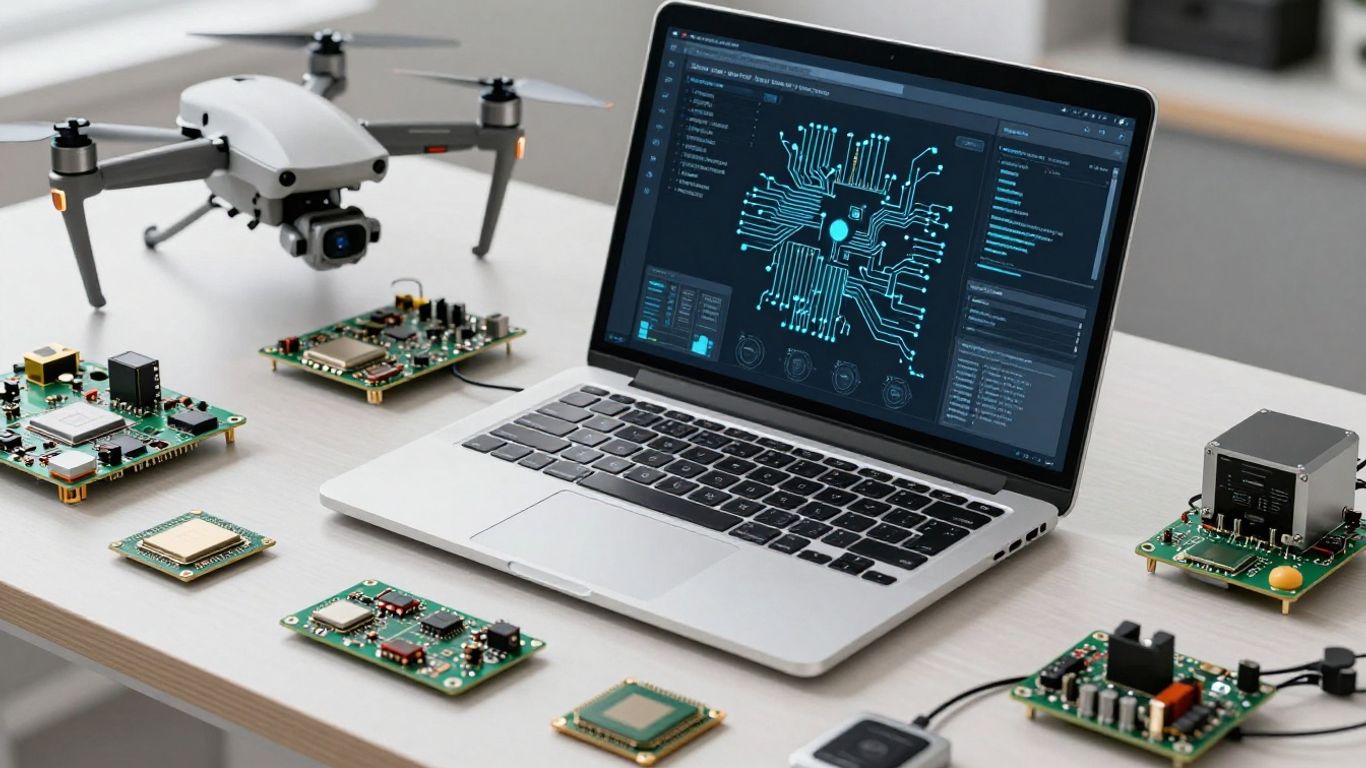
Beyond the drone itself, you’ll need a solid software stack to make your business run smoothly. This isn’t just about fancy editing tools; it’s about the nuts and bolts of planning flights, processing data, and staying compliant. Ignoring these tech investments can seriously limit what you can offer and how efficiently you operate.
Flight Planning and Data Processing Software
This is where the magic happens after the drone lands. You need software that can take the raw data your drone collects and turn it into something usable for clients. For mapping and surveying, this means stitching together hundreds of photos into a precise map or 3D model. For inspections, it might involve organizing and annotating images.
- Flight Planning: Apps that help you pre-program flight paths for consistent coverage and safety.
- Data Processing: Software that processes images into orthomosaics, digital elevation models, or 3D point clouds.
- Analysis Tools: Features for measuring distances, areas, or volumes within the processed data.
Costs here can really vary. Some professional-grade mapping software, like Pix4D, can run upwards of $12,000 annually for a couple of licenses, which is a significant chunk of change. On the other hand, there are more budget-friendly options available, with some priced around $828 per year. It’s worth looking into what your specific services will require before committing to a pricey subscription. You might even find that some initial data processing can be handled through cloud services, delaying a large upfront purchase.
Editing and Post-Production Tools
If your business involves creating visual content, like real estate videos or marketing materials, you’ll need editing software. This is separate from the data processing software used for mapping. Think Adobe Premiere Pro, Final Cut Pro, or DaVinci Resolve. The cost here can range from free (for basic edits) to several hundred dollars for professional suites, often with subscription models.
Compliance and Flight Logging Software
Staying on the right side of aviation regulations is non-negotiable. You’ll need software to log your flights, track maintenance, and manage pilot records. This helps demonstrate compliance to the FAA and provides a clear history of your operations. Some platforms offer integrated solutions that combine flight planning with logging, which can simplify your workflow. Keeping detailed records is also vital for insurance purposes and can help you manage your operational costs more effectively.
The initial investment in software might seem high, but it’s an investment in your business’s capability and credibility. Choosing the right tools from the start can prevent costly mistakes and streamline your workflow, allowing you to focus on client satisfaction and business growth. Don’t just pick the cheapest option; consider the long-term value and how the software supports your specific service offerings.
Legal, Licensing, and Insurance Requirements
Getting your drone business off the ground means more than just buying a drone and picking a service. You’ve got to cover the legal bases, get the right certifications, and make sure you’re protected. It might not be the most exciting part, but it’s super important.
Obtaining Your FAA Part 107 Remote Pilot Certificate
If you plan to fly drones for any kind of commercial work in the U.S., you absolutely need your FAA Part 107 Remote Pilot Certificate. This is non-negotiable. It means you’ve passed a test showing you know the rules of the sky, how to operate safely, and understand weather patterns. You have to be at least 16 years old to even take the test.
- Study the material: There are plenty of online courses and study guides to help you prepare for the exam.
- Schedule and pass the exam: You’ll take this at an FAA-approved testing center.
- Complete TSA background check: This is part of the process after you pass the test.
Once you have this certificate, you’re legally allowed to fly for money. Without it, you’re looking at fines and other trouble. It’s also good to know that you’ll need to take a recurrent online exam every two years to keep your certification current, especially with how rules can change, like those allowing flying a drone at night.
Understanding Liability and Hull Insurance Needs
Accidents happen, and when they do, you want to be ready. Insurance isn’t just a good idea; it’s often a requirement from clients. You’ll likely need two main types:
- General Liability Insurance: This covers damage to other people’s property or injuries to people. Most clients, especially businesses, will want to see proof that you have at least $1 million in coverage. The cost can vary, but think anywhere from $500 to $2,000 a year, depending on what you do.
- Hull Insurance: This is like car insurance for your drone. It covers your actual drone and equipment if it gets damaged, stolen, or breaks down. The premium is usually a percentage of your gear’s value.
Many clients will ask for proof of insurance before they even consider hiring you. It’s a standard business practice, especially for professional jobs.
Some specialized services might also need professional liability insurance, which protects you if a client claims your work (like inaccurate mapping data) caused them financial harm. Shopping around with drone-specific insurers can often get you better coverage for your needs.
Business Structure and Legal Documentation
Deciding on your business structure is another key step. While you can technically start as a sole proprietor, many drone operators choose to form a Limited Liability Company (LLC). An LLC helps protect your personal assets if your business gets sued. It also makes you look more professional to potential clients.
- Register your business: This involves filing paperwork with your state.
- Get an EIN: This is your Employer Identification Number from the IRS, which you’ll need to open a business bank account.
- Draft contracts: Have a solid service agreement and liability waiver ready for clients. This clarifies expectations and protects you.
Setting up your business correctly from the start saves a lot of headaches down the road. It shows you’re serious about your venture and ready to operate professionally.
Operational and Marketing Expenses
Starting a drone business isn’t just about buying the gear and software. You’ve also got to think about the ongoing costs of running the show and getting the word out. These operational and marketing expenses can add up, so it’s smart to plan for them.
Training and Skill Development Costs
Even if you’re already a whiz with drones, continuous learning is key. The technology changes fast, and new regulations pop up. Investing in advanced training, like specialized sensor operation or complex data analysis, can set you apart. Think about courses for things like thermal imaging, photogrammetry, or even advanced flight maneuvers if your niche requires it. These aren’t always cheap, but they can lead to higher-paying jobs and a better reputation.
- Advanced Pilot Certifications: Beyond the basic Part 107, specialized ratings can open doors.
- Software Proficiency Courses: Mastering new data processing or editing tools is a must.
- Safety and Compliance Workshops: Staying updated on regulations is non-negotiable.
Marketing, Branding, and Website Setup
People need to know you exist! Your initial marketing budget will likely be around $20,000 for the first year. This covers a lot of ground. You’ll want a professional website that clearly shows what services you offer and why clients should choose you. Branding is more than just a logo; it’s about how you present your business. This might include creating marketing materials, running targeted online ads, and attending industry events. Getting your first few clients can be tough, and the cost to acquire each one might be around $500 initially. Focusing on direct outreach to potential clients in fields like construction or real estate can be more effective than broad advertising campaigns.
- Website design and hosting
- Logo and brand identity development
- Digital advertising (e.g., Google Ads, social media)
- Print materials (business cards, brochures)
- Networking and event participation
Building a strong online presence and a clear brand message is vital. It helps potential clients find you and understand the value you bring, especially in competitive markets. Don’t underestimate the power of good marketing to attract those first crucial customers.
Ongoing Maintenance and Consumable Costs
Your drone and its equipment need regular care. Think of it like maintaining a car. You’ll have routine maintenance checks, battery replacements, and repairs if something breaks. Consumables like propellers, landing gear, and even cleaning supplies are also part of the picture. For a drone service business, these consumables can account for a significant chunk of your revenue, potentially around 60% in the early stages. Keeping your gear in top shape means fewer flight delays and happier clients. It’s also important to factor in the cost of drone insurance, which protects your investment and covers potential liabilities.
- Drone Maintenance: Regular inspections, cleaning, and calibration.
- Parts Replacement: Propellers, batteries, landing gear, and other wear-and-tear items.
- Software Updates: Keeping flight control and data processing software current.
- Repair Costs: Budget for unexpected damage or component failures.
- Consumables: Cleaning solutions, lens cloths, memory cards.
Financial Planning for Drone Business Launch
Okay, so you’ve got the drone, you know what you want to do with it, and you’ve figured out the legal stuff. Now comes the part that can make or break your whole operation: the money. Proper financial planning is absolutely key to getting your drone service off the ground and keeping it flying. It’s not just about having enough cash to buy a drone; it’s about having a solid plan for everything from your first client to your first profit. This is where the real budgeting for a new drone service happens.
Developing a Comprehensive Business Plan
Think of your business plan as your roadmap. It’s where you lay out exactly what you’re doing, who you’re doing it for, and how you’re going to make money. It forces you to think through every detail, from your target clients to your marketing strategy. A good plan also includes realistic financial projections. You need to estimate your startup costs, your ongoing expenses, and how much revenue you expect to bring in. This isn’t just busywork; it’s what investors or lenders will want to see, and it’s your own guide to staying on track.
Here’s a quick look at what goes into it:
- Executive Summary: A brief overview of your entire plan.
- Company Description: What your business is and what it does.
- Market Analysis: Who are your customers and competitors?
- Organization and Management: Who’s running the show?
- Service or Product Line: What exactly are you selling?
- Marketing and Sales Strategy: How will you get customers?
- Financial Projections: The numbers – startup costs, revenue forecasts, profit and loss.
A well-structured business plan helps you anticipate challenges and opportunities. It’s your tool for making informed decisions, not just reacting to what happens.
Setting Realistic Pricing Models
This is a tricky one for many new drone businesses. It’s easy to undercharge because you’re excited to get clients, but that’s a fast track to burnout. You need to figure out pricing that covers all your costs and leaves you with a profit. Consider your equipment costs, software subscriptions, insurance, training, and your own time. Are you charging enough to cover the wear and tear on your gear? What about the hours you spend editing footage or traveling to a job site? You’ll want to look at what others in your area are charging, but don’t just copy them. Understand your own costs first.
Here are a couple of common pricing structures:
- Hourly Rates: Good for shorter, simpler jobs where the time is predictable. Rates can vary widely, from $150-$250 for basic photography to $500-$750 for more complex inspection work.
- Project-Based Pricing: Better for larger, more involved projects where the scope is well-defined. This protects you if the job takes longer than expected. Think $1,500-$3,000 for a multi-day construction site monitoring project.
Forecasting Revenue and Profitability
Once you have your pricing sorted, you can start forecasting. How many clients do you realistically expect to land each month? How much revenue will those jobs generate? You need to be honest here. It’s better to underestimate revenue and be pleasantly surprised than to overestimate and fall short. Look at your projected revenue against your projected expenses. When does your revenue start to consistently cover your costs? That’s your breakeven point. For example, some projections show a business hitting breakeven about eight months after launch, but this depends heavily on the services you offer and your client acquisition rate. You also need to factor in a buffer for unexpected costs. It’s wise to have extra cash set aside, maybe an extra 15% on top of your calculated runway need, just in case things take longer than planned or unexpected expenses pop up. This is part of smart budgeting for a new drone service.
| Expense Category | Estimated Monthly Cost | Notes |
|---|---|---|
| Insurance | $100 – $300 | Varies by coverage and services offered |
| Software Subscriptions | $50 – $200 | Flight planning, editing, logging tools |
| Gear Maintenance & Repair | $100 – $300 | Budget for wear and tear |
| Marketing & Advertising | $200 – $1,000+ | Depends on your acquisition strategy |
| Fuel & Travel | Variable | Based on job locations |
| Office Rent (if applicable) | $0 – $2,500+ | Home office vs. dedicated space |
| Salaries/Owner Draw | Variable | What you pay yourself and any staff |
| Total Estimated Monthly | $600 – $4,300+ | Excludes initial equipment purchase |
Wrapping It Up: Is a Drone Business Worth It?
So, you’ve seen the numbers. Starting a drone business isn’t exactly pocket change, especially if you’re aiming for specialized work like mapping or inspections. We’re talking anywhere from a few thousand for a basic setup to tens of thousands for the pro gear. But here’s the thing: the demand is definitely there, and the potential for good earnings is real. You can start smaller, maybe with real estate photography, and build up as you go. The key is getting that Part 107 license, understanding your costs, and figuring out what services clients actually need. It takes work, sure, but if you’re smart about it, a drone business can absolutely be a solid way to make a living.
Frequently Asked Questions
How much money do I really need to start a drone business?
You can start a simple drone photography business for around $2,500 to $10,000. If you want to do more advanced work like mapping or inspections, it might cost between $8,000 and $25,000. For really big jobs like drone light shows, you could be looking at $75,000 or much more. It’s best to start with what you need for the first few months and then buy more gear as you make money.
What’s the most important license I need?
In the U.S., you absolutely need your FAA Part 107 Remote Pilot Certificate to fly drones for any kind of work. This shows clients you’re serious and allows you to fly legally. You’ll need to pass a test to get it.
Do I need to form a special company like an LLC?
You don’t have to, but it’s a really good idea to set up an LLC (Limited Liability Company). It helps protect your personal stuff, like your house, if something goes wrong with your business. It also makes you look more professional to customers.
How long does it usually take to get a drone business up and running?
It usually takes about 4 to 8 weeks to get everything ready. This includes getting your pilot’s license, buying your drone and other gear, and signing up your business. If you’re starting small or part-time, you can take a bit longer.
Can I make good money with a drone business?
Yes, drone businesses can be very profitable! If you do basic photography, you might make a few hundred dollars per job. But if you do specialized work like industrial inspections or mapping, you can earn much more, sometimes thousands of dollars a day. Profit depends on how busy you are and how you price your services.
What kind of equipment is essential for a drone business?
You’ll need a good drone that’s right for the kind of work you want to do. For photos and videos, a prosumer drone is usually fine. For mapping or inspections, you’ll need something more advanced, maybe with special sensors like thermal cameras. Don’t forget extra batteries, a safe case, and memory cards!