Drones: The New Eyes in the Sky for Cell Towers

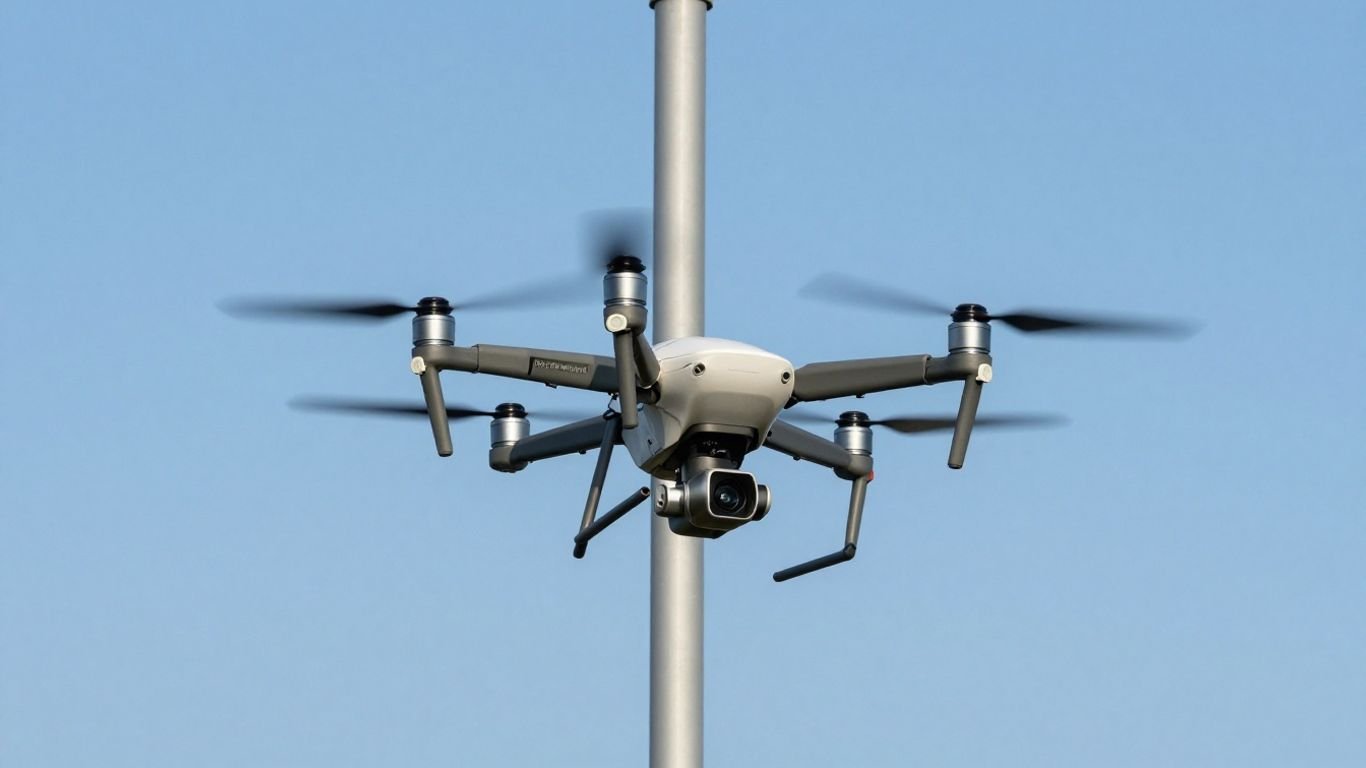
You know, those tall cell towers that keep our phones working? They need checking up on, just like anything else. For a long time, that meant people climbing way up there, which sounds pretty risky. But now, there’s a new way to do it, and it’s changing things. We’re talking about drones, those little flying gadgets, and how they’re becoming the go-to for keeping cell towers in good shape. It’s pretty neat how technology can make jobs safer and maybe even cheaper.
Key Takeaways
- Drones offer a safer alternative to traditional tower climbs for cell tower inspection, reducing risks for workers.
- High-resolution cameras and specialized sensors on cell tower inspection drones allow for detailed analysis of equipment and structures.
- Automated flight planning and data capture with drones streamline the inspection process, saving time and resources.
- Drones help identify potential issues early, preventing costly repairs and service disruptions for telecom assets.
- The use of cell tower inspection drones is becoming standard practice, improving efficiency and accuracy in infrastructure maintenance.
Revolutionizing Cell Tower Inspections
The Rise of Drones in Infrastructure Monitoring
Remember when inspecting a cell tower meant someone had to climb all the way up, often in less-than-ideal weather? It was risky, time-consuming, and frankly, not the most efficient way to keep our communication networks running smoothly. Well, things are changing, and drones are leading the charge. These flying gadgets are becoming the go-to tool for keeping an eye on all sorts of infrastructure, and cell towers are no exception. They allow for detailed aerial cell site surveys without putting people in harm’s way.
Enhanced Safety and Efficiency with Aerial Inspections
Using drones for cell tower checks is a game-changer for safety. Instead of sending a person up a 100-foot tower, a drone can do the job from the ground or a safe distance. This means fewer accidents and injuries. Plus, drones can cover a lot of ground quickly, capturing high-resolution images and videos. This makes the whole process faster and more thorough. It’s all about getting the information needed without the old risks. This approach is significantly improving how we handle remote cell tower monitoring.
Cost-Effective Solutions for Telecom Asset Management
Let’s talk money. Traditional tower inspections often involve expensive equipment like cherry pickers, scaffolding, or even helicopters, not to mention the cost of labor for specialized climbers. Drones cut down on these expenses significantly. They require less manpower, less specialized gear, and can often complete inspections in a fraction of the time. This makes them a much more budget-friendly option for telecom companies looking to manage their assets effectively. The ability for automated cell tower data collection further reduces labor costs.
The shift towards drone-based inspections isn’t just about saving a few bucks; it’s about a smarter, safer, and more sustainable way to maintain critical communication infrastructure. It’s about using technology to do a better job with fewer resources and less risk.
Here’s a quick look at how drone inspections stack up:
- Reduced Risk: Eliminates the need for dangerous tower climbs.
- Faster Turnaround: Inspections completed in hours, not days.
- Detailed Data: High-resolution imagery for precise issue identification.
- Lower Costs: Significant savings on equipment and labor.
This new method is really changing the game for how we look after our cell towers.
Advanced Capabilities of Inspection Drones
High-Resolution Imaging for Detailed Analysis
Forget grainy photos from years ago. Today’s drone technology for telecom infrastructure is equipped with cameras that capture incredibly sharp images. We’re talking about seeing details like hairline cracks in paint, loose bolts, or even minor corrosion from hundreds of feet away. This level of detail means inspectors can spot potential problems early, often before they become serious issues. It’s like having a super-powered magnifying glass for the entire cell tower.
Thermal Sensors for Detecting Equipment Issues
Sometimes, problems aren’t visible to the naked eye. That’s where thermal sensors come in. These sensors can detect heat signatures, which is super useful for spotting overheating components in antennas or power equipment. An unusually hot spot could indicate a failing part that needs attention. This capability adds another layer of proactive maintenance, helping to prevent unexpected outages.
Lidar and Radar for Structural Assessments
Beyond just visual checks, some advanced drones can use Lidar (Light Detection and Ranging) and radar. Lidar can create precise 3D models of the tower structure, helping to identify any warping or structural anomalies. Radar, on the other hand, can sometimes see through certain materials or detect changes in density, which might be useful for assessing the integrity of thicker components or identifying hidden damage. These tools provide a more in-depth look at the tower’s physical condition, going beyond surface-level observations. This kind of data is invaluable for long-term structural health monitoring and regulatory compliance.
The ability to gather such detailed information without putting human inspectors in harm’s way is a game-changer. It means fewer risks for workers and more accurate data for tower owners.
Here’s a quick look at what these capabilities mean:
- Visual Inspection: Detects physical damage, wear, and tear.
- Thermal Imaging: Identifies overheating components and electrical issues.
- Lidar/Radar: Assesses structural integrity and provides 3D mapping.
This advanced suite of tools means we’re not just looking at towers; we’re truly understanding their condition from multiple perspectives. It’s a significant leap from how things were done even a few years ago, making the maintenance of these critical assets much more effective. The insights gained from these inspections are far more robust than what was previously possible, contributing to the longevity and reliability of the entire network. This technology is transforming how we approach the upkeep of telecom infrastructure.
Streamlining the Inspection Workflow
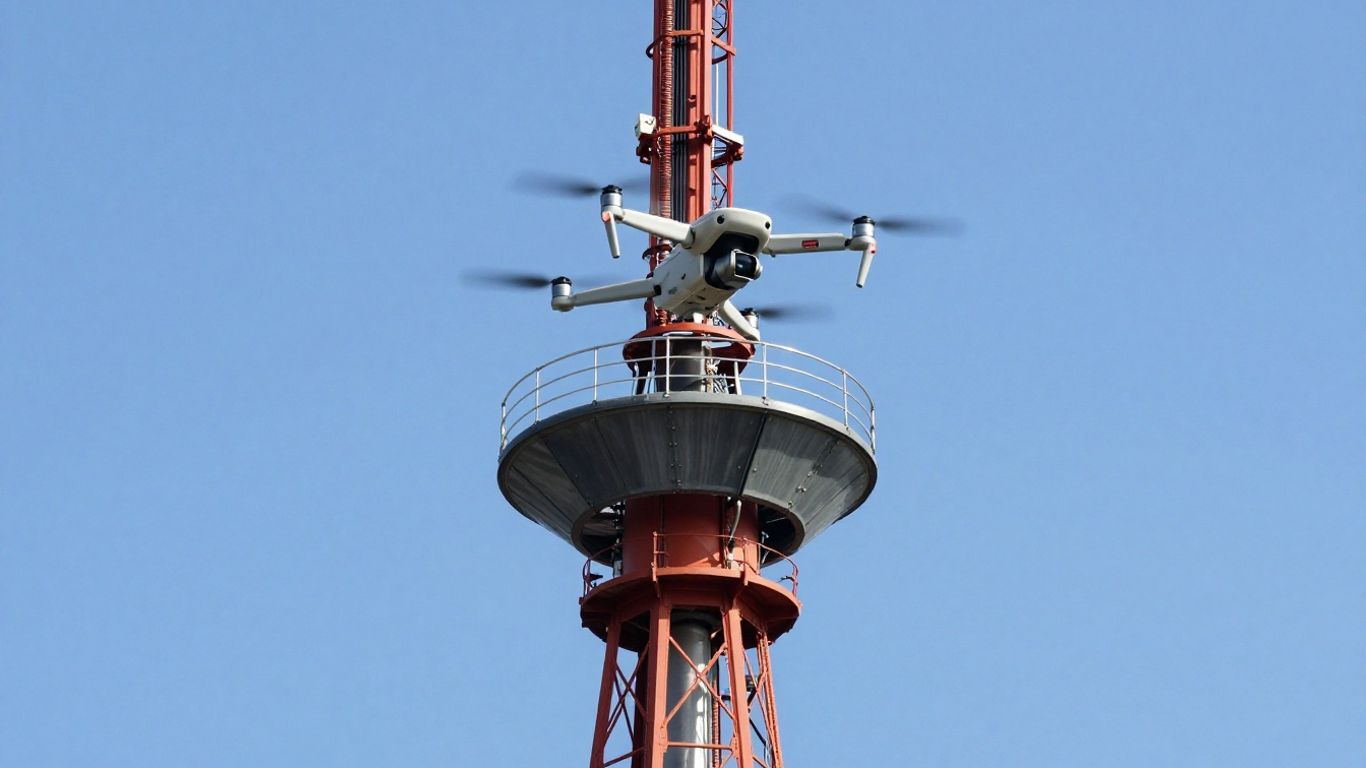
Getting a good look at cell towers used to be a real hassle. Think about it: ropes, harnesses, climbing hundreds of feet up, often in less-than-ideal weather. Drones change all of that. They make the whole process much smoother and safer.
Precision Flight Planning for Comprehensive Coverage
Before the drone even takes off, a lot of planning goes into it. We map out exactly where the drone needs to go, what angles to capture, and what specific areas to focus on. This isn’t just random flying; it’s about making sure we don’t miss anything important. Think of it like a detailed checklist for the drone’s eyes. This careful planning means we get a complete picture of the tower’s condition, from the base all the way to the very top. It’s about getting all the necessary data without wasting time or resources. This approach is similar to how drones are used for bridge inspections, where precise flight paths are key to thorough assessments.
Automated Data Capture and Analysis
Once the flight plan is set, the drone goes to work. It flies its route, capturing high-resolution photos and videos. Many drones can also carry special sensors, like thermal cameras, to spot issues you can’t see with the naked eye, such as overheating equipment. The real magic happens after the flight. Instead of a person sifting through hours of footage, software can help analyze the data. It can flag potential problems, like loose bolts or corrosion, making the review process much faster. This automated data capture is a big step up from older methods.
Delivering Actionable Insights for Maintenance
What good is all this data if you can’t use it? The goal is to turn all those pictures and sensor readings into clear, useful information. Reports are generated that highlight any issues found, often with photos showing exactly where the problem is. This helps maintenance crews know exactly what needs fixing and where. It means less guesswork and more targeted repairs. This kind of detailed reporting is also a big part of how drones are used in solar panel maintenance, ensuring systems are running as they should.
The shift to drone-based inspections means less time spent on site, reduced risk for personnel, and quicker identification of potential problems. This efficiency translates directly into cost savings and improved reliability for cell tower networks.
Here’s a quick look at what the workflow typically involves:
- Pre-flight: Detailed mission planning and site assessment.
- Flight Operations: Automated or remotely piloted drone capture of visual and sensor data.
- Data Processing: Software analysis of captured imagery and sensor readings.
- Reporting: Generation of clear, concise reports with actionable maintenance recommendations.
- Follow-up: Maintenance teams use the reports to schedule and perform necessary repairs.
Addressing Challenges in Traditional Inspections
Remember the old days of checking cell towers? It usually meant a whole crew, specialized gear, and a truck, costing a pretty penny – think around $4,000 per tower. This whole process was not only expensive but also incredibly risky for the folks doing the climbing.
Reducing Reliance on Dangerous Tower Climbs
Climbing towers is no joke. It’s physically demanding and, let’s be honest, pretty dangerous. There’s always a risk of falls or equipment malfunctions. Drones change all of that. They can get up close and personal with the equipment without a human needing to ascend. This means fewer injuries and a much safer work environment for everyone involved. It’s a big step forward in how we look after these vital structures.
Minimizing Operational Disruptions
When a tower needs inspecting the old way, you often have to shut down operations or at least limit access. This can lead to service interruptions, which nobody wants. Drones can perform inspections while the tower is still fully operational. This means no downtime for maintenance, keeping those signals strong and uninterrupted for users. It’s all about keeping things running smoothly.
Overcoming Accessibility Limitations
Some cell towers are in really tough spots – think remote mountains or crowded urban areas where getting heavy equipment like lifts or scaffolding in is a nightmare. Traditional methods just can’t handle these situations easily. Drones, however, are small and agile. They can fly into these hard-to-reach places and capture all the necessary data. This opens up inspection possibilities for virtually any tower, no matter its location or surroundings. It’s like having eyes everywhere, even where you couldn’t before. This ability to access difficult locations is a game-changer for infrastructure maintenance [d098].
The shift away from manual, high-risk inspections to aerial drone surveys isn’t just about convenience; it’s a fundamental improvement in safety protocols and operational efficiency. By keeping personnel on the ground, companies can significantly reduce their liability and the potential for costly accidents, while still gathering the detailed information needed for upkeep.
The Future of Cell Tower Maintenance
Integrating Drones into Predictive Maintenance
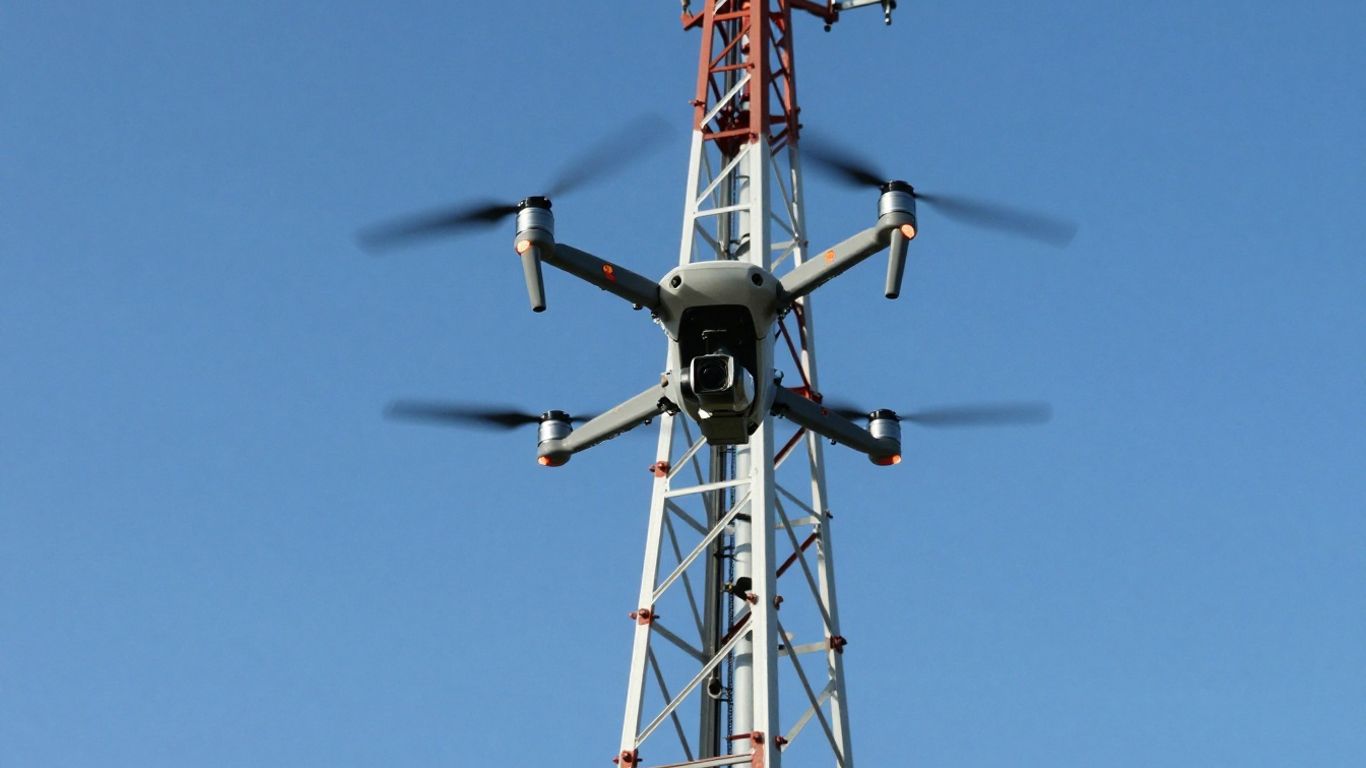
So, what’s next for keeping those cell towers humming along? It’s all about getting smarter, and that means using unmanned aerial vehicles for tower maintenance in more advanced ways. We’re moving beyond just spotting problems after they happen. The real game-changer is using drone data to predict when something might go wrong before it actually does. Think of it like a doctor using your regular check-up results to spot early signs of illness. Drones can capture incredibly detailed images and sensor data, like thermal readings, that, when analyzed over time, can show subtle changes in equipment. This allows maintenance crews to schedule work proactively, rather than reacting to failures.
The Evolving Role of Cell Tower Inspection Drones
These drones are becoming more than just flying cameras. They’re turning into sophisticated data-gathering tools. We’re seeing them equipped with more sensors, like lidar, to map tower structures precisely. This information can be fed into digital models of the towers, creating what some call ‘digital twins.’ This allows for virtual inspections and simulations, helping engineers understand stress points or potential weaknesses without ever setting foot on the tower. The pilot’s role is also changing, with more focus on data analysis and mission planning, not just flying. It’s a pretty interesting shift, and it’s happening fast. The demand for skilled drone pilots is growing, especially in fields like infrastructure monitoring. This technology is boosting the demand for skilled drone pilots.
Ensuring Compliance and Regulatory Adherence
Keeping cell towers up and running isn’t just about fixing things; it’s also about following the rules. Drones help with this in a couple of ways. First, they make it easier to get clear, documented proof of a tower’s condition, which is important for regulatory bodies. You can show exactly what was inspected and when. Second, by reducing the need for dangerous climbs, drones help companies meet safety regulations and lower the risk of accidents. This means fewer fines and less downtime due to safety incidents. It’s all about making sure everything is above board and safe. The ability of drones to provide detailed and accurate visual data is a significant advantage for the telecommunications sector. This technology significantly speeds up and improves the effectiveness of repairs.
Here’s a quick look at how drone inspections stack up:
- Safety: Significantly reduces risks associated with manual tower climbs.
- Efficiency: Inspections completed in hours, not days or weeks.
- Cost: Lower operational expenses compared to traditional methods.
- Data Quality: High-resolution imagery and sensor data for detailed analysis.
The integration of drones into cell tower maintenance is not just a trend; it’s a fundamental shift in how infrastructure is managed. It’s about working smarter, safer, and more efficiently to keep our communication networks reliable.
The Future is Looking Up
So, it’s pretty clear that drones are changing how we look at things, especially when it comes to keeping our cell towers in good shape. They’re not just a cool gadget anymore; they’re becoming a really practical tool for maintenance crews. Being able to get a close-up look at equipment without sending someone way up high saves time, money, and most importantly, keeps people safer. As the tech gets better and cheaper, expect to see these flying cameras become a regular part of how we manage our communication networks. It’s a smart way to keep everything running smoothly.
Frequently Asked Questions
What exactly are drones and why are they used for cell towers?
Drones, also called unmanned aerial vehicles (UAVs), are like small, flying robots. They’re used for cell towers because they can fly up close to them and take pictures or videos. This helps people check if the towers are okay without having to climb them, which can be dangerous.
How do drones make cell tower inspections safer?
Climbing tall cell towers is risky. Drones can get to the same high places safely. This means fewer people have to put themselves in danger, making the whole process much safer for workers.
Can drones see small problems on cell towers?
Yes! Drones can be equipped with special cameras that take super clear pictures. These pictures are so detailed that they can spot tiny issues like loose bolts or small cracks that might be missed otherwise. Some drones even have cameras that can see heat, helping find equipment that’s getting too hot.
Are drone inspections cheaper than old methods?
Often, yes. While buying and using drones costs money, it’s usually less expensive than sending out teams to climb towers or using big equipment like cranes. Plus, they can often finish the job faster, saving time and money.
How do drones help fix cell towers before they break?
By taking detailed pictures regularly, drones help spot problems early. This means companies can fix small issues before they become big, expensive problems that could cause a tower to stop working. It’s like going to the doctor for a check-up instead of waiting until you’re really sick.
What happens to the information drones collect?
The drones send back lots of pictures and data. Special software can then look at this information to find any problems. This helps the people who manage the towers know exactly what needs to be fixed and where, making repairs quicker and more effective.