Drones: Our New Search and Rescue Superheroes

You know, we see drones flying around all the time these days, mostly for fun or taking cool aerial shots. But what if I told you these flying gadgets are becoming real lifesavers? It turns out drones are stepping up in a big way for search and rescue missions. They’re helping find people who are lost, assisting in disasters, and even helping out our furry friends. It’s pretty amazing how quickly this technology is changing how we respond to emergencies, making things faster and safer for everyone involved. Let’s check out how these machines are becoming our new search and rescue superheroes.
Key Takeaways
- Drones are increasingly used in real-life search and rescue situations, helping locate missing persons and providing aid during emergencies.
- Volunteer drone pilots are forming organizations like SWARM to assist official rescue teams, showing a growing community effort.
- Technological upgrades like thermal imaging and night vision allow drones to operate effectively in various conditions, improving search capabilities.
- Regulations, particularly FAA guidelines, are evolving to better accommodate drone use in emergencies, though some hurdles remain for immediate deployment.
- Beyond human rescues, drones are finding new applications, such as locating lost pets and aiding in agricultural disaster response, showing their expanding potential for good.
Drones Revolutionizing Search And Rescue Efforts
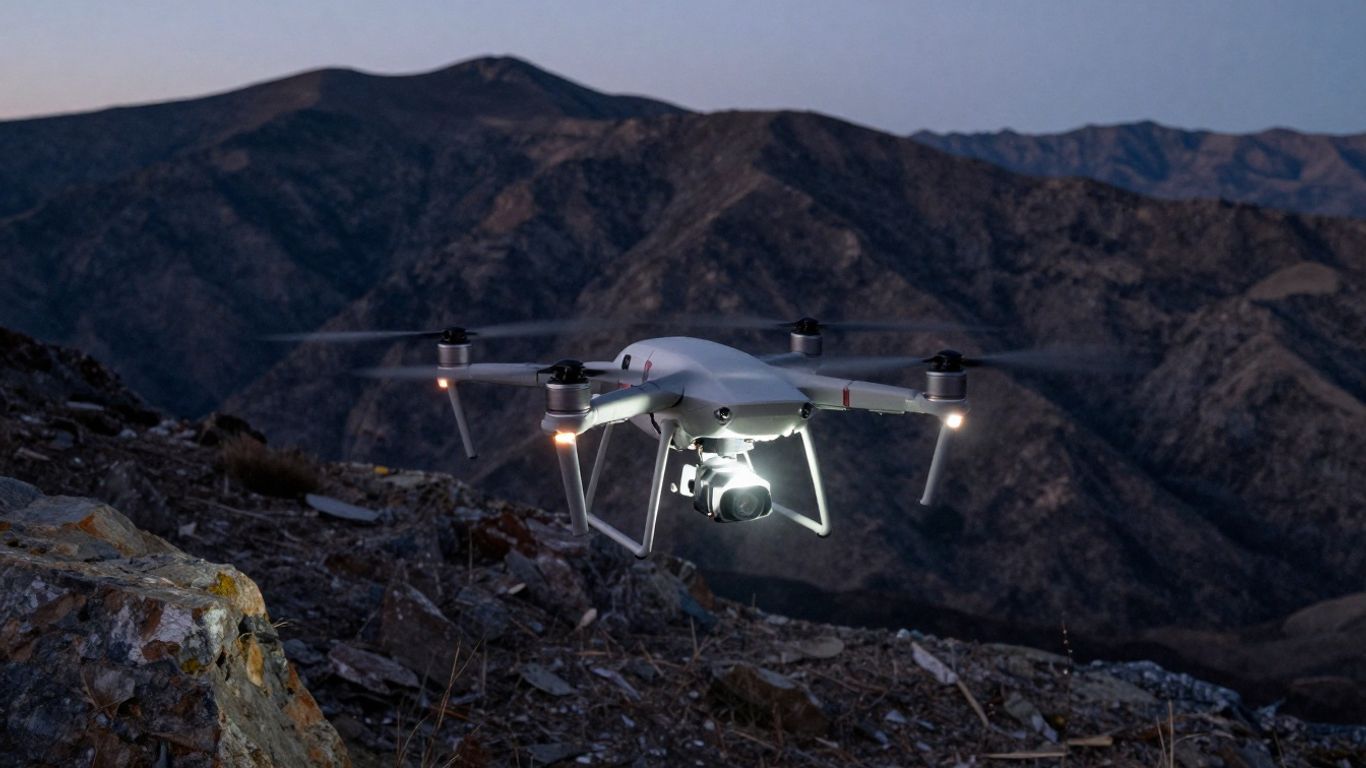
It feels like just yesterday we were seeing drones as fancy toys for hobbyists, but wow, have things changed. Now, these amazing machines are becoming real lifesavers, totally changing how we handle search and rescue. Think about it: instead of sending people into dangerous spots, we can send a drone. This is a huge deal for unmanned aircraft for SAR operations.
Real-World Heroics: Drones in Action
We’re seeing incredible stories pop up all the time. Take the flooding in Texas a while back; a drone spotted a truck that had been washed away in minutes, a task that would have taken ground crews much longer. Then, it helped deliver a safety line to a stranded couple. These aren’t just isolated incidents anymore. Organizations are popping up, connecting drone pilots with emergency services. It’s a growing movement of everyday people using their tech skills for good, making a real difference when it counts.
The ability of drones to provide an aerial perspective quickly is unmatched. They can cover large areas rapidly, spotting things the human eye might miss from the ground.
The Rise of Volunteer Drone Pilots
It’s not just professional rescue teams using drones. A whole community of volunteers has emerged, ready to deploy their own aircraft when disaster strikes. These pilots often have day jobs, but they’re willing to drop everything to help. They’re trained, they’re dedicated, and they’re proving how valuable this technology can be. It’s inspiring to see people step up like this, using their skills for aerial surveying for missing persons.
Overcoming Regulatory Hurdles for Drones
Of course, it’s not all smooth sailing. Getting permission to fly drones, especially in emergencies, can be a real headache. The rules are catching up, but sometimes they move too slowly for urgent situations. We’re talking about needing special permissions, which can take time. Thankfully, things are improving, but there are still challenges to make sure these flying heroes can get to work without delay. This is a key part of integrating drone technology in disaster relief effectively.
- Speed: Drones can reach disaster zones much faster than traditional ground teams.
- Safety: They reduce risk to human rescuers by performing initial assessments.
- Reach: Drones can access areas that are difficult or impossible for people to get to.
We’re seeing advancements in remote sensing for casualty detection, which means drones can do more than just spot people; they can help identify them even in tough conditions. It’s a complex field, but the potential for saving lives is enormous.
Technological Advancements in Drone Search And Rescue
Enhanced Vision: Thermal and Night Operations
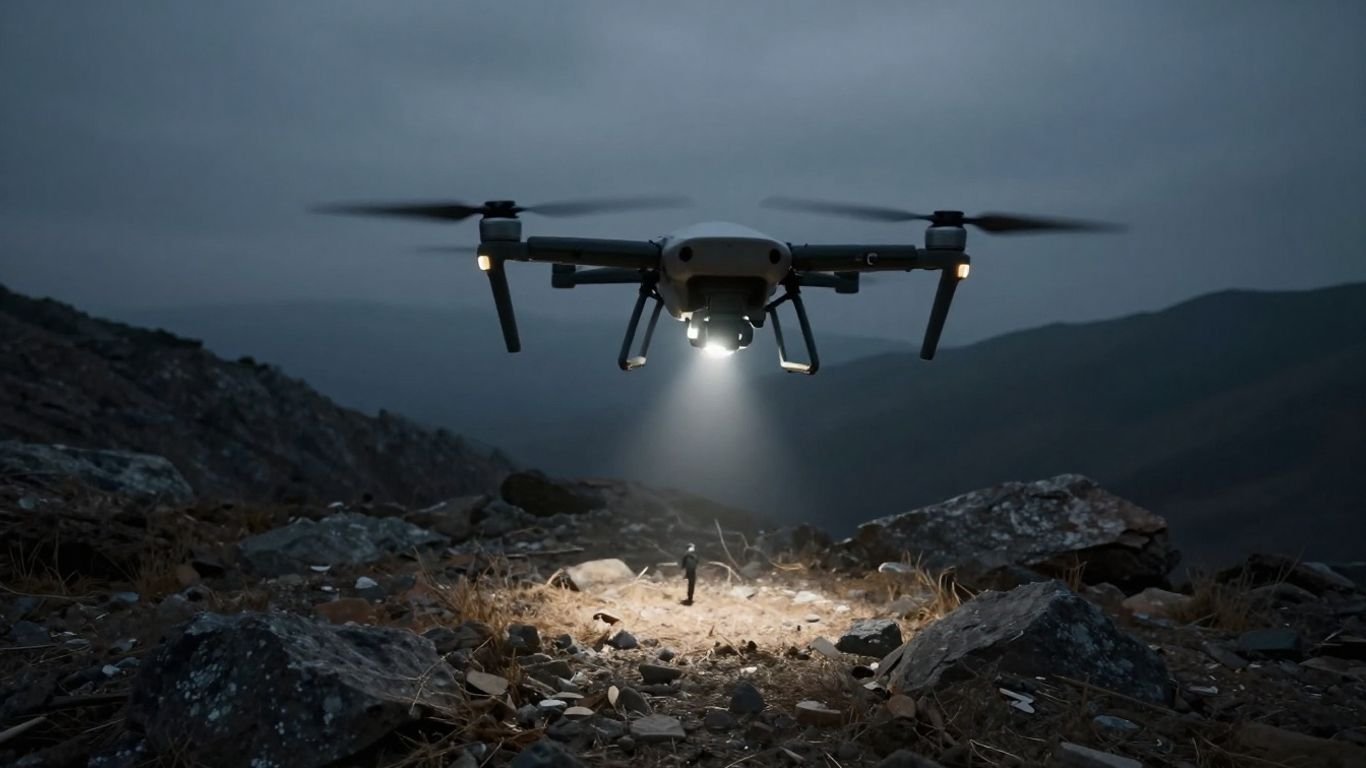
Drones aren’t just flying cameras anymore; they’re equipped with eyes that can see what the human eye can’t. Thermal imaging cameras are a game-changer, allowing rescuers to spot a person’s body heat even in dense foliage or at night. This means a lost hiker in the woods or someone stranded in cold water can be located much faster, significantly improving their chances of survival. These advanced sensors turn a drone into a powerful tool for seeing the unseen. Night operations are also becoming more common, with drones using specialized lights or their thermal capabilities to search when it’s completely dark. It’s like giving search teams a superpower to look through the night.
Efficient Search Patterns with Drones
Manually searching large areas can take ages and is incredibly tiring. Drones, however, can be programmed to fly in systematic patterns, like a grid, covering vast tracts of land or water methodically. This efficiency is key in time-sensitive rescue situations. Instead of random searching, drones can systematically scan an area, ensuring no spot is missed. This structured approach helps pinpoint a subject’s location much quicker than traditional methods. For instance, a drone can map out a search area and then fly a pre-determined path, relaying video back to the command center. This allows for a more organized and effective deployment of ground teams.
Communication Capabilities for Remote Teams
When a disaster strikes, communication can often be the first thing to go down. Drones can act as flying communication hubs, extending the reach of radio signals or even creating temporary Wi-Fi hotspots in remote or devastated areas. This allows rescue teams on the ground to stay in touch with each other and with the command center, coordinating their efforts more effectively. Imagine a situation where cell towers are down; a drone can provide a vital link, relaying messages and updates. This capability is especially important for teams working in isolated locations, helping them stay connected.
Drones are increasingly being used to inspect infrastructure, offering a safer and faster way to gather data. This technology is not just for finding people; it’s also about maintaining the systems we rely on.
Here’s a quick look at how drone tech helps:
- Thermal Cameras: Detect heat signatures, perfect for finding people in low visibility or at night.
- High-Resolution Zoom: Allows operators to get a closer look at potential subjects from a safe distance.
- Automated Flight Paths: Ensures systematic coverage of large search areas, reducing missed spots.
- Communication Relays: Extends radio or Wi-Fi range for ground teams in dead zones.
The Future of Drones in Emergency Response
We’re seeing some pretty amazing things with drones right now, but honestly, we’re just scratching the surface of what they can do for emergency situations. Think about it: these flying gadgets are getting smarter and more capable all the time. It’s not just about spotting someone from above anymore; it’s about integrating them into the whole rescue process in ways we’re only starting to imagine.
Expanding Drone Capabilities for Rescues
Right now, drones are already doing a lot, like providing aerial views and helping locate people. But the future is looking even brighter. We’re talking about drones that can carry more, fly longer, and do more than just observe. Imagine drones equipped with medical supplies that can be dropped to someone injured and waiting for help, or even drones that can act as temporary communication relays in areas where cell service is down. These advancements mean faster, more effective aid when every second counts. The goal is to make these UAVs for emergency response more autonomous, allowing them to perform complex tasks with less direct human control, which is a big deal when you’re dealing with chaotic scenes.
Integrating Drones with Other Rescue Technologies
It’s not just about the drones themselves, though. The real magic happens when they start talking to everything else. Think about linking drone feeds directly into command centers, so incident commanders get a live bird’s-eye view. Or imagine drones working alongside ground teams, sharing data in real-time. This kind of integration means rescue efforts can be coordinated much better. We’re moving towards a future where drones are a standard part of the toolkit, not just an add-on. This allows for better situational awareness and quicker decision-making during critical events [8a19].
The Growing Potential of Drones for Good
Looking ahead, the potential for drones to help people is huge. We’re already seeing them used in search and rescue, but that’s just the beginning. They can help with everything from disaster assessment after an earthquake to monitoring wildfires. The technology is improving so fast, and as it does, we’ll find even more ways for these machines to assist in difficult situations. It’s exciting to think about how these tools can be used for positive impact, making our communities safer and helping those in need [ac7e].
The ongoing development of drone technology promises to significantly boost our capacity to respond to emergencies. As these systems become more sophisticated and integrated, they will undoubtedly play an even larger role in saving lives and mitigating the impact of disasters.
Navigating the Skies: Drone Regulations and Safety
Flying drones for search and rescue missions is incredibly exciting, but it’s not quite as simple as just taking off. There are rules, and they matter. The Federal Aviation Administration (FAA) is the main group that sets these rules for flying in the U.S. airspace. Understanding these regulations is key to using drones effectively and safely in emergencies.
Understanding FAA Guidelines for Drone Use
For a long time, using drones for anything other than hobby flying meant a lot of paperwork and waiting for special permission. This was a big problem when every second counts in a rescue. Thankfully, things have gotten better. The FAA has rules, like Part 107, that cover most drone operations. These rules help make sure drones don’t get in the way of regular air traffic, like planes and helicopters. It’s important to know that most drones under 55 pounds fall under these guidelines. You can find more details about these rules on the FAA’s website.
Waivers and Authorizations for Special Operations
Even with the updated rules, there are still situations where you might need extra permission. For example, flying at night or higher than 400 feet usually requires a waiver from the FAA. These waivers, often called Certificates of Authorization (COA) for public entities, allow for operations outside the standard rules. The FAA has gotten better at issuing these quickly for emergency situations, sometimes within hours, when a public safety agency requests it. It’s all about balancing the need for quick action with the safety of the skies.
Ensuring Safe Drone Integration in Emergencies
When drones are used in search and rescue, safety is the top priority. This means thinking about a few things:
- Pilot Training: Operators need to know their drone inside and out, including its limitations.
- Weather Conditions: Drones can’t fly in all weather. Strong winds or heavy rain can make them unsafe to operate.
- Communication: Keeping in touch with the ground team and any other emergency responders is vital.
- Visual Line of Sight: Generally, the drone operator needs to be able to see the drone at all times.
Integrating drones into emergency response requires careful planning. It’s not just about having the technology; it’s about having trained people who know how to use it responsibly within the existing safety framework. This includes understanding how drone data, like thermal imaging, can be used effectively without causing confusion or delays.
While the technology is amazing, like thermal cameras for seeing in the dark or advanced search patterns, the human element and adherence to safety rules are what truly make drones superheroes in these critical moments. They are powerful tools, but they need skilled hands and clear skies to do their best work.
Beyond Human Search: Drones Assisting Vulnerable Populations
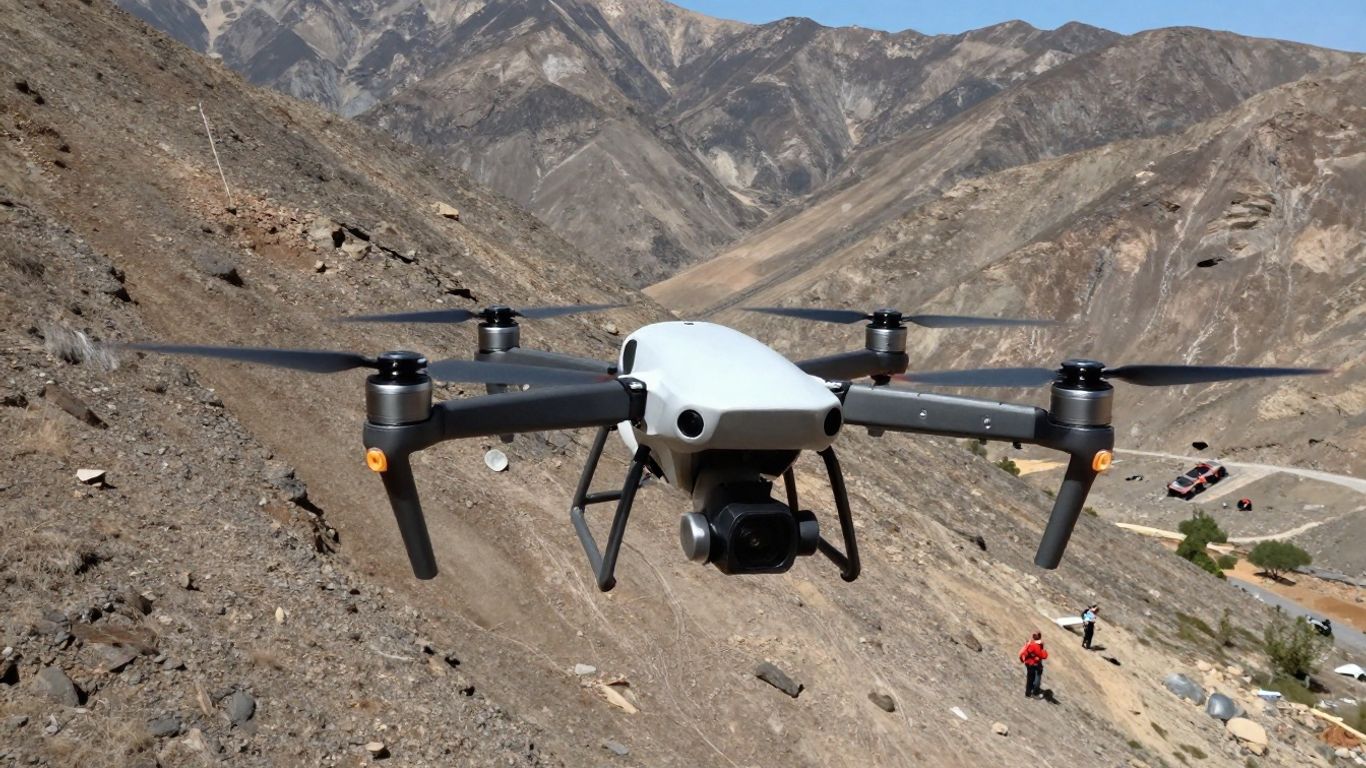
Sometimes, the most vulnerable among us need a little extra help, and that’s where drones are stepping up in some pretty amazing ways. Think about lost pets or communities hit hard by agricultural disasters – these are situations where drones can make a real difference.
Locating Lost Pets with Drone Technology
Losing a pet is heartbreaking. They’re part of the family, and when they wander off, the worry is immense. Traditional searches can be slow and cover a lot of ground without much success. This is where drones come in handy. Equipped with thermal imaging, they can spot a warm body even in dense brush or after dark, which is a huge advantage. Imagine a lost dog hiding under a porch or a cat stuck up a tree – a drone can get eyes on them quickly.
- Thermal cameras detect heat signatures, making it easier to find animals in low visibility.
- High-resolution cameras can zoom in to identify specific markings or breeds.
- Quiet operation means a drone is less likely to scare a frightened animal further away.
Organizations are starting to use these tools to help reunite pets with their owners. It’s a hopeful development for anyone who’s ever experienced the panic of a missing furry friend.
Drones Aiding in Agricultural Disaster Response
When farms face disasters, like widespread disease or extreme weather, the impact can be devastating. Drones are becoming a key part of the response. For instance, they can be used to quickly assess the damage across large fields after a storm. This helps farmers understand the scope of the problem and prioritize recovery efforts.
Furthermore, drones equipped with specialized sensors can help detect early signs of crop diseases or pest infestations. This allows for targeted treatment, potentially saving entire harvests. It’s a more efficient and less invasive approach than traditional methods. The ability to map affected areas using advanced drone mapping software provides a clear picture for disaster relief planning.
Drones offer a bird’s-eye view that’s simply not possible with ground-based efforts alone. They can cover vast areas rapidly, identify specific problems, and help coordinate rescue or recovery operations more effectively. This technology is transforming how we respond to emergencies, especially when time is critical.
These applications show that drones aren’t just for cool aerial shots; they’re becoming vital tools for helping those who need it most, whether they have two legs or four.
The Future is Flying High
So, it’s pretty clear that drones are way more than just fancy toys. They’re out there, helping find people, delivering supplies, and even spotting trouble from above. While there are still a few bumps in the road, like figuring out all the rules and making sure everyone can use them when needed, the potential is huge. It feels like we’re just scratching the surface of what these flying gadgets can do to help us out of tough spots. Keep an eye out, because these drones are becoming our everyday heroes, one mission at a time.
Frequently Asked Questions
How are drones helping in rescue missions?
Drones are like flying eyes in the sky! They can quickly search large areas, spot people who are lost or in danger, and even deliver important items like life vests or medicine. They can also see in the dark or through smoke using special cameras, making them super useful when it’s hard for people to see.
Can anyone fly a drone for rescue missions?
While many people own drones, using them for official rescue missions often requires special permission from aviation authorities. This is to make sure everyone stays safe, especially other aircraft. However, there are groups and volunteers working to make this process easier for emergencies.
What kind of special cameras do drones use for rescues?
Drones can be equipped with cameras that see heat, called thermal cameras. This is great for finding people because their bodies give off heat, even if they’re hidden or it’s dark. Some drones also have cameras that work well at night.
How do drones help rescuers find people faster?
Imagine trying to search a huge forest on foot. It takes a long time! Drones can fly over that same forest much quicker and cover more ground. They can also follow smart paths to make sure they don’t miss any spots, helping rescuers find people who are lost much sooner.
Are there rules about flying drones for rescues?
Yes, there are rules to keep things safe. For example, drones usually can’t fly too high or at night without special permission. But rules are changing to help drones be used more easily in emergencies, as they are proving to be valuable tools for saving lives.
Can drones help find lost pets?
Absolutely! Just like finding people, drones can help search for lost dogs, cats, or other pets. Their cameras can help spot them from above, especially in large areas or places that are hard to reach on foot. It’s another way these flying helpers are making a big difference.