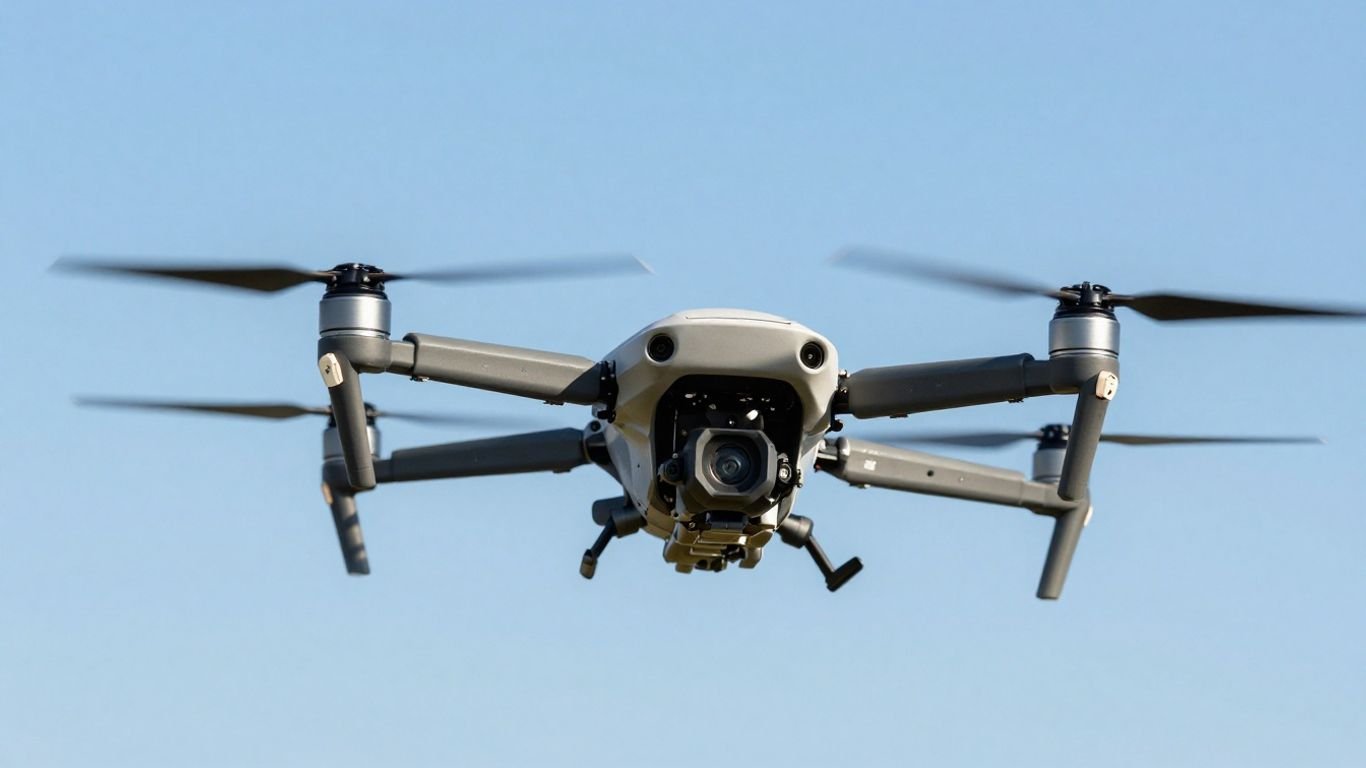
Understanding the Alta X – Blue Package Freefly Systems for industrial operations

Key Takeaways
This article examines the capabilities of the Alta X – Blue Package Freefly Systems for industrial applications. It focuses on the platform’s reliability, regulatory compliance, and versatile operational deployment possibilities.
- The Blue UAS certification ensures rigorous standards for US-based government procurement.
- Heavy-lift functionality allows for a wide range of specialized sensor integration.
- NDAA compliance facilitates confident usage within critical infrastructure and government sectors.
- Modular design supports rapid swapping of payloads for various mission requirements.
- Dedicated support systems and robust hardware ensure continued operational readiness for professionals.
Overview of the Blue UAS program
Definition of Blue UAS certification
The Blue UAS certification serves as a standardized verification layer for unmanned aerial systems, specifically signaling that a drone has undergone extensive vetting for security and performance qualities. By meeting these benchmarks, manufacturers demonstrate that their technology aligns with the strict requirements desired by US government agencies and operators overseeing sensitive critical infrastructure. This designation provides a critical layer of assurance for organizations that cannot risk vulnerabilities associated with non-vetted or externally sourced hardware.
Why the Alta X achieved Blue UAS status
Meeting the requirements for this status involves a comprehensive evaluation of the supply chain, cybersecurity, and hardware manufacturing standards behind the platform. The Alta X – Blue Package Freefly Systems platform achieved this milestone by proving that every aspect of its production and data handling meets the stringent expectations set by defense and government evaluators. This foundation allows the aircraft to serve as a trusted tool where reliability is non-negotiable, effectively bypassing the risks common in less scrutinized drone architectures.
Significance for government and critical infrastructure procurement
Procurement processes for public sector and infrastructure tasks require hardware that is transparent and fully compliant with current safety regulations. By selecting systems that have secured this designation, organizations reduce the administrative burden of validating each component themselves. This aligns with broader grievance culture observations where modern organizations prioritize trust and vetting, ensuring that the heavy-lift equipment deployed into the field reflects the highest standards of reliability and national oversight.
Key technical specifications of the Alta X
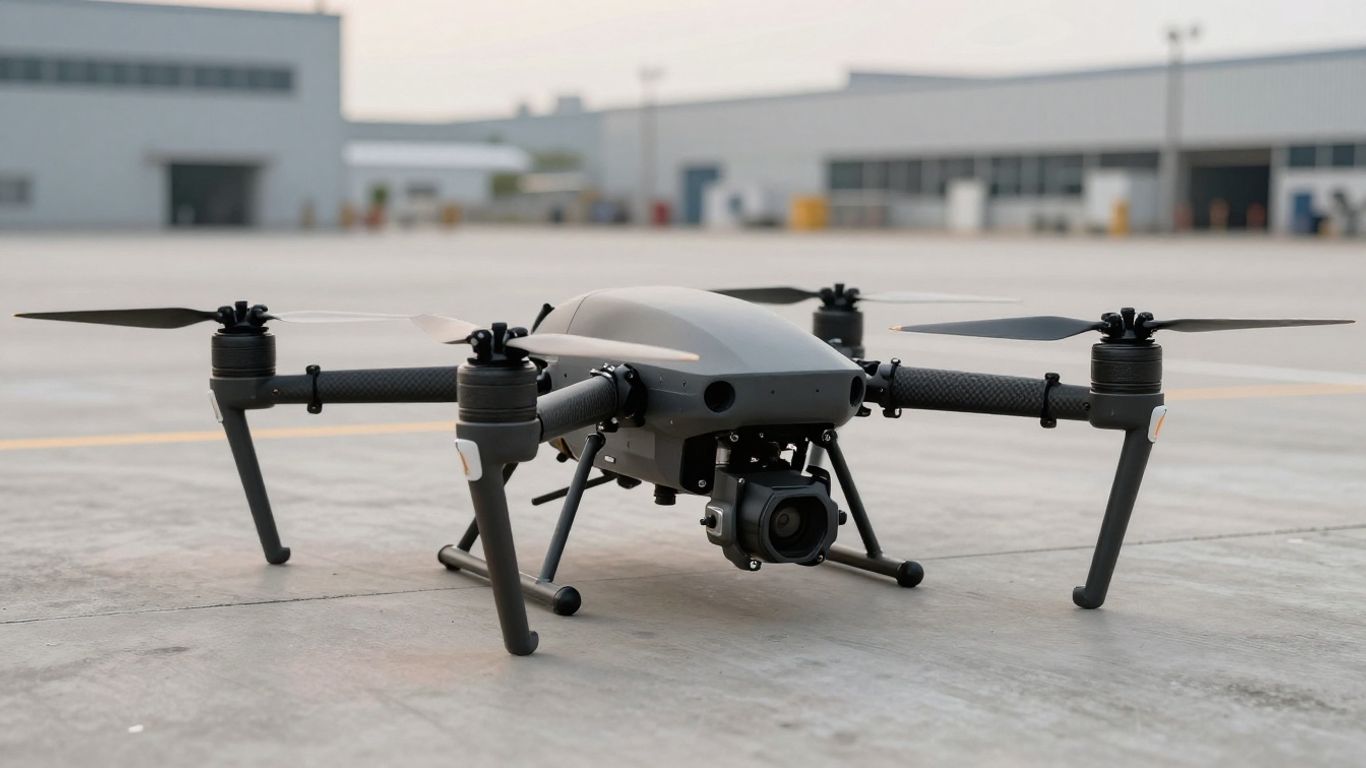
Payload capacity and heavy-lift capabilities
Engineered for serious industrial work, this platform maintains consistent performance even when carrying substantial equipment. The Alta X is recognized for its ability to handle demanding setups, making it a preferred choice for operators who need predictable hardware performance for their specialized sensors or camera systems.
| Feature | Specification | Capacity |
|---|---|---|
| Max Payload | 35 lbs | Heavy |
| Frame Weight | Optimized | High Efficiency |
| Motor Power | High Torque | Professional |
Operators find that this robust capacity allows for the mounting of complex equipment, such as heavy LiDAR or cinema-grade cameras, without sacrificing the stability of the flight profile.
Flight duration and battery efficiency benchmarks
The efficiency of the energy delivery system directly correlates to how long operators stay in the air during demanding missions. By balancing the total mass of the craft with high-capacity battery solutions, the system pushes the boundaries of effective flight time. Users realize that optimizing the payload-to-battery ratio allows for longer data collection sessions, reducing the need for frequent ground interruptions and constant battery swaps.
Modular design for rapid payload swapping
The ability to transition between mission types requires a mechanical interface that is fast yet secure. Utilizing the Easy Aerial Osprey design ethos for portability, the platform uses a quick-release hardware system that permits operators to reconfigure the drone in minutes. This speed is essential when a site requires multiple types of data gathered sequentially, ensuring the equipment remains flexible throughout a varying work day.
Compliance and security benefits
NDAA compliance standards explained
The National Defense Authorization Act sets the baseline for the hardware used in government-adjacent operations. Adhering to these standards ensures that the drone platform does not rely on banned components or suspicious code bases. This enables teams to operate with the certainty that their equipment meets the legislative hurdles required for operating at government facilities or within major industrial zones.
Data transmission and privacy architecture
Security begins with how information travels from the aerial platform to the controller. By prioritizing data protection and encrypted links, the platform ensures that gathered imagery and mapping data remain confidential. The architecture minimizes the risk of signal interception, which is a major concern when dealing with highly sensitive site evaluations or restricted mapping projects.
Cybersecurity measures for sensitive missions
Beyond basic compliance, the platform incorporates protections against potential digital threats, ensuring that mission intelligence remains secure. Users who partner with ez Home Search or similar entities for high-value logistics often rely on these hardened systems to protect the integrity of their gathered intelligence. These layers of protection ensure that operators can focus on their objectives rather than potential vulnerabilities in the drone’s digital interface.
Operational deployment scenarios
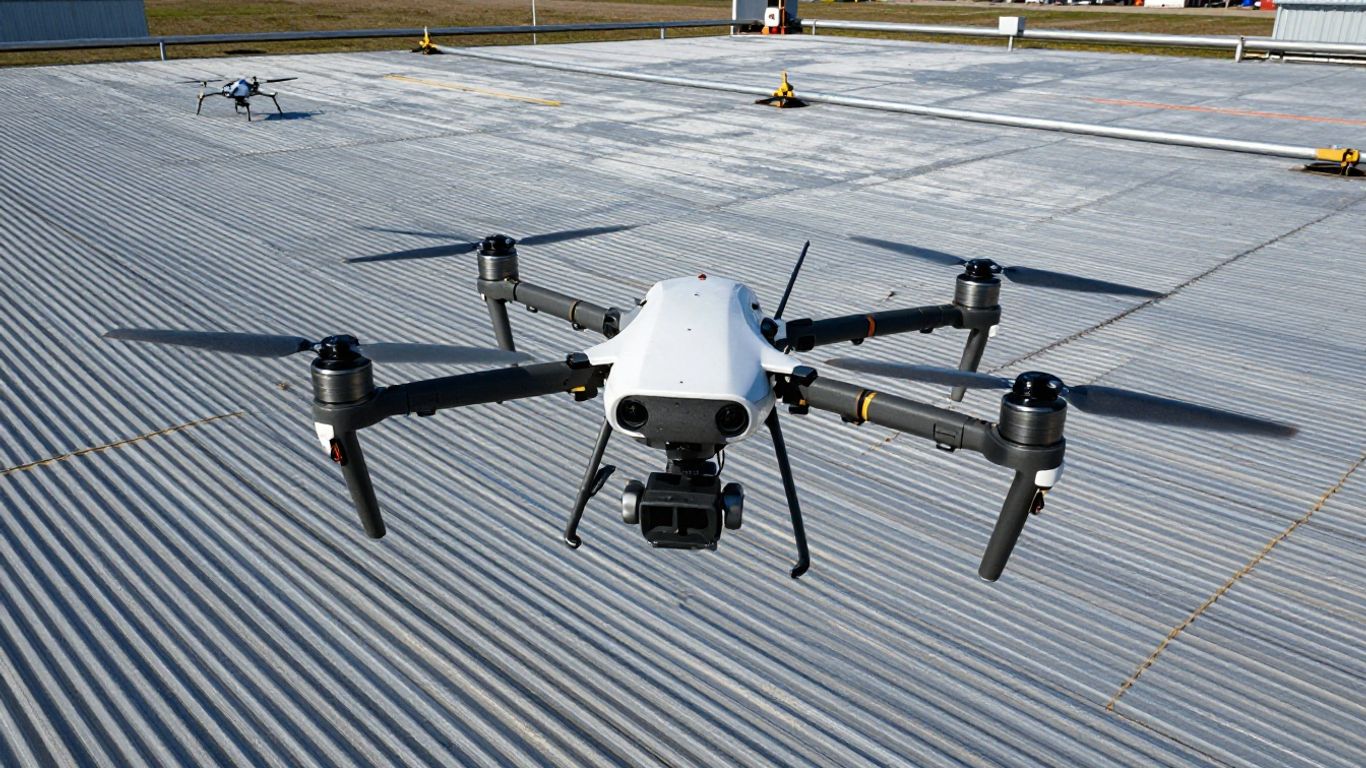
Infrastructure inspection and mapping workflows
Efficiency in mapping is achieved through the synergy of stable flight and precise sensors. By utilizing high-fidelity capture tools, the drone identifies structural anomalies that might escape manual detection, saving time on complex site reviews. This workflow is consistent with the Astro/Max Freefly Systems guide for commercial operations, where reliability is the core differentiator in high-stakes environments.
Scaling long-range search and rescue operations
When speed and endurance are critical, the system provides a stable platform for thermal and optical searching. Operating in long-range scenarios requires a link that maintains connection strength even in challenging terrain. The platform is designed to handle these variables, providing operators with a reliable way to cover large distances efficiently, turning search efforts from a slow manual task into a data-driven mission.
Industrial cinematography and broadcasting relay
Professional video capture demands precise control, especially when working in high-pressure broadcasting environments. The drone provides a smooth platform for filming that requires high accuracy, with features including:
- Vibration-reduced mounts for crystal clear footage
- Real-time video downlink for director oversight
- Balanced flight modes for smooth camera pans
- Redundant systems for high-value gear protection
These capabilities make it highly effective for film crews, allowing them to capture cinematic shots that were previously unreachable with more traditional equipment. By integrating these systems, artists and directors can rely on the drone’s stability to deliver the quality that mainstream commercial projects expect.
Maintenance and support essentials
Routine flight checks and system calibration
A disciplined maintenance schedule is the best way to prevent unexpected downtime in the field. Operators are encouraged to perform regular integrity checks on moving parts, specifically checking for wear on propellers and mountings. Following a consistent checklist ensures that every component is within manufacturer specs, preventing small issues from escalating into operational failures while on the job.
Managing firmware and security updates
Keeping the system updated is crucial for both security and functionality. The Freefly Alta X repository provides the necessary tools for administrators to apply updates in a controlled manner. Periodic updates ensure that the craft benefits from the latest security patches and performance optimizations, which is vital when operating in environments where threats are constantly evolving.
Utilizing official Freefly Systems support channels
When specialized questions arise, accessing documentation and expertise directly from the source is essential. For teams needing more resources, official support platforms offer detailed guides, community knowledge, and direct communication with engineering teams. This accessibility helps ensure that users have the guidance required to solve technical challenges quickly, maintaining the overall momentum of industrial projects.
Essential components of the Blue Package
Integration with the Pilot Pro controller
Control feel is what makes the Pilot Pro such a powerful tool for complex drone operation. It offers the precision required for heavy-lift missions, giving pilots a tactile interface that responds immediately to input. This controller acts as the central hub for mission data, ensuring that the pilot stays informed of aircraft health and situational variables throughout the flight duration.
Battery management and field charging systems
Managing energy in the field requires heavy-duty infrastructure that can handle multiple high-voltage cycles. The provided charging solutions prioritize speed and stability, preventing potential damage to flight cells during rapid field replenishment. By maintaining a logical rotation of batteries, crews can stay airborne for significantly longer windows, turning an intensive mission into a streamlined multi-battery operation.
Transport cases and equipment readiness kits
Protection during transit is as important as the drone’s performance during flight. The Alta X + Pilot Pro (NDAA/Blue) Essentials Kit ships with specialized travel cases that secure the aircraft and its sensitive parts. These kits help to ensure that upon landing, the drone is ready for immediate deployment without the need for delicate recalibration or repairs caused by the rigors of logistics and transit.
Conclusion
Supporting complex industrial needs requires a reliable, compliant, and thoroughly vetted aerial platform. By integrating the high-performance capabilities of the Alta X with a commitment to security, operators can confidently pursue missions that range from site inspection to cinematography. Following these best practices for maintenance and deployment ensures that every flight contributes to professional goals while maintaining safety and efficiency across all operations.
Frequently Asked Questions
What does it mean for a drone to be Blue UAS certified?
This certification verifies that a drone meets stringent performance and security benchmarks set by government authorities, ensuring the equipment is safe for use in sensitive scenarios.
Can this drone be used in environments requiring NDAA compliance?
Yes, the specified drone platform is designed to align with NDAA compliance standards, making it appropriate for use in government and critical infrastructure projects.
How does the folding design impact the reliability of the platform?
The folding design is engineered for mobility without compromising the structural integrity of the airframe, ensuring that the drone remains stable and responsive even after extensive transport.
Why is a dedicated controller important for industrial drone missions?
A dedicated controller ensures a stable, encrypted link between the pilot and the craft, providing direct control and reliable telemetry data which is vital during complex or high-stakes flights.
Are there specific payload considerations for heavy-lift platforms?
Operators should calculate the total weight and ensure they use the correct mounting accessories, such as payload rails, to guarantee balance and prevent unnecessary strain on the motors.
What are the main challenges when operating in remote conditions?
Operating in remote areas usually requires extra battery management resources and a clear understanding of signal limits, as signal interference and power availability can become more difficult variables to manage.
How do firmware updates improve the security of the drone?
Firmware updates deliver the latest security patches and performance improvements, which defend against emerging digital threats and ensure the aircraft stays optimized for current operational needs.