
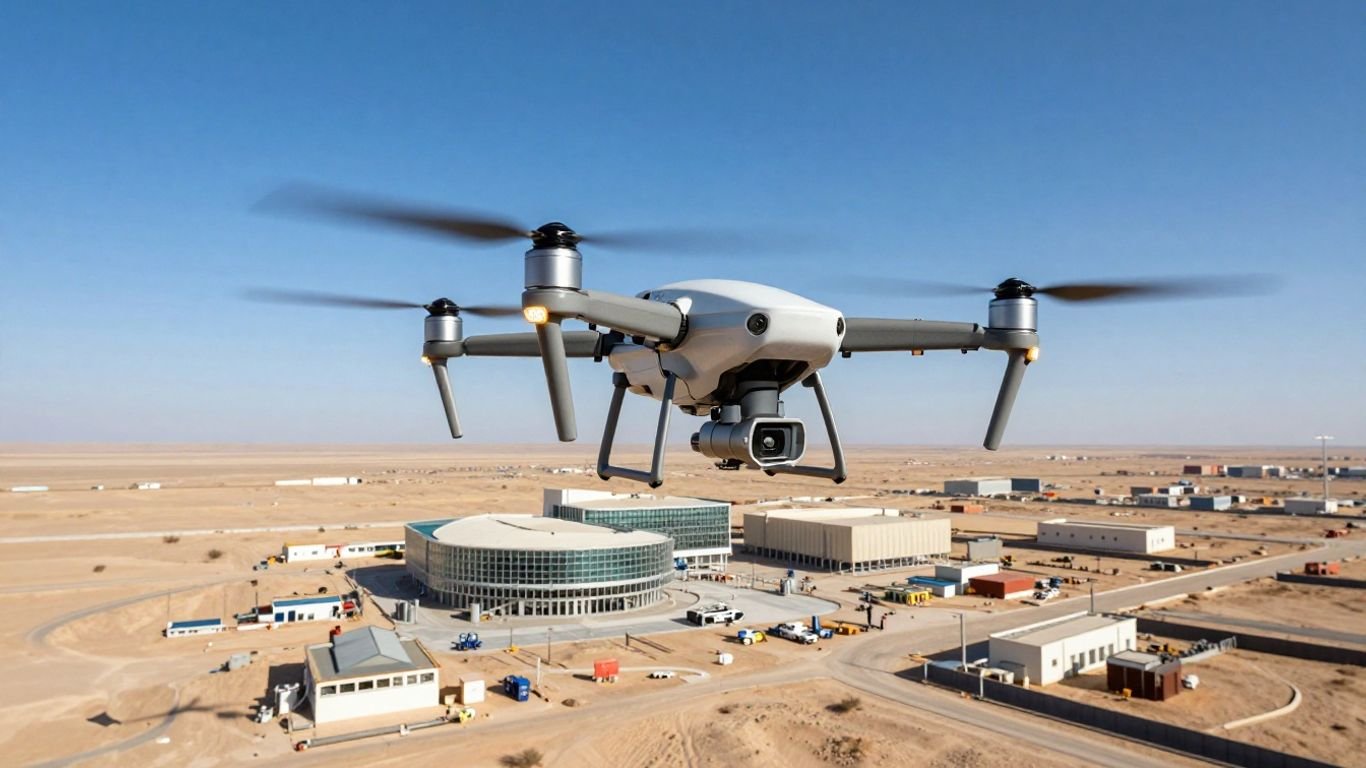
A comprehensive guide to the Osprey (Free Flight Version) by Easy Aerial

Key Takeaways
Transitioning from tethered operations to independent flight offers new operational flexibility for mission-ready drone platforms. This guide examines how the Osprey (Free Flight Version) adapts military-grade engineering for versatile industrial applications.
- Advanced modular payload capabilities support diverse sensor configurations.
- NDAA compliance and Blue UAS status ensure hardware security standards.
- Integrated airframe design allows for rapid field deployment in varied climates.
- Optimized data link architecture maintains reliable communication over extended distances.
- Comprehensive fleet management practices extend platform service life and reliability.
Overview of the Osprey (Free Flight Version)
Evolution from the tethered platform
The Osprey (Free Flight Version) Easy Aerial represents a significant transition from its tethered heritage. Operators familiar with localized, persistent monitoring can now leverage the same high-end build quality and reliability for free-roaming missions that require greater horizontal range. By stripping away the power tether, the platform gains the agility necessary for complex navigation while maintaining the core stability synonymous with Easy Aerial’s engineering standards. This shift acknowledges that some missions demand the ability to traverse vast environments without the logistical constraints of a fixed ground power supply.
Primary industrial use cases
In heavy industry, the ability to rapidly survey structural health is paramount. The platform is designed to excel in challenging inspection tasks where traditional methods fail to capture necessary high-fidelity data. Whether surveying cellular towers or assessing utility assets, users find that its adaptive nature allows for consistent performance across varied environmental conditions. It allows teams to reduce the physical risks associated with manual inspections while improving the frequency of asset monitoring.
Core design philosophy for modular payloads
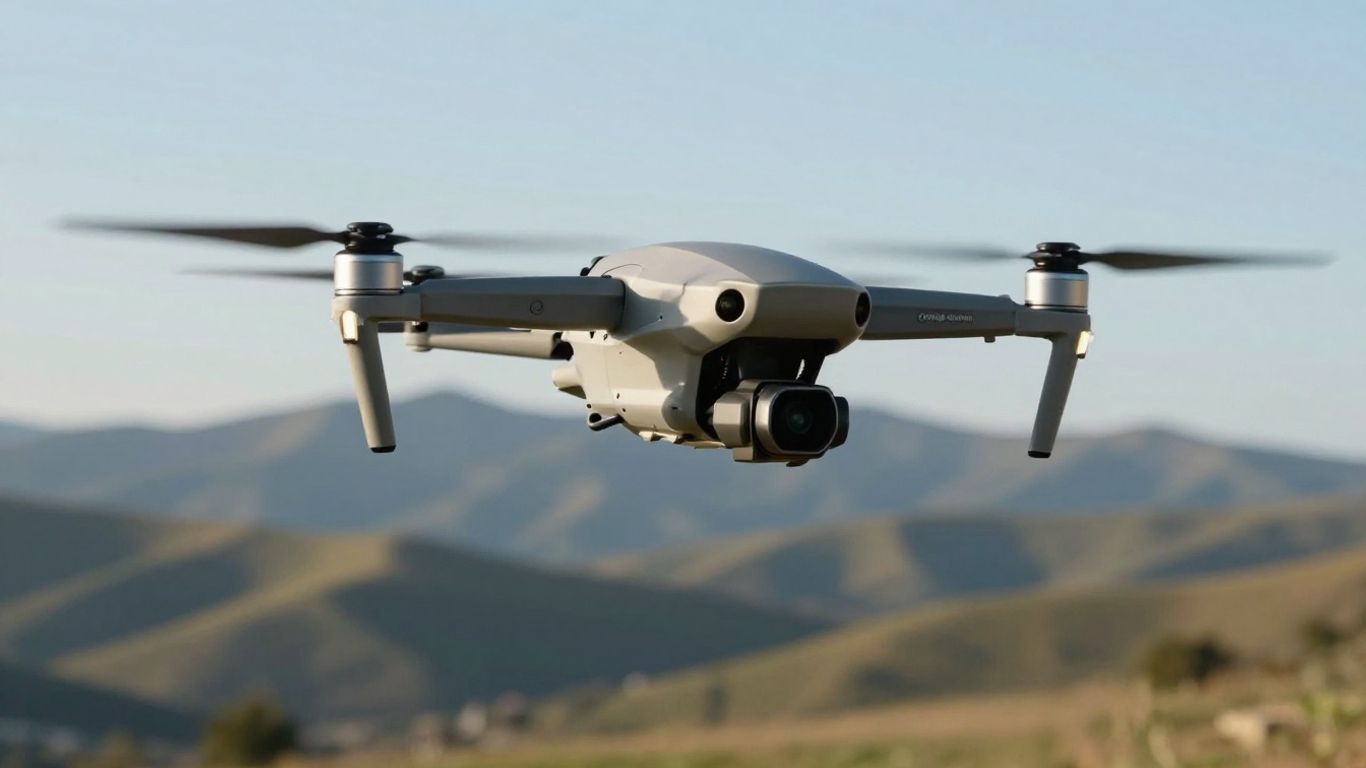
Ascent AeroSystems Spirit design principles often emphasize modularity for specific environments, and the Osprey follows a similar path by offering flexible mounting options for diverse sensors. This modularity ensures that the aerial component remains future-proof as new imaging technologies emerge. The airframe accommodates different gimbal configurations to handle specialized cameras or environmental sensors without compromising balance or weight distribution. This ensures that the system remains stable and predictable, acting as a reliable tool for professional operators who require consistency during high-stakes data collection missions.
Key technical specifications and flight performance
Battery architecture and mission endurance
The battery system is engineered for longevity and consistent power draw, allowing for meaningful mission endurance in demanding field conditions. Operators should consider how the weight of their secondary sensors impacts total battery life, as maximizing flight time is often a trade-off with the complexity of the payload. The architecture supports efficient power management, ensuring that energy is preserved for flight stability even as a battery reaches deep discharge cycles.
Propulsion system and wind resistance
Propulsion efficiency underpins the platform’s stability. During intense flight operations, the motors demonstrate exceptional reliability in harsh wind conditions, providing a solid platform for precision tasks. Maintaining these systems requires regular inspection of motor housings and rotor health, as vibrations from degraded components can negatively impact image clarity and flight controller accuracy.
Data link capabilities and range constraints
Reliable connectivity is essential for any modern platform. Users must understand that environmental factors, particularly electromagnetic interference, impact the practical range of the telemetry and video links. Adhering to line-of-sight best practices often mitigates these issues, yet advanced setups may require specific antenna configurations to keep the control link stable in complex topography.
Operational benefits of the free flight configuration
Enhanced mobility for site inspections
Moving away from a fixed base of operations allows teams to reach inaccessible areas that were previously off-limits. This freedom of movement increases the number of points of interest an inspector can evaluate in a single session. By minimizing setup time, the free flight model enables more proactive maintenance schedules.
Rapid deployment during emergency response
When every minute counts, an agile platform provides a vital edge. The ability to deploy from a vehicle or carry the unit into the field ensures that situational awareness is maintained during fast-evolving crises. Below are the key characteristics that support this speed:
- Minimal calibration steps prior to takeoff.
- Compact chassis layout for quick transport.
- Hot-swappable batteries for near-continuous operations.
- Rapid mounting interface for standardized sensors.
These features ensure that teams spend less time preparing the hardware and more time active on the ground. Such mobility changes how organizations handle urgent mission profiles, turning a potential logistical hurdle into a smooth operational flow.
Versatility in challenging terrain
Terrain often complicates flight planning, yet the Osprey thrives in varied altitudes and landscapes. Operators should view the mission planning software as a tool to map safe paths around obstacles. When used alongside a navigation guide, crews can optimize their flight paths while adhering to safety protocols.
Navigating the integration process for enterprise users
Software and API compatibility
Seamless software integration is a hallmark of Auterion’s communication module, and modern enterprise systems similarly prioritize standard protocols to ensure compatibility with existing fleet management software. Developers and IT administrators should look for standard MAVLink support, which facilitates easier data processing and remote monitoring. This openness reduces the risk of vendor lock-in when scaling up a fleet.
Payload swapping and gimbal configuration
To understand the mechanical requirements of various sensor setups, consult the official manufacturer documentation regarding weight limitations and center-of-gravity adjustments. The internal mounting brackets are designed to support a specific range of configurations to ensure aerodynamic integrity. The table below outlines standard recommendations for weight and payload management:
| Sensor Class | Typical Weight | Mounting Note | Stability Impact |
|---|---|---|---|
| Optical Zoom | 0.8 kg | Fixed Gimbal | Low Impact |
| Thermal IR | 0.5 kg | Hard Mount | Minimal |
| LiDAR/Mapping | 1.2 kg | Vibration Dampers | Moderate Impact |
Properly balancing these components is critical to prevent unnecessary wear on the propulsion system. Incorrectly mounted payloads serve as a frequent source of poor flight characteristics, making strict adherence to these weight guidelines essential for operational safety.
Ground control station setup requirements
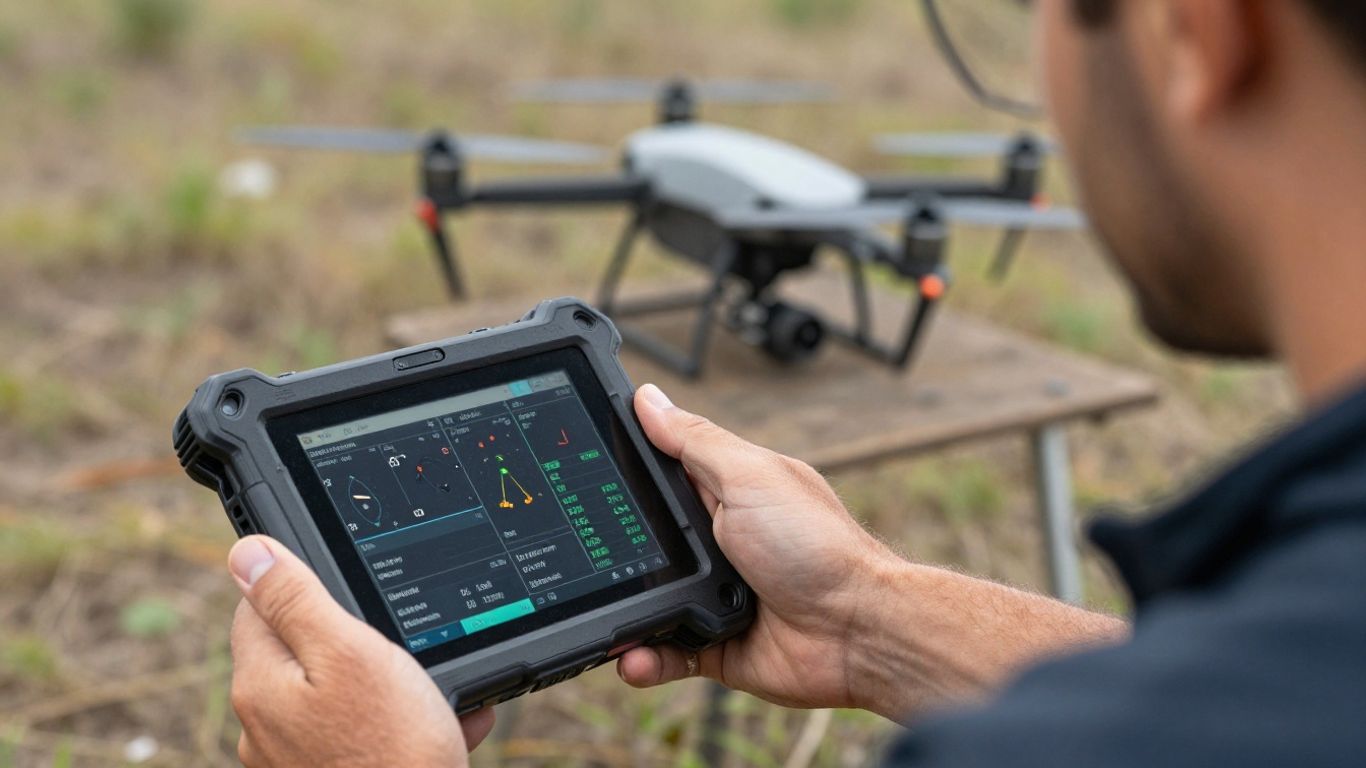
The ground station acts as the brain of the operation, requiring high-reliability hardware to process data feeds. Operators are encouraged to use hardened tablets that meet current industry standards. Setting up the GCS should involve redundant power sources and a clear, interference-free area for the radio controller to ensure that Skyfish’s level of professional precision remains uncompromised.
Safety protocols and regulatory compliance for the Blue UAS platform
Meeting NDAA standards for hardware compliance
Hardware security begins with sourcing components that adhere to stringent domestic regulations. The platform remains a reliable choice for organizations that must comply with strict procurement guidelines, providing peace of mind through documented compliance. By aligning with the Blue UAS standard, users ensure their entire procurement lifecycle remains within federal guidelines.
Failsafe and emergency landing procedures
Reliable failsafes act as a safety net in the event of unforeseen signal loss or mechanical degradation. Effective protocols include automatic return-to-home functionality and sophisticated geofencing modules that keep the aircraft within safe coordinates. Regularly testing these modes in a controlled environment is mandatory for all personnel.
Data security and encryption standards
Cybersecurity is of paramount importance when operating in sensitive environments. The firmware incorporates advanced encryption for data at rest and in transit, protecting information from interception or unauthorized tampering. Keeping up-to-date with security versions is the best way to leverage Airborne situational awareness in modern defense frameworks.
Maintenance and long-term fleet management
Scheduled firmware updates and versioning
Consistent updates preserve the software integrity of the flight controller, addressing known bugs and introducing improvements to autonomous navigation. Establish a cadence for checking the manufacturer website for the latest versioning to avoid operating with outdated flight software.
Motor and frame durability assessment
Routine audits of the airframe, particularly the landing gear and motor mounts, are necessary to catch minor fatigue before it leads to failure. A logbook detailing flight hours for each specific motor enables predictive replacement strategies.
Managing diagnostic logs for fleet longevity
Diagnostic logs provide the empirical data required for long-term fleet health. Reviewing these logs frequently allows technicians to correlate mission stresses with specific maintenance intervals, effectively managing 3309 maintenance tasks for long-term durability. By treating every log entry as valuable insight, you extend the operational life of the entire fleet.
Conclusion
The implementation of an aerial system like the Osprey demands careful integration and a focus on safety standards. By following the recommended protocols for maintenance, payload configuration, and data security, teams are well-positioned to achieve reliable performance. As you begin incorporating this technology into your workflows, focus on consistency to get the most value out of your investment.
Frequently Asked Questions
What primary factors influence drone battery performance in cold climates?
Cold temperatures naturally reduce the chemical reaction rate inside lithium-ion batteries. Operators should consider pre-warming batteries to optimal operating temperatures and factor in decreased mission endurance during winter flight planning.
Why is regulatory compliance essential for industrial drone operations?
Compliance ensures that a piece of technology has been vetted for vulnerabilities and meets the necessary standards for public safety. Without compliance, users may face significant legal risks or data insecurity complications.
How often should a typical mission-ready platform undergo motor maintenance?
Routine maintenance should occur according to a set schedule of flight hours, typically aligning with manufacturer inspection guidelines. However, if any unusual vibration or acoustic noise occurs, maintenance should be performed immediately regardless of hours used.
Can commercial sensors be integrated with specialized airframes?
Most professional platforms allow for third-party sensor integration provided they meet the weight, power, and mounting requirements of the specific airframe. Checking interface compatibility via official technical manuals is a recommended first step.
What role does the ground control station play in flight stability?
The ground control station serves as the link between the pilot and the drone, processing critical flight data. A stable and communicative ground station allows for real-time monitoring and immediate corrective action, which contributes directly to overall safety.
How should an operator handle sensor calibration on site?
Sensor calibration should happen in a stable environment before takeoff using the provided manufacturer tools. Always ensure the device is perfectly level and free from metallic interference when running the initialization process.
What are the main advantages of using modular payloads?
Modularity provides the ability to switch between different data collection tasks using a single airframe platform. This versatility saves time and equipment costs, allowing operators to tackle diverse missions with minimal additional hardware requirements.