
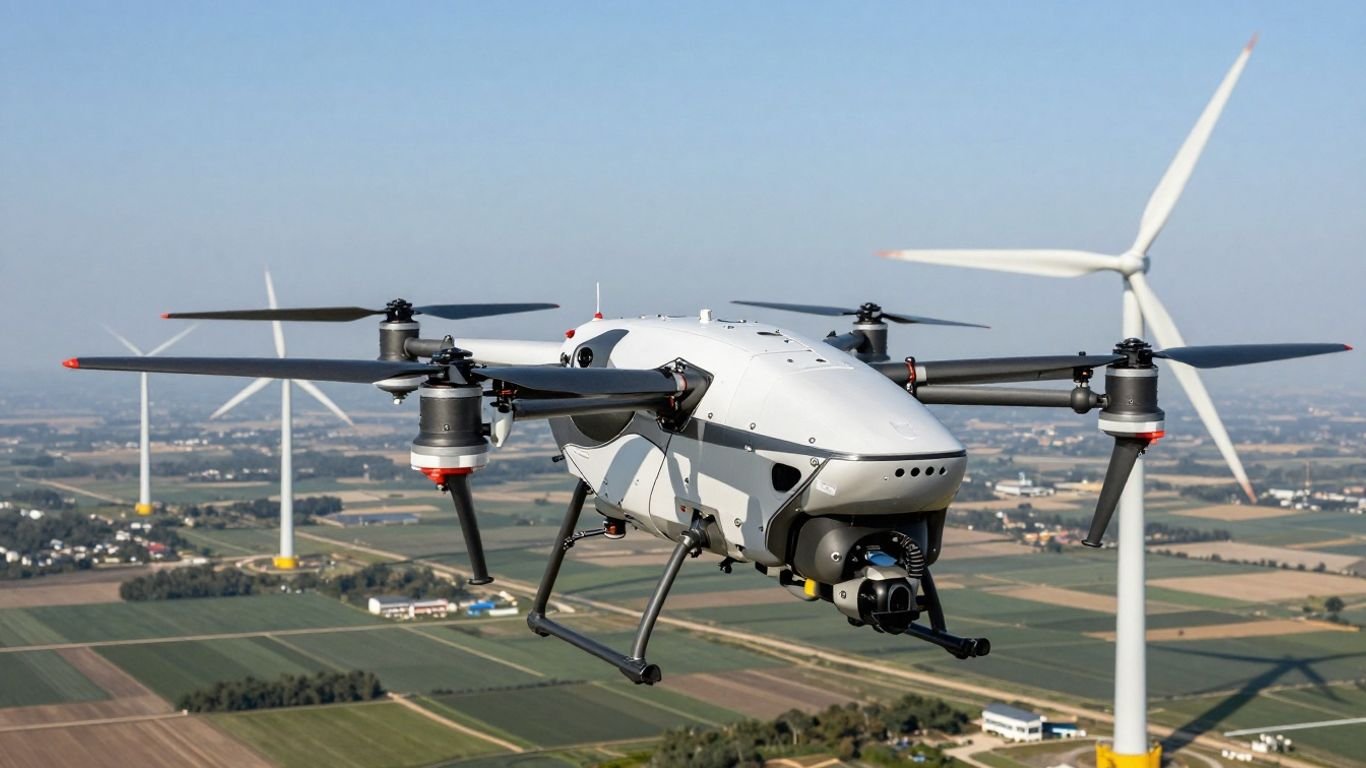
A comprehensive guide to the IF1200A Inspired Flight Technologies hexacopter

Key Takeaways
This guide examines the core features and operational value of the IF1200A for professional industrial missions.
- The platform is designed for heavy-lift industrial applications and complex aerial missions.
- It features robust safety systems to maintain flight stability during motor degradation.
- Users can integrate various payloads for mapping, inspections, and lidar scanning.
- Compliance with US government standards ensures reliable, secure long-term deployment.
- Strategic maintenance and site planning are essential for managing an enterprise-level fleet.
Overview and capabilities of the IF1200A
The IF1200A Inspired Flight Technologies hexacopter represents a significant advancement in commercial aviation for those who manage critical infrastructure. Operators often require a reliable heavy-lift platform that can handle complex environments without compromising on flight security. This hexacopter bridges the gap between raw power and precision, providing a stable foundation for the high-end sensors needed in modern enterprise operations.
Design philosophy for heavy-lift industrial aviation
Industrial aviation requires a machine capable of persistent, repeatable missions under diverse weather conditions, and the design of this aircraft emphasizes structural integrity. By centering the architecture on a hexacopter frame, the engineering team manages vibrations more effectively than traditional airframes, which is crucial for high-accuracy mapping work. The reliance on sturdy, flight-proven materials ensures that the system can survive the daily rigors of field usage even when infrastructure planning tools are used to scope the project logistics.
Key mechanical features of the hexacopter airframe
At the core of the airframe, you will encounter the reliable heavy-lift platform known for its durability and ease of transport. The folding mechanism enables field crews to transition from a compact travel state to air-readiness in mere minutes, reducing the time spent on manual setup. This modularity extends to the landing gear, allowing for varying ground clearance dependent on the specific sensor package being used for the day’s flight objectives.
Strategic advantages of US-manufactured drone platforms
Operating hardware sourced within the United States provides unique benefits, particularly for procurement teams navigating complex security policies. Choosing a platform that prioritizes local support ensures that operators are never left stranded without technical assistance or replacement parts. This long-term commitment to supply chain transparency supports organizations that must adhere to strict data security standards while maintaining a high operational tempo.
Engineering and technical specifications
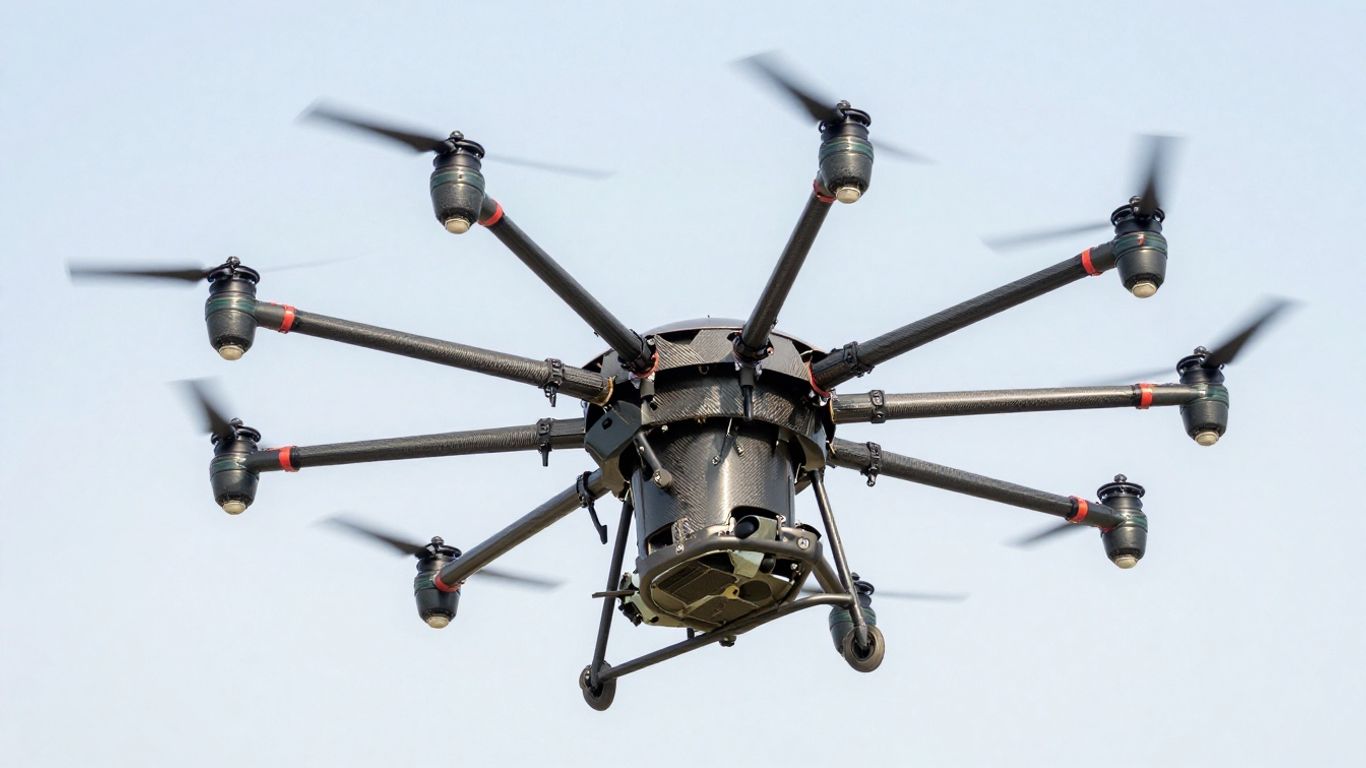
Precision engineering ensures that the weight-to-power ratio is fully optimized for flight times that extend well beyond standard industry benchmarks. Managing the power draw of sophisticated sensors required for professional flooring tools or other specialized gear integration is handled by an intelligent distribution board that prevents voltage sags during intensive maneuvers.
Propulsion system and flight efficiency metrics
| Feature | Performance Specification |
|---|---|
| Max Payload | 19.1 lbs |
| Max Speed | 56 MPH |
| Flight Time | 43 Minutes |
The propulsion system excels under load, utilizing high-efficiency motors to maintain consistent lift even in gusty wind profiles. This baseline performance allows users to calculate mission feasibility accurately before reaching the field site. Efficient power usage is achieved through meticulous motor management, which is vital for long-range inspections.
Battery management and power distribution architecture
Managing power distribution effectively extends the life of internal components by reducing the heat generated during extended operations. This architecture ensures that even when maximizing venture outcomes during risky deployment cycles, the drone maintains a balanced energy output. By closely monitoring cell voltages, the operator can make informed decisions about when to land, maximizing the effective life of the battery packs.
Flight controller compatibility and digital ecosystem
Integration with advanced controllers allows for a high degree of autonomy without sacrificing the manual control needed in emergency scenarios. The system is designed to communicate with a variety of software suites, facilitating smooth data handover between the flight controller and processing hubs. This connectivity ensures that mission parameters remain synchronized throughout the flight.
Payload integration and industrial applications
Transitioning between sensors should be a seamless experience, which is why the quick-mount interface is designed to support rapid swapping in the field. This capability is essential because operators often need to switch from a high-resolution camera to a lidar sensor without returning to the workshop to recalibrate the entire gimbal system.
Utilizing the quick-mount payload mounting system
The quick-mount interface is quite intuitive, allowing for a consistent and firm connection regardless of the specific accessory attached to the airframe. Operators should consider several factors when configuring their payload load-outs:
- Maintain current weight center of gravity for balance.
- Ensure sensor configuration files are updated on the controller.
- Inspect the mounting locks for debris after every flight.
- Verify gimbal compatibility with the latest firmware version.
Adopting these habits helps prevent downtime during critical data acquisition windows, significantly boosting the overall output of the aerial survey team.
Surveying and mapping sensor configurations
Mapping requires exceptional stability and reliable GPS positioning, which the platform delivers through advanced sensor fusion algorithms. Data accuracy depends on the quality of the imagery combined with geodetic positioning data captured during the flight, so managing these sensor configurations properly is a prerequisite for success. By using professional advertising strategies to reach the right project stakeholders, aerial surveying teams can showcase the precision of their collected data.
Enterprise inspection and lidar scanning capabilities
Lidar scanning creates detailed 3D models that are indispensable for analyzing topographic changes or site inventory, and the airframe manages this heavy data-gathering task with poise. Inspection teams find the stability of the platform invaluable when scanning challenging assets like power lines, where even minor motion blur can ruin the utility of the scan. When integrated into an AI digital workflow, these scans provide unmatched operational intelligence for project managers.
Operational workflow and the GS-ONE ground control station
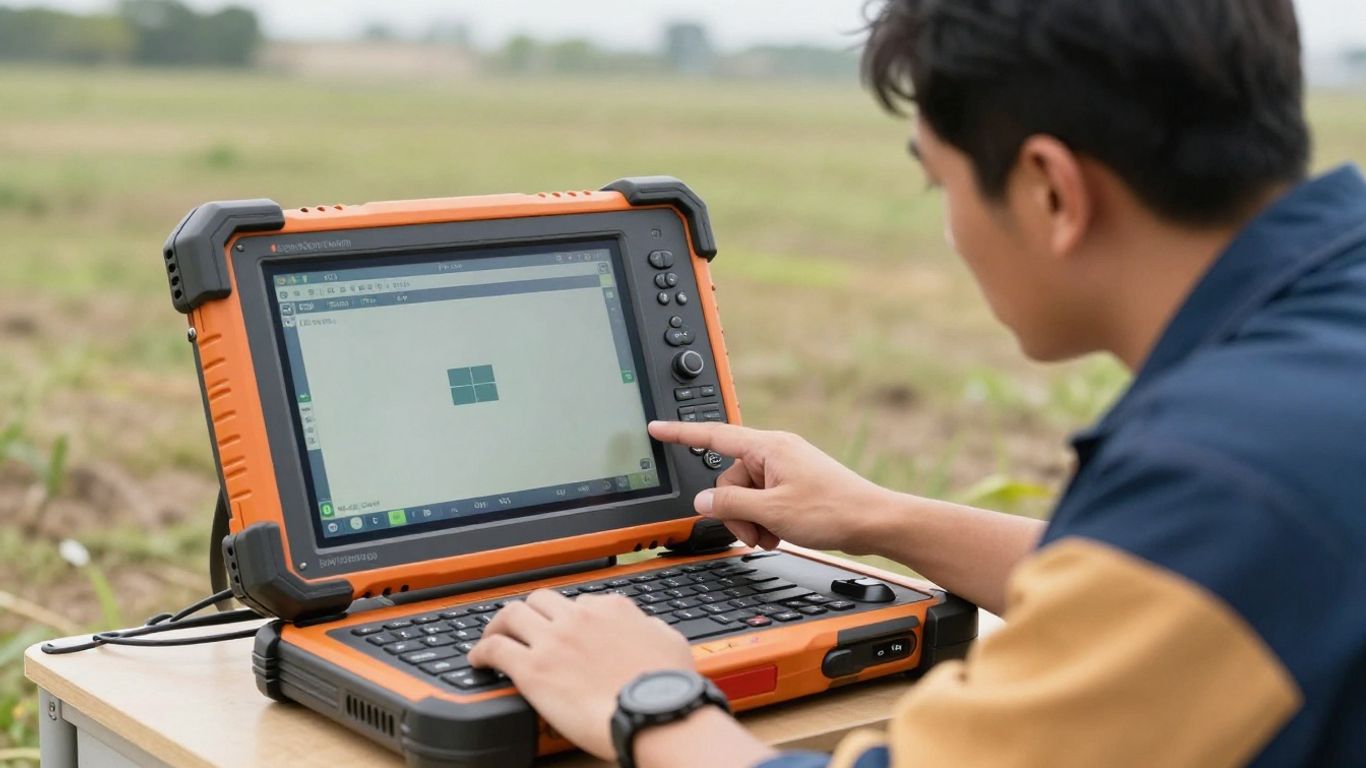
Effective workflows are driven by reliable ground control station performance, and the interface provided facilitates deep integration into the mission lifecycle. Proper planning minimizes the risk of signal loss and ensures that team members, from ground crew to lead analysts, remain aligned on the primary project objectives.
Streamlining mission planning and geofencing tasks
Planning your flight paths is made simple with the onboard software, which offers fine-grained control over mission parameters and geofencing boundaries. By defining zones where the drone is permitted to operate, pilots can focus on the critical task of maintaining a safe and stable flight path through the target area. This approach reduces the cognitive load on the pilot, resulting in more consistent flight paths.
Connectivity and data transmission stability
Clear communication between the drone and the ground controller is the backbone of mission safety, providing the pilot with real-time feedback. Utilizing high-gain antennas and optimized frequency hopping allows the system to remain connected even in environments cluttered with radio interference. This robustness is expected by modern inspection teams that operate in dense urban or industrial landscapes.
Interpreting real-time flight telemetry and diagnostic feedback
Telemetry data provides a window into the health of the aircraft while it is in the air, allowing operators to monitor battery temperature, motor RPM, and vibration levels. If the system detects a deviation from baseline performance, the diagnostic feedback warns the operator immediately, providing sufficient time to return to safety before an issue escalates into a failure.
Maintenance, safety, and regulatory compliance
Maintenance is not just about keeping the drone flying; it is about extending the lifespan of an expensive, high-performance asset through consistent, scheduled checks. By following the recommended cleaning and inspection cycles, teams protect their investment from premature mechanical wear.
Best practices for routine hardware inspections and motor maintenance
Keeping the hexacopter in peak condition requires a mixture of preventive and reactive cleaning, starting with the motor bearings and propeller blades. A simple inspection list helps maintain transparency across an entire fleet, ensuring that documentation of maintenance is always available for auditing purposes. > The most effective way to ensure longevity is to treat every post-flight inspection with the same level of care as a pre-flight checklist.
Firmware update protocols and system calibration
A disciplined approach to firmware updates ensures that the drone always runs the latest safety patches and performance enhancements provided by the manufacturer. Calibration steps, such as compass re-indexing after transportation, are simple but effective measures that preserve the integrity of the flight controller’s navigation systems.
Operating within FAA regulations and Part 107 requirements
Compliance is fundamental to the legitimacy of commercial aerial operations, and the platform assists by including built-in tools for reporting and verification. Pilots must remain aware of local regulations, weight limitations, and airspace classifications to ensure that every flight is legally conducted and fully documented within the required systems.
Comparing the IF1200A in the heavy-lift market
Choosing a platform in a crowded market requires looking past marketing claims toward real-world performance metrics. Enterprise users must evaluate not just the purchase price, but the total cost of ownership over several years, factoring in serviceability and technical support quality.
Evaluating cost-to-performance ratios for enterprise users
The longevity of a flight platform is often the most critical factor in achieving a positive return on investment, particularly when factoring in the cost of integrated sensor payloads. Investing in high-performance equipment that remains updated reduces the need for constant hardware turnover, providing a more stable budgetary outcome for fleet managers.
Serviceability and supply chain advantages of Inspired Flight Technologies
Access to a responsive, US-based support network ensures that if a system goes down, it can be repaired and returned to service quickly. Avoiding international logistics issues when ordering spare parts or seeking technical advice is a significant advantage that allows teams to maintain their schedules regardless of global supply chain instability.
Scalability strategies for fleet management and growth
As enterprise needs evolve, scaling the fleet from a single unit to a cohesive network requires a standardized approach to logistics and training. By deploying a uniform fleet, managers simplify maintenance protocols and ensure that pilots can transition easily between different aircraft within the same family of drones.
Conclusion
In conclusion, the hexacopter provides a reliable and modular solution for mission-critical operations where reliability and payload flexibility are paramount. By balancing mechanical excellence with responsive support, users can confidently deploy these systems across a wide range of industrial environments to achieve repeatable, high-accuracy results that drive operational efficiency.
Frequently Asked Questions
What are the primary benefits of a hexacopter design?
A hexacopter configuration offers redundancy in the propulsion system, allowing stable flight even if a single motor experiences failure during intense operation.
Can industrial drones be used in high-altitude environments?
Performance in thinner atmosphere necessitates adjustments to flight profiles and power management, though many professional platforms are capable of operation with proper pre-flight assessment and battery capacity planning.
How does firmware maintenance impact flight security?
Regular firmware updates ensure the craft incorporates the latest bug fixes, safety protocols, and performance optimizations required to operate safely in complex or rapidly changing environments.
Is payload swapping difficult for industrial drone missions?
Modern quick-mount systems allow trained operators to switch sensors efficiently, reducing idle time between varied task requirements like mapping versus thermal inspection.
Why is drone flight stability important for mapping?
Stable flight ensures that sensors capture consistent, high-fidelity data without interference from airframe jitter, which is critical for creating accurate 3D site models and topographic surveys.
What does remote telemetry diagnostics tell the pilot during flight?
Telemetry displays real-time health data including energy consumption levels, vibration profiles, and motor efficiency, allowing the pilot to make informed safety decisions while the craft is airborne.
How should an enterprise approach fleet standardization?
Standardizing a fleet involves using the same platform models across the board to streamline the storage of spare parts, simplify pilot training certification, and enable predictable operational performance across diverse project sites.