Master Your Skills: Comprehensive Drone Pilot Training for Certification

Thinking about getting your drone pilot certification? It’s a smart move if you want to fly drones for work or just to be more professional about it. There’s a lot to know, from the rules to how to actually fly the thing safely. This guide is all about drone pilot training and what you need to get that FAA certification, plus some tips for actually making a career out of it. Let’s get you up in the air.
Key Takeaways
- Drone pilot training covers everything needed to pass the Part 107 knowledge test, including regulations, airspace, and weather.
- Achieving FAA drone pilot certification requires understanding specific aviation rules and safety procedures.
- Beyond certification, practical skills and confidence are important for a successful drone career.
- Choosing the right training program involves looking at course content, instructor support, and satisfaction guarantees.
- Advanced drone pilot training can include mastering flight operations, aerial photography, and using intelligent flight modes.
Mastering The Part 107 Knowledge Test
Getting your FAA Part 107 Remote Pilot Certificate is the first big step to flying drones commercially. The knowledge test can seem a bit daunting at first, with all the talk of airspace, regulations, and weather. But don’t worry, it’s totally manageable with the right preparation. This test is designed to make sure you know how to fly safely and legally.
Comprehensive Curriculum For Drone Pilot Training
A good training program will break down the Part 107 material into easy-to-digest pieces. You’ll want to cover topics like:
- Understanding different types of airspace and how they affect your flight plans.
- Learning about weather phenomena that can impact drone operations.
- Knowing the rules and regulations for commercial drone use.
- Recognizing how to read aeronautical charts and understand NOTAMs (Notices to Airmen).
Engaging Video Lessons And Practice Exams
Watching videos can make learning much more interesting than just reading a manual. Look for courses that use clear visuals and real-world examples. Practice exams are also super important. They help you get used to the question format and identify areas where you need more study. Many programs offer unlimited practice tests, which is great for building confidence.
Expert Instruction And Support
Learning from people who actually fly drones for a living makes a big difference. They can share practical tips and insights that you won’t find in a textbook. Good instructors can explain complex topics in a way that makes sense, even if you haven’t studied aviation before. Some courses even offer access to private study groups where you can ask questions and get help from instructors and fellow students.
The Part 107 exam costs around $175 and is administered at FAA-approved testing centers. If you don’t pass on your first try, you’ll need to wait two weeks before you can take it again. So, studying well beforehand is definitely the way to go.
Achieving FAA Drone Pilot Certification
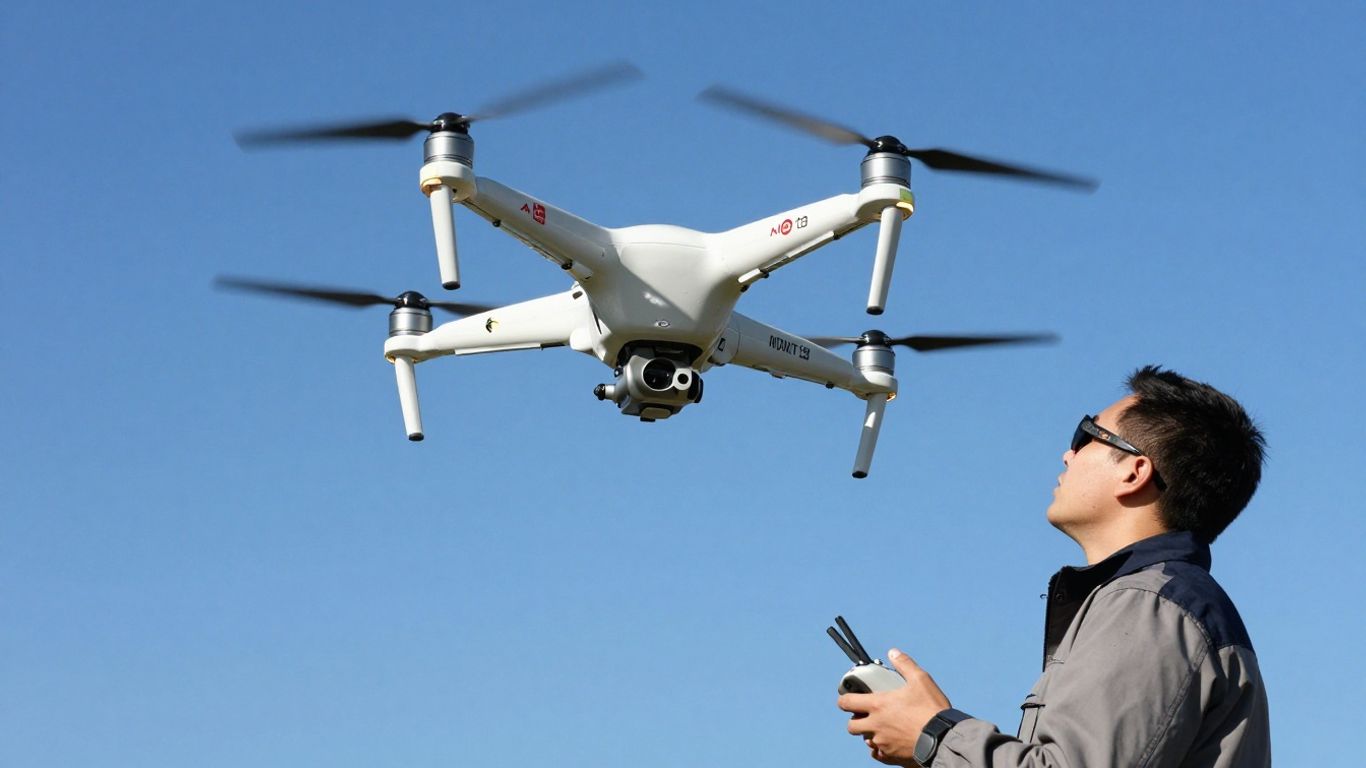
Getting your FAA Remote Pilot Certificate, often called the Part 107 license, is the official stamp of approval that lets you fly drones commercially. It’s not just a piece of paper; it shows you know the rules and how to fly safely. Think of it as your driver’s license for the sky. The process involves passing a knowledge test, and that’s where good training really makes a difference. You’ll need to show you understand a bunch of things before they let you fly for work.
Understanding Applicable Regulations
This is all about knowing the laws of the sky. The FAA has a whole set of rules, and you need to be familiar with them. This includes things like where you can and can’t fly, how high you can go, and what you need to do before you take off. It’s pretty detailed, covering things like:
- Rules about flying over people.
- Requirements for keeping your drone in sight.
- When you need to get special permission to fly.
- What to do if your drone malfunctions.
It’s really important to know these rules inside and out because breaking them can lead to fines or worse.
Navigating Airspace And Aviation Weather
Flying a drone isn’t just about pointing it up and going. You need to understand the different types of airspace and how they affect your flight. For example, you can’t just fly anywhere near an airport without permission. You’ll learn about controlled versus uncontrolled airspace and how to get authorization if you need it. Plus, weather plays a huge role. You’ll learn how wind, rain, fog, and even temperature can affect your drone’s performance and safety. Knowing how to check weather reports and interpret them for drone operations is key.
Emergency Procedures And Crew Resource Management
Even with the best planning, things can go wrong. This section covers what to do when an emergency happens. It might be a lost link, a sudden mechanical issue, or something else unexpected. You’ll learn about different emergency landing techniques and how to react quickly and calmly. Crew Resource Management (CRM) is also a big part of this. Even if you’re flying solo, CRM principles help you make better decisions by considering all the factors and communicating effectively if you have a visual observer or other crew members. It’s all about teamwork and good judgment, even when you’re the only one in the pilot’s seat.
The knowledge test covers a lot of ground, from regulations to weather to emergency situations. A good training program will break all of this down into manageable pieces, making sure you’re not just memorizing facts but actually understanding how they apply when you’re out flying.
Launching Your Drone Career
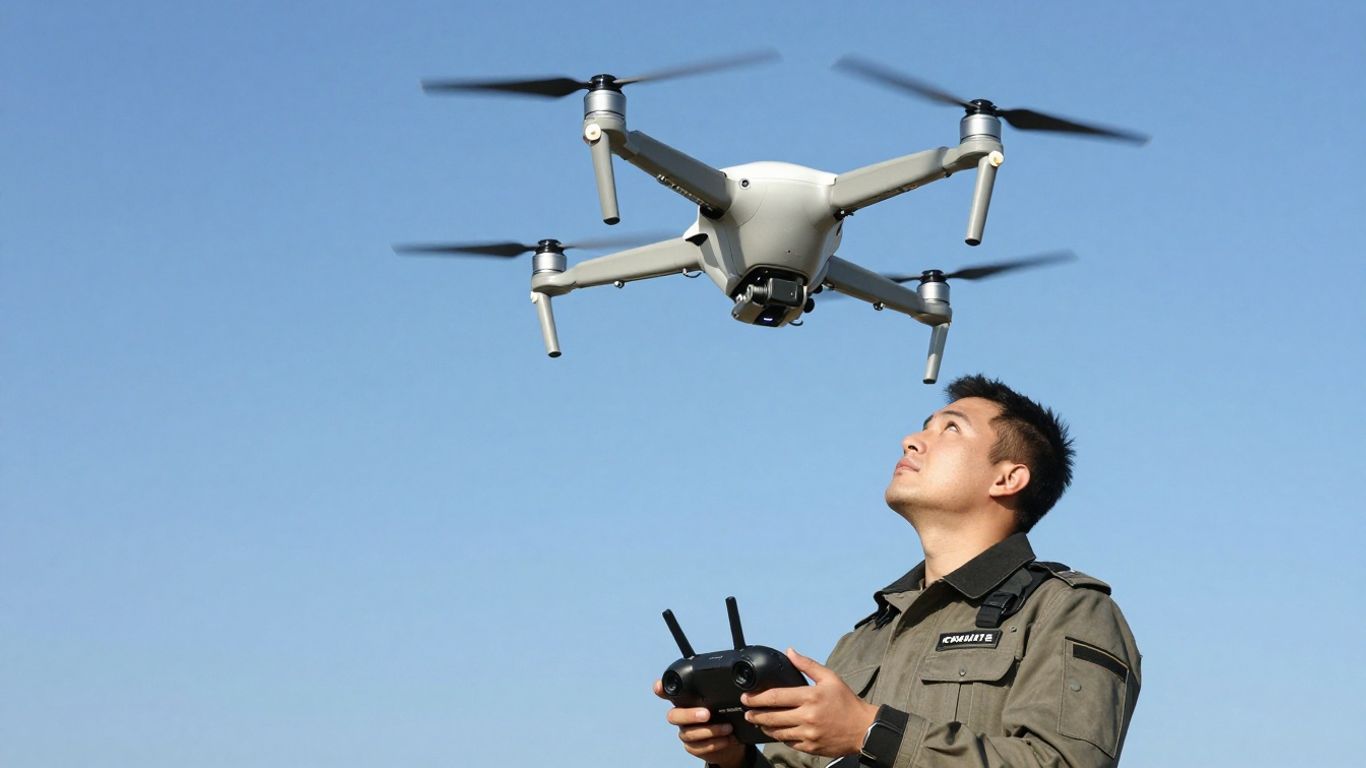
So, you’ve passed the Part 107 test and got that shiny new certification. That’s awesome! But honestly, the test is just the starting line. The real adventure begins now, figuring out how to actually make a living or build a solid side hustle with your drone skills. It’s not just about knowing the rules; it’s about putting that knowledge into practice and showing clients you’re the real deal.
Beyond Certification: Essential Drone Skills
Getting certified is a big step, but it doesn’t automatically make you a pro. Think of it like getting a driver’s license – you know the rules of the road, but you still need to practice driving in different conditions. For drone pilots, this means getting comfortable with more than just basic flight. You’ll want to build skills in areas like:
- Advanced Maneuvers: Practicing tricky flights, like flying close to structures or in tight spaces, builds confidence and capability.
- Data Management: Learning how to organize, process, and deliver the photos, videos, or data you collect is key for client satisfaction.
- Client Communication: Being able to clearly explain what you can do, set expectations, and deliver on promises makes a huge difference.
- Equipment Maintenance: Keeping your drone and its accessories in top shape means fewer surprises and more reliable flights.
Building Confidence For Professional Operations
Confidence doesn’t just appear overnight. It grows with experience. The more you fly, the more you learn how your drone handles in different weather, how to react when something unexpected happens, and how to manage your flight time effectively. It’s about trusting your training and your gear.
Don’t be afraid to start small. Take on simpler jobs first to build your portfolio and get a feel for real-world operations. Each successful flight, no matter how small, adds to your confidence and your list of accomplishments.
Leveraging Drone Pilot Training For Success
Your training program should give you more than just test prep. Look for programs that offer insights into the business side of things. This could include:
- Understanding Client Needs: Learning what different industries look for in drone services (e.g., real estate, construction, agriculture).
- Pricing Your Services: Figuring out how to charge fairly for your time and expertise.
- Marketing Yourself: Simple ways to get your name out there and find clients.
The goal is to turn your certification into a sustainable career path. This means continuously learning and adapting as drone technology and regulations evolve.
Choosing The Right Drone Pilot Training Program
So, you’ve decided to get certified as a drone pilot. That’s awesome! But before you jump into buying the first course you see, let’s talk about picking the right training program. It’s not just about passing a test; it’s about building a solid foundation for your future drone career. Think of it like picking the right tools for a job – you wouldn’t use a butter knife to cut down a tree, right?
Evaluating Course Content And Structure
When you’re looking at different courses, pay close attention to what they actually teach and how they teach it. A good program will cover all the FAA’s required topics, like airspace rules, weather, and safety procedures. But it’s not just a checklist. How is the information presented? Are there lots of dry text documents, or are there engaging video lessons? Some programs break down complex ideas into short, digestible videos, which really helps things stick. Look for courses that offer practice exams that mimic the real test, complete with explanations for why answers are right or wrong. This helps you learn from mistakes before the actual exam. A well-structured course will guide you step-by-step, building your knowledge logically.
Benefits Of Live Instruction And Community Support
While self-paced online courses are great for flexibility, don’t underestimate the power of live interaction. Some programs offer live Q&A sessions with instructors, which can be a lifesaver when you hit a tricky concept. Imagine being stuck on airspace regulations at 10 PM and being able to ask an expert the next morning. That’s huge. Also, consider the community aspect. Being part of a group of fellow aspiring pilots means you can share tips, ask questions, and even find study partners. This kind of support network can make a big difference in staying motivated and getting through the tougher parts of the training. It’s good to know you’re not alone on this journey.
Guarantees And Satisfaction Policies
Finally, let’s talk about guarantees. Many reputable drone pilot training programs offer some kind of pass guarantee. This usually means if you don’t pass the FAA Part 107 test after completing their course, you’ll get your money back or a free extension. It shows they’re confident in their training. Also, check out their satisfaction policies. Do they offer a refund if you decide the course isn’t a good fit within a certain timeframe? This is important because everyone learns differently. A free lesson preview is also a great way to test the waters before committing. It’s smart to look for programs that stand behind their product and want you to succeed, maybe even offering help with drone repairs if something goes wrong down the line expert drone repair services.
Advanced Drone Piloting Techniques
Mastering Flight Operations and Visual Observers
Once you’ve got your Part 107 certificate, it’s time to really get good at flying. This means understanding how to handle your drone in different situations, not just the easy ones. Think about flying near buildings or in areas with other aircraft. You need to know how to keep your drone steady and respond quickly if something unexpected happens. A big part of this is working with a Visual Observer (VO). They’re your eyes on the ground, helping you see things you might miss from the controller. A good VO can spot obstacles, people, or other aircraft, and communicate clearly with you. Effective communication between the pilot and VO is absolutely key to safe operations.
Here’s a quick rundown on VO responsibilities:
- Spotting potential hazards like trees, power lines, or other drones.
- Monitoring the drone’s flight path and altitude.
- Alerting the pilot to any changes in the environment.
- Keeping track of people or animals in the operational area.
Introduction to Aerial Photography and Videography
Flying a drone is one thing, but capturing amazing photos and videos from the air is a whole different skill. It’s not just about pointing the camera and shooting. You need to think about composition, lighting, and how to tell a story with your shots. Learning about different camera settings, like aperture and shutter speed, can make a huge difference in the quality of your footage. Many professional drone services use advanced equipment to get stunning aerial views. You’ll want to explore how to get those cinematic shots that really stand out, whether it’s for real estate, marketing, or just creating something beautiful. Getting good at this can open up a lot of opportunities, like working with premier drone photography services.
Utilizing Intelligent Flight Modes and Drone Insurance
Modern drones come with some pretty cool built-in features called intelligent flight modes. These can help you perform complex maneuvers with ease, like following a subject automatically or flying pre-programmed paths. Modes like ‘Point of Interest’ or ‘ActiveTrack’ can be incredibly useful for getting specific shots without needing to manually control every aspect of the flight. However, it’s important to remember that these are tools to assist you, not replace your piloting skills. Always maintain situational awareness. Also, don’t forget about drone insurance. While not always required by the FAA for Part 107, it’s a smart move for any professional pilot. Accidents can happen, and having insurance can protect you from costly repairs or liability claims. It gives you peace of mind when you’re out flying for clients.
Flying a drone professionally involves more than just passing a test. It requires continuous learning, practicing advanced techniques, and understanding the risks involved. Being prepared with skills, communication, and protection like insurance will set you up for success in the drone industry.
Ready to Fly?
So, you’ve learned a lot about what it takes to become a certified drone pilot. It might seem like a lot at first, but remember, with the right training, it’s totally doable. Think of all the cool things you can do once you have that certification – from taking amazing aerial photos to starting a new career. Don’t let the test get you down; there are plenty of great courses out there designed to help you pass. Just pick one that fits how you learn best and get started. Your drone adventure is waiting!
Frequently Asked Questions
What is the Part 107 test and why do I need it?
The Part 107 test is like a special exam given by the FAA, which is the government agency that handles flying. If you want to fly a drone for work or to make money, you need to pass this test. It shows you know the rules of flying safely and legally. Think of it as getting your driver’s license, but for drones!
How long does it take to get ready for the Part 107 test?
Most people can get ready for the test in about 15 to 20 hours of studying. This might seem like a lot, but it’s spread out over a few weeks. You can learn at your own speed, watching videos and taking practice quizzes until you feel super confident.
What kind of things will I learn in a drone pilot training course?
You’ll learn all sorts of important stuff! This includes the rules for flying, how to understand weather for flying, what to do if something goes wrong, and how to be a good pilot. You’ll also learn about different types of drones and how to take awesome pictures and videos from the sky.
Can I really pass the test the first time I take it?
Yes, you totally can! Many courses are designed to help you pass on your very first try. They offer tons of practice questions that are just like the real test, and they explain why the right answers are correct. Plus, some courses even offer a guarantee, so if you don’t pass, you get your money back.
What if I need help while studying?
Don’t worry, you won’t be alone! Good training programs have experts you can talk to. You can often email them, call them, or even join live online classes where you can ask questions. There are also often online groups where you can chat with other students.
What happens after I get my drone pilot certification?
Once you’re certified, you can start using your drone for jobs! This could mean taking pictures for real estate, making videos for events, or even helping with inspections. The training also gives you skills for flying professionally, so you can feel ready for any job that comes your way.