
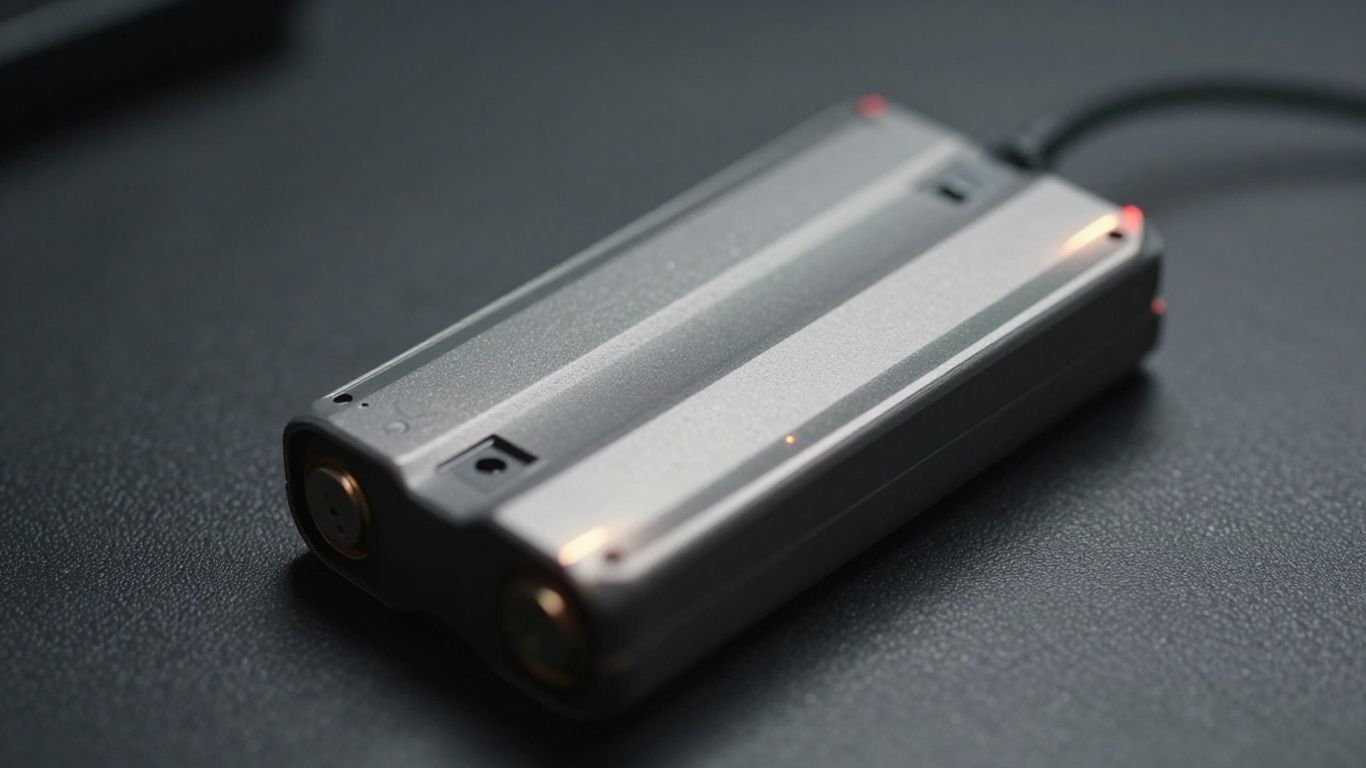
Drone Battery Safety: What You Need to Know

Keeping your drone batteries in good shape is key to safe and long flights. Here are the main things to remember to avoid issues and get the most out of your batteries.
Key Takeaways
- Always use the right charger for your drone battery and charge them on a safe surface.
- Store batteries at about 40-50% charge if you won’t use them for a while, and keep them cool and dry.
- Never leave a battery charging unattended, and let it cool down before charging after a flight.
- Avoid flying until the battery is almost completely dead; land when it’s around 15-20% to prevent damage.
- If a battery looks swollen, discolored, or leaks fluid, stop using it immediately and dispose of it properly.
Understanding Your Drone Battery
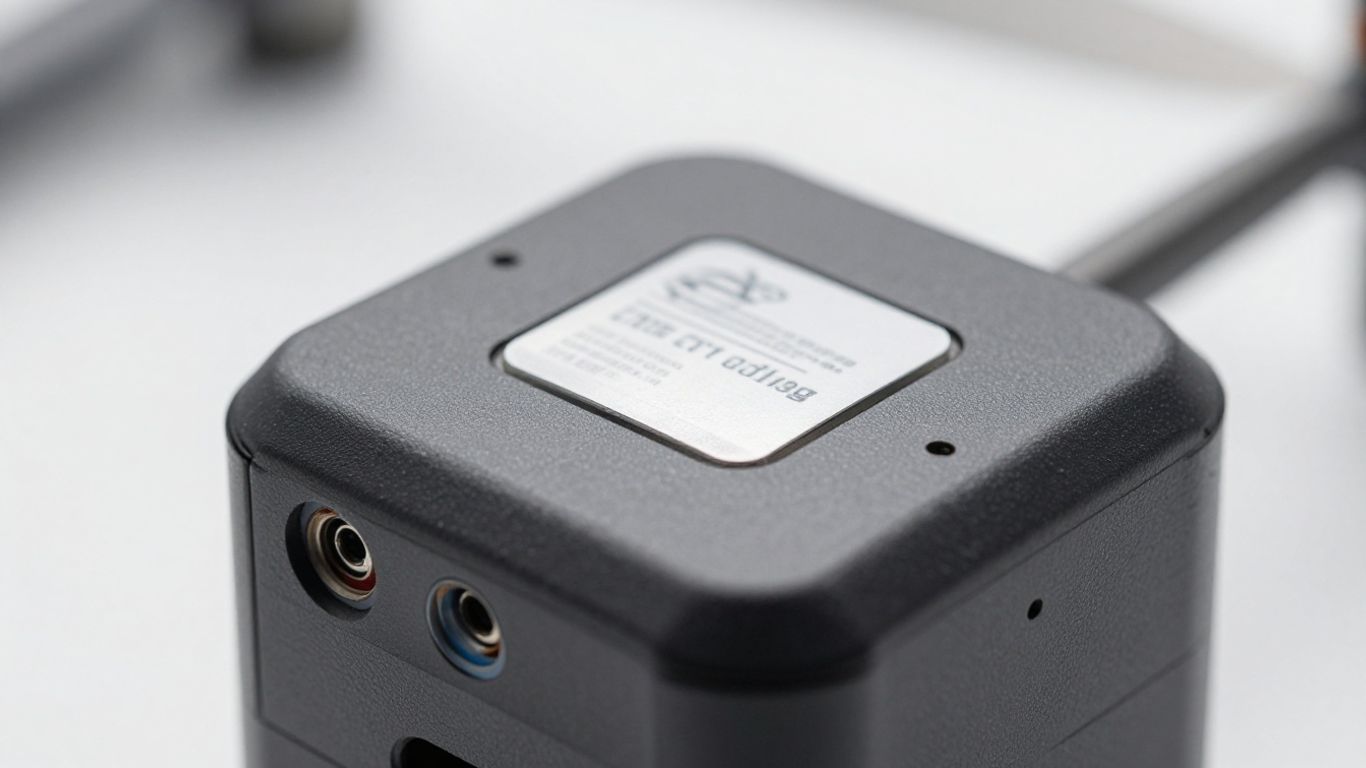
So, you’ve got a drone, and you’re probably excited to get it up in the air. But before you do, let’s talk about the heart of your machine: the battery. It’s not just a power source; it’s a complex piece of tech that needs a little respect to keep flying safely and for a good long while. Think of it like the engine in a car – you wouldn’t just ignore it, right?
How Drone Batteries Function
At its core, any battery has three main parts: a positive end (cathode), a negative end (anode), and something in between called an electrolyte. This electrolyte is what lets the tiny charged particles, ions, move back and forth. When you’re using your drone, ions flow one way. When you charge it up, that flow reverses. Simple enough, but how this happens is key to battery health.
Lithium-Ion vs. Lithium-Polymer
Most drones today use either Lithium-Ion (Li-ion) or Lithium-Polymer (Li-Po) batteries. Li-ion batteries are a bit older, generally heavier, but tend to be more stable and can offer a better lifespan. Li-Po batteries, on the other hand, are often lighter and can be made in more flexible shapes, which is great for drone design. They’re common in newer devices. The main difference is the electrolyte: Li-ion uses a liquid solution, while Li-Po uses a gel-like polymer. Knowing which type you have helps with understanding its specific needs, especially when it comes to charging and storage. For more on battery types, check out this info on Lithium-ion batteries.
The Importance of Battery Maintenance
Ignoring battery maintenance is a fast track to shorter flight times, reduced performance, and, worst of all, potential safety hazards. We’re talking about things like batteries swelling up, getting excessively hot, or even, in rare cases, catching fire. Proper care isn’t just about squeezing out a few extra minutes of flight; it’s about reliability and preventing preventable damage. This includes following drone battery charging best practices, understanding how to extend your drone battery lifespan tips, and knowing the basics of preventing drone battery fires. It also means knowing about safe drone battery disposal when they’re finally done.
- Avoid deep discharges: Never let your battery drain completely to 0%. Most smart batteries will warn you around 15-20%, and you should land and recharge then. Repeatedly draining to zero causes irreversible damage.
- Don’t store at 100%: If you’re not going to use the battery for a few days or more, discharge it to about 40-50%. Storing them fully charged speeds up their degradation.
- Let them cool down: Always let your battery cool off after a flight before you start charging it. Charging a hot battery can cause damage and increase risks.
Taking care of your drone battery is not just about keeping your drone flying longer; it’s a critical aspect of safe operation. A damaged or poorly maintained battery can lead to unexpected failures during flight, posing a risk to your equipment and surroundings.
Safe Charging Practices
Charging your drone battery is a critical step, and doing it wrong can lead to a shorter lifespan or, worse, a safety hazard. It’s not just about plugging it in; there are some definite best practices to follow to keep your batteries healthy and your flights safe. Think of it like giving your drone a good meal – you want to make sure it’s nutritious and not something that will make it sick.
Using Compatible Charging Equipment
This is probably the most important rule. You absolutely need to use the charger that came with your drone or one that’s specifically designed for your battery type and model. Using a generic or incompatible charger is a recipe for disaster. These chargers might not deliver the correct voltage or current, leading to uneven cell charging, overheating, or even permanent damage. Always double-check that your charger is a perfect match for your battery. It might seem like a small detail, but it makes a huge difference in battery performance and longevity. For example, using the right charger can help prevent issues like battery swelling, which is a common sign of trouble.
The Benefits of Balance Charging
Most modern drone batteries, especially Lithium Polymer (LiPo) types, have multiple cells. Balance charging is a technique where the charger ensures each cell in the battery pack receives an equal amount of charge. Why is this so important? Well, if one cell gets overcharged while others are undercharged, it puts a lot of stress on the pack. This imbalance can reduce the battery’s overall capacity, shorten its lifespan, and increase the risk of failure. A good balance charger will monitor each cell individually and adjust the charge accordingly. It takes a little longer than a standard charge, but the benefits for battery health are well worth the wait.
Avoiding Overcharging and Fast Charging
Leaving a battery plugged in long after it’s full is a common mistake. While many modern chargers have overcharge protection, it’s still best practice to disconnect the battery once it’s fully charged. Batteries don’t like sitting at 100% for extended periods; it can accelerate their degradation. Similarly, while fast charging might be tempting when you’re eager to fly, it’s often harder on the battery. Aggressive fast charging can generate more heat and stress the internal components. Unless your battery and charger are specifically designed for high-speed charging and you’re monitoring it closely, it’s generally better to opt for a slower, more controlled charge. This helps maintain the battery’s capacity over time and reduces the chances of overheating.
Here’s a quick rundown of what to look for in a charger:
- Compatibility: Matches battery type (LiPo, Li-ion), voltage, and capacity.
- Safety Features: Overcharge protection, temperature monitoring, short-circuit prevention.
- Balance Charging Capability: For multi-cell batteries.
- Clear Display: Shows charging status, voltage, and cell balance.
Charging your drone battery correctly is more than just a routine; it’s a proactive step in ensuring the safety and reliability of your equipment. Paying attention to these details can prevent common issues and keep your drone ready for its next mission.
Optimal Storage Guidelines
Proper storage is key to keeping your drone batteries healthy and ready for flight. It’s not just about tossing them in a drawer; there’s a bit more to it if you want them to last.
Ideal Storage Voltage Levels
Leaving your batteries fully charged for extended periods, like weeks or months, puts a lot of stress on them. This can speed up aging and even lead to swelling. On the flip side, letting them sit completely drained is also bad news and can cause permanent damage. For Lithium-Ion and Lithium-Polymer (LiPo) batteries, the sweet spot for storage is usually around 3.75V to 3.85V per cell. Many smart batteries will auto-discharge to a safe level, often around 60-65%, but it’s still good to know what’s happening. If you’re using traditional LiPos, a charger with a dedicated storage mode is a lifesaver here.
Protecting Batteries from Environmental Factors
Think of your batteries like you would sensitive electronics. They don’t like extreme temperatures. Keep them away from direct sunlight, hot car interiors, or freezing conditions. A cool, dry place is best. Also, make sure they aren’t just rattling around loose with other metal objects, which could cause a short circuit. Keeping them in a dedicated case or bag helps prevent accidental damage and keeps them organized.
Utilizing Fire-Resistant Storage Solutions
While not always mandatory for every battery, using fire-resistant storage solutions is a smart move, especially for traditional LiPo packs. These can include LiPo-safe bags or specialized battery storage boxes. They’re designed to contain a fire if a battery does malfunction, preventing it from spreading to other materials. It’s an extra layer of safety that provides peace of mind, particularly if you store multiple batteries together. Remember to always store batteries away from flammable items, just in case.
Good battery habits, including proper storage, are what keep flights safer and more predictable over time. It might not be the most exciting part of drone ownership, but it’s definitely one of the most important for protecting your gear and ensuring reliable performance.
In-Flight Battery Management
Keeping an eye on your drone’s battery while it’s actually flying is super important. It’s not just about getting that extra minute of footage; it’s about safety and making sure your drone doesn’t suddenly decide to take an unplanned trip to the ground. Think of it like managing your phone’s battery – you don’t want it to die unexpectedly, right? Drones are a bit more serious, though.
Understanding Discharge Limits
Every battery has a limit to how much power it can safely give up before it gets stressed. For traditional Lithium Polymer (LiPo) batteries, pilots often aim to land when each cell is around 3.5 volts while the drone is still under load. Pushing past this point, trying to squeeze out every last bit of juice, is a common way batteries get worn down faster than they should. It can permanently reduce their capacity, meaning they won’t hold as much charge over time. For those flying non-DJI drones, understanding these limits is key to maintaining performance, especially if you’re looking at options that need to comply with NDAA regulations.
Recognizing Signs of Over-Discharge
So, what happens if you do push it too far? Over-discharging is basically draining the battery beyond its safe operating voltage. For smart batteries, the drone’s software usually steps in with warnings or even forces a landing to prevent this. But even with smart systems, repeatedly pushing the battery to its absolute limit is still a form of wear and tear. With older or non-smart batteries, you might not get as many warnings. You might notice the drone’s performance dropping off suddenly, or the motors might start to sound strained. Ignoring these signs is a fast track to damaging your battery.
Smart Battery Features for Flight
Modern drones often come with "smart batteries." These are pretty neat because they have built-in processors that communicate with the drone. They can tell you exactly how much charge is left, how many times they’ve been used (cycle count), and even their temperature. Many smart battery systems will actively manage discharge rates and give you clear warnings when it’s time to land. Some might even automatically initiate a return-to-home sequence if the battery gets too low. While these features are helpful, they aren’t a magic bullet. You still need to pay attention to the warnings and land when prompted. It’s a partnership between the technology and the pilot.
Drone batteries are high-stress components, not just accessories. Treating them with care during flight, by respecting discharge limits and responding to warnings, directly impacts their lifespan and your drone’s overall safety. Don’t treat that "low battery" warning as a suggestion; it’s a critical instruction.
Here’s a quick rundown of what to watch for:
- Sudden loss of power: If the drone feels sluggish or loses altitude unexpectedly.
- Erratic flight behavior: The drone might become unstable or harder to control.
- Warning lights or app notifications: Always heed these alerts from your drone’s system.
- Unusual sounds: Motors sounding strained or different than usual.
Identifying and Handling Damaged Batteries
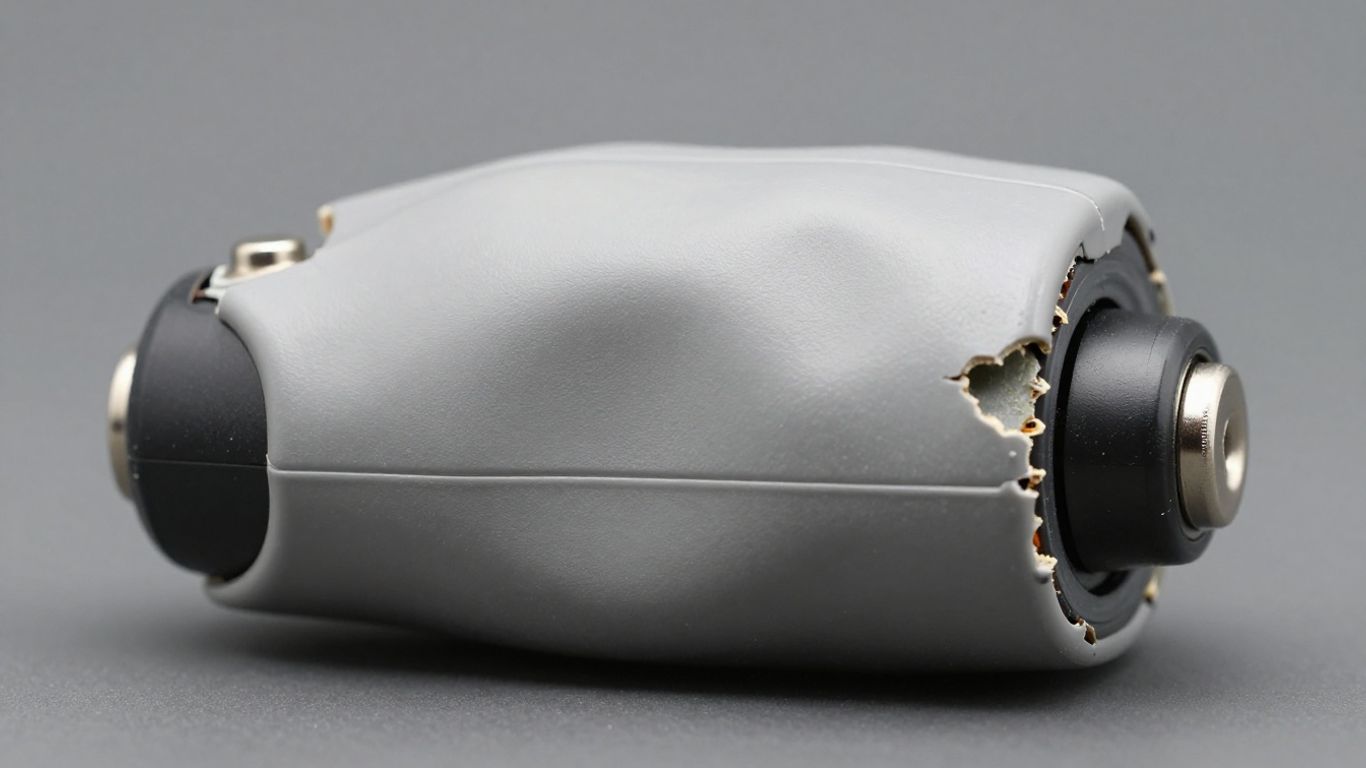
Look, nobody wants to deal with a damaged drone battery. It’s a bummer, especially after a rough landing or a crash. But knowing what to look for and what to do is super important for your safety and to prevent bigger problems. These batteries pack a lot of power, and when they get damaged, that power can become a hazard.
Common Indicators of Battery Damage
So, what exactly should you be keeping an eye out for? It’s not always obvious, but there are a few tell-tale signs. The most common one you’ll see is swelling. If your battery looks like it’s puffing up, like a balloon that’s a bit too full, that’s a big red flag. This usually happens because gases are building up inside the battery, which is a sign of internal damage. You might also notice discoloration on the battery terminals, or if you’re really unlucky, you might see signs of battery fluid leakage. These issues often pop up after a hard impact, but sometimes they can develop over time with regular use and charging.
Here are some things to check:
- Physical Swelling: The battery casing looks bloated or puffy.
- Discoloration: Noticeable color changes on the battery’s metal contacts or casing.
- Leakage: Any sign of liquid seeping from the battery.
- Unusual Heat: The battery gets excessively hot during charging or storage, even when not in use.
- Sudden Runtime Loss: A significant and unexplained drop in how long the battery lasts on a single charge.
Immediate Actions for Suspected Damage
If you spot any of these signs, the absolute first thing you need to do is stop using the battery immediately. Don’t even think about trying to charge it or fly with it. Seriously, don’t. Trying to use a damaged battery is like playing with fire – it could leak, overheat, or even explode. Instead, you need to isolate it. The best way to do this is to place the suspect battery in a fire-resistant container or a specialized LiPo safety bag. This helps contain any potential fire or explosion. If you’re planning on getting new gear, remember that starting December 23, 2025, new DJI drones won’t be approved for sale in the US, so it’s a good time to look at alternative drone brands.
Proper Disposal of Old Batteries
Once a battery is damaged, it can’t just go in the regular trash. You need to dispose of it properly. Most areas have specific drop-off points or recycling centers that handle hazardous waste like lithium batteries. Before you take it in, it’s a good idea to fully discharge the battery. A common method is to submerge it in saltwater for about 12 hours, but always check local regulations for the safest and most compliant disposal methods. A swollen drone battery needs careful handling from the moment you notice it until it’s safely disposed of.
Never attempt to repair a damaged drone battery yourself. The internal chemistry is volatile, and tampering with it can lead to dangerous situations. Always prioritize safety and follow recommended disposal procedures.
Travel Considerations for Drone Batteries
Taking your drone on the go? Traveling with drone batteries requires a bit of planning to keep them safe and compliant with regulations. Always check with your specific airline for their most current policies, as these can change. Generally, lithium-ion and lithium-polymer batteries are considered hazardous materials, so there are rules about how they can be transported.
Airline Regulations for Battery Transport
When flying, drone batteries must typically be packed in your carry-on luggage, not in checked baggage. This is a safety measure in case of a thermal event. Most airlines limit the Watt-hour (Wh) rating of batteries you can bring. For example, many allow batteries up to 100Wh without special approval, while those between 100Wh and 160Wh might require airline permission. Batteries over 160Wh are usually prohibited.
- Carry-on only: Batteries must be in your carry-on bag.
- Watt-hour limits: Be aware of the Wh limits set by the airline.
- Quantity limits: There might be a limit on the number of spare batteries you can carry.
Secure Battery Packaging for Travel
Proper packaging is key to preventing accidental short circuits and damage. It’s a good idea to store batteries in their original packaging or in individual, protective cases. If you’re not using original packaging, consider using fire-resistant battery bags, especially for spare batteries. This adds an extra layer of safety, particularly if you’re transporting multiple packs. Make sure any exposed terminals are covered to prevent them from touching.
Maintaining Batteries During Extended Trips
If your trip is long, you’ll need to think about how to store your drone batteries properly while you’re away. If you won’t be using them for more than a few weeks, it’s best to store them at a partial charge, around 40-60%. This is often referred to as storage voltage. Leaving them fully charged for extended periods can degrade their capacity over time. If you’re unsure about how to store drone batteries, aim for that middle ground. Remember to periodically check on them and top them up if needed, especially if you’re gone for months. This helps prevent deep discharge, which can permanently damage the battery. For more information on battery care, you might find resources on drone battery maintenance helpful.
Conclusion
Taking care of your drone batteries isn’t the most exciting part of flying, but it’s super important. Good habits protect your gear, make your flights more reliable, and help you avoid problems down the road. Your drone might have all the fancy tech, but none of it works without a good battery. So, pay attention to how you charge, store, and use your batteries. It’s the key to safer, smoother flights every time.
Frequently Asked Questions
Can I use any charger for my drone battery?
It’s best to stick with the charger that came with your drone or one specifically recommended by the manufacturer. Using the wrong charger can mess up how the battery cells charge, leading to problems or even damage over time.
Is it okay to leave my drone battery plugged in all the time?
Nope, not really, especially for LiPo batteries. Leaving them fully charged for long periods puts stress on them and can make them age faster or even swell up. It’s better to charge them closer to when you plan to fly.
How do I know when my drone battery is getting old?
You’ll notice a few things. Your drone won’t fly for as long as it used to, the battery might feel unusually warm, or it might even start to look a bit puffy or swollen. If you see any of these signs, it’s time to think about replacing it.
What’s the deal with ‘balance charging’?
Balance charging is a way to make sure all the individual cells inside your battery get charged up evenly. This helps the battery last longer and perform better. Most smart chargers have a balance mode.
Can I take my drone batteries on an airplane?
Yes, usually, but there are rules. Most airlines want you to carry batteries in your carry-on bag, not in checked luggage. There are also limits on battery size (measured in Watt-hours), so it’s always a good idea to check the airline’s specific rules before you fly.
What should I do if my battery starts to swell?
If you see your battery puffing up, stop using it right away! Swelling means there’s likely internal damage. Don’t try to charge it or fly with it. You’ll need to find a safe way to dispose of it, usually at a special recycling center.