Shhh! Making Drones Quieter

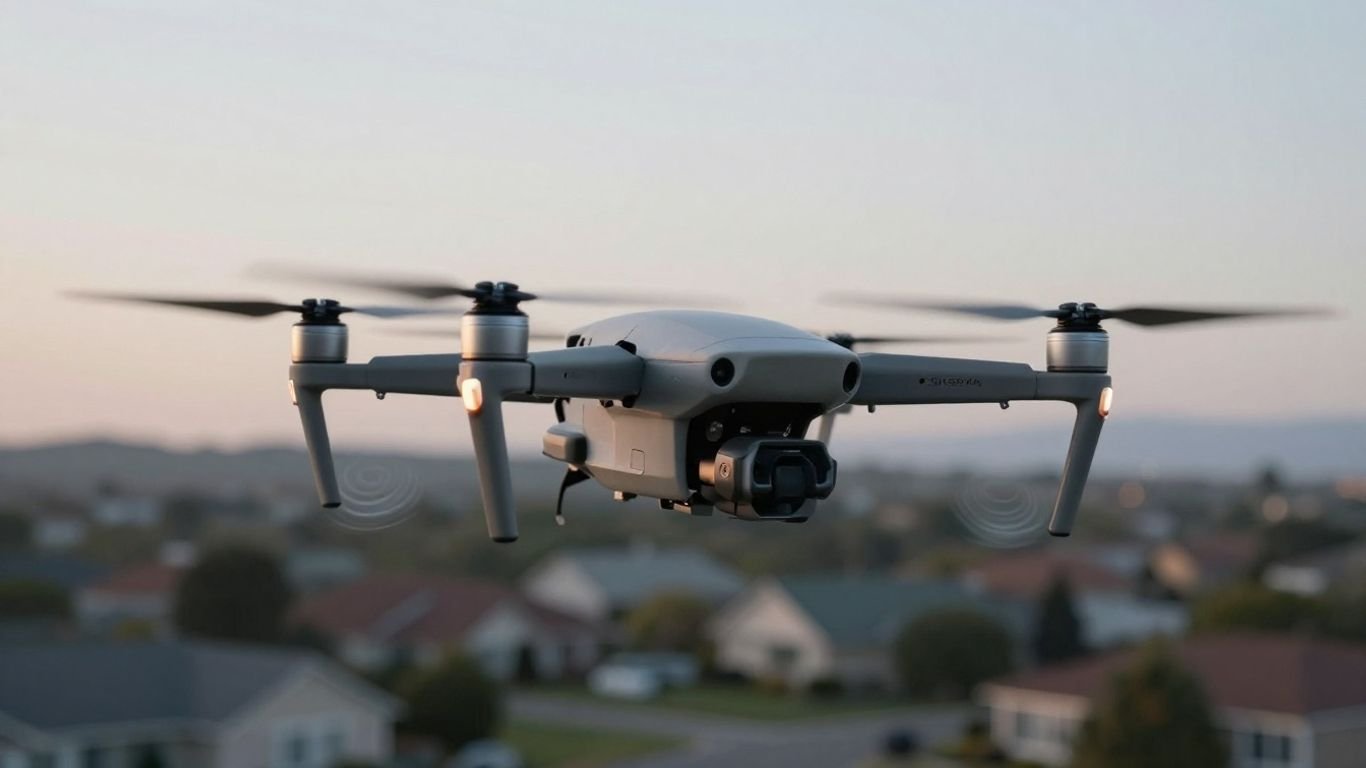
The quest for quieter drones is leading to some really interesting innovations. By looking at nature and developing new tech, we’re getting closer to drones that are much less noisy. Here are the main things to remember about this effort:
Key Takeaways
- Nature, like owls, provides blueprints for silent flight, inspiring drone design.
- New propeller designs, like Whisper Aero’s ducted fans, create sounds humans can’t hear.
- Advanced flight controls help reduce noise from air moving around the drone.
- Quieter drones can be used for more sensitive tasks like surveillance and won’t bother animals as much.
- This technology could lead to quieter air taxis and other advanced flying machines in the future.
Nature’s Blueprint For Silent Flight
The Great Horned Owl Program’s Inspiration
Ever notice how some things in nature just seem to glide by without a sound? The military is definitely taking notice. They’ve got this program, the Great Horned Owl Program, all about making drones as quiet as their namesake bird. It’s pretty wild to think that something designed for surveillance needs to be stealthy, but it makes sense. If a drone is too loud, everyone knows it’s there, and that kind of defeats the purpose for intelligence gathering, right? They want these unmanned aerial vehicles (UAVs) to be practically invisible acoustically.
NASA’s Feathered Research
It turns out, we’re not the only ones looking to birds for quiet flight secrets. NASA has also been studying owls, specifically their feathers. Apparently, the unique structure of owl feathers breaks up the air turbulence that usually causes noise. It’s like they have built-in silencers. This research isn’t just for military applications; it could lead to quieter airplanes and helicopters for everyone. Imagine flying without that constant engine roar. It’s all about understanding how nature solves problems, and owls have clearly mastered the art of silent flight.
Bio-Inspired Drone Design
So, how do we translate owl feathers and silent flight into drone technology? It’s a complex puzzle. Researchers are looking at several key areas. For starters, they’re examining the physical structure of owl feathers to see if similar materials or designs can be applied to drone propellers. Another angle is looking at how owls’ wings interact with the air to minimize drag and noise. It’s not just about making the propellers themselves quieter, but also about how the entire drone moves through the air. This bio-inspired approach is leading to some really interesting concepts for future drone designs, aiming for that elusive quiet operation. It’s a fascinating field, and you can see how this could change everything from drone delivery to wildlife monitoring.
Revolutionary Propeller Technology
Whisper Aero’s Ducted Jet System
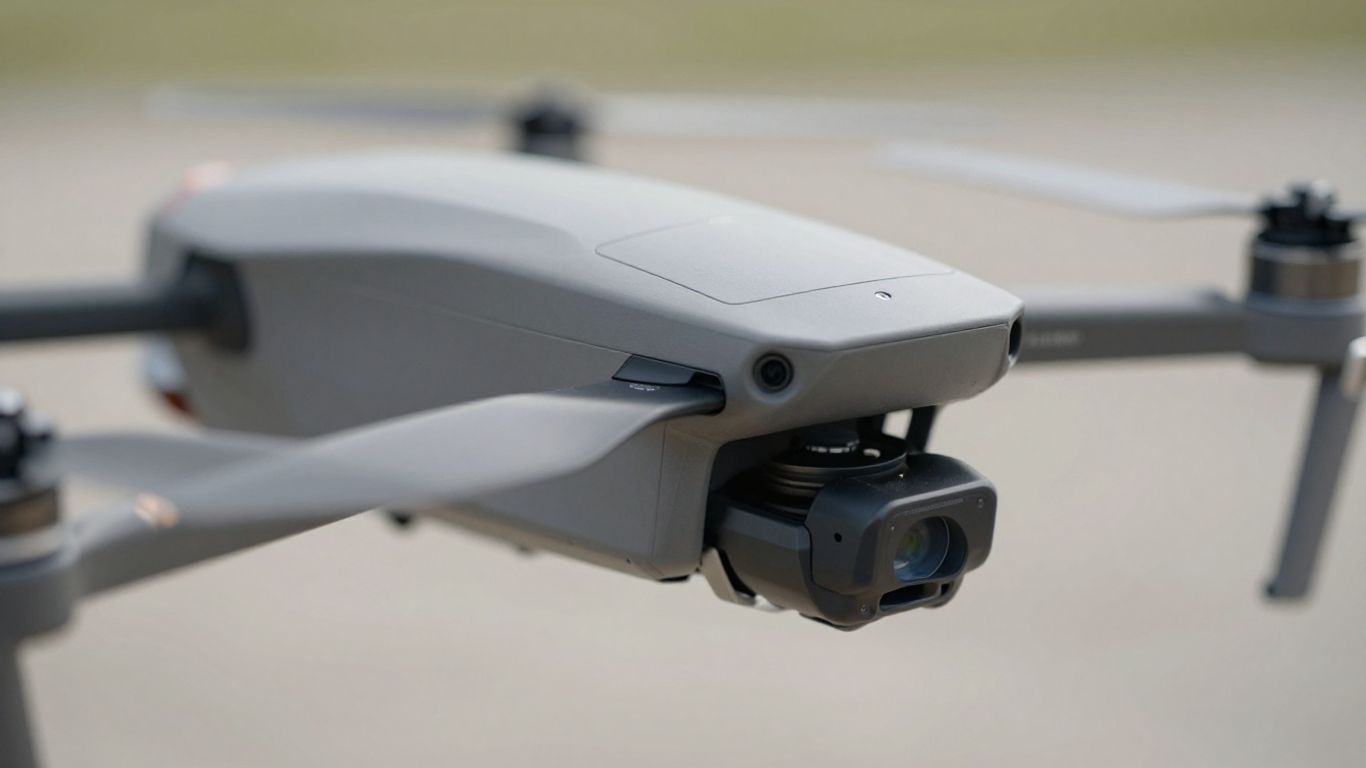
Forget the annoying buzz you associate with drones. Companies like Whisper Aero are rethinking propeller design from the ground up. They’ve developed an electric ducted jet system that’s incredibly efficient and, get this, radically quieter. Imagine a fan with a whole bunch of strong blades packed together, spinning at a steady pace. This setup can create sound frequencies way above what humans can hear, making it practically silent to us. Even dogs, which have much better hearing than we do, don’t seem to react to it. This is a big deal for making drones less intrusive.
High-Frequency Blade Design
So, how do they make these things so quiet? It’s all about the blades. Instead of a few wide blades, think of many thinner, stiffer ones working together. This design allows the fan to spin at a higher frequency. This higher frequency pushes the sound it makes into a range that our ears just can’t pick up. It’s like tuning a radio to a station that’s not broadcasting – you don’t hear anything. This approach is a game-changer compared to traditional open propellers, which tend to be much louder and produce sound in frequencies we easily detect. It’s a clever way to hide the noise.
Inaudible to Human Ears
When you compare these new systems to what’s out there now, the difference is pretty stark. Whisper Aero claims their fans can be anywhere from 100 to 1,000 times quieter than standard drone propellers. That’s not a small difference; it’s a massive leap. For context, a 10-decibel drop in sound is perceived as being twice as quiet. These new designs aim for much bigger reductions, often pushing the noise output into the ultrasonic range. This means you could have drones flying overhead without that familiar, irritating drone sound. It’s a significant step towards making aerial technology more acceptable in populated areas and sensitive environments. For professional drone pilots looking for quieter options, this is definitely something to watch [62d1].
| Feature | Whisper Aero Fan | Typical Drone Propeller |
|---|---|---|
| Sound Frequency | Inaudible (ultrasonic) | Audible |
| Perceived Loudness | Extremely low | High |
| Dog Reaction | None observed | Often reactive |
Quantifying Drone Propeller Noise Reduction
So, how do we actually measure how much quieter these new drone propellers are? It’s not just about saying "it’s quiet." We need numbers, right? Think about it like this: a loud drone can really ruin the vibe, whether you’re trying to enjoy a hike or get some work done. Reducing drone sound is becoming a big deal.
Whisper Fan’s Decibel Performance
Companies like Whisper Aero are making some serious claims about their technology. They’ve developed a ducted fan system that’s designed to be incredibly quiet. Their tests show that their fan can become inaudible from about 200 feet away if the background noise is around 30 decibels – that’s basically the sound of a whisper. This level of quiet is a game-changer for many applications.
Comparison to Commercial Drones
When you stack up Whisper Aero’s tech against what’s out there now, the difference is pretty wild. They report their system is anywhere from 100 to 500 times quieter than other ducted fans and a staggering 100 to 1,000 times quieter than standard open propellers. That’s a huge leap in reducing drone sound.
| Technology Type | Relative Quietness |
|---|---|
| Whisper Fan | 100-500x quieter than ducted fans |
| Whisper Fan | 100-1,000x quieter than open propellers |
The Impact of Sound Intensity
It’s easy to just say "quieter," but understanding decibels helps. A 10-decibel difference isn’t just a little bit quieter; it’s a tenfold increase in sound intensity, which often means it sounds twice as loud to us. So, when we’re talking about these massive reductions, we’re talking about a significant drop in perceived noise. This is key for making drones more acceptable in populated areas and for sensitive environments. For those looking into advanced drone options, considering American-made drones might be a good idea for supply chain security and reliability [be96].
The goal isn’t just to make drones less annoying. It’s about enabling new uses where noise is a major barrier. Think about wildlife monitoring or even just operating drones in urban settings without causing a disturbance. The push for quieter drone propellers is driven by practical needs and a desire for better integration into our daily lives.
Advanced Flight Control Systems
Even with quieter propellers, the way a drone moves through the air creates its own sound. Think of it like a car – a quiet engine is great, but if the tires are roaring on the pavement, you’re still going to hear it. Flight control systems are getting smarter about how they manage airflow, which is a big deal for reducing that airflow noise.
The goal is to make the drone’s movement itself less audible. This involves fine-tuning how the drone accelerates, decelerates, and turns. Instead of abrupt changes that can create turbulence and noise, advanced systems aim for smoother transitions. This is especially important for missions where staying undetected is key, like in intelligence, surveillance, and reconnaissance (ISR) operations. When a drone can move with less acoustic disturbance, it’s much harder for anyone on the ground to know it’s there. This is a major step forward for stealth drone technology.
Here’s how these systems work their magic:
- Optimized Airflow Management: Algorithms are developed to predict and control the air currents around the drone’s body and rotors. This means less choppy air and, consequently, less noise.
- Precision Maneuvering: Instead of jerky movements, flight controllers are programmed for fluid, deliberate actions. This reduces the sudden shifts in air pressure that generate sound.
- Adaptive Flight Paths: Some systems can even adjust their flight path in real-time based on wind conditions and desired noise levels, finding the quietest way to get from point A to point B.
The focus here isn’t just on making the drone fly, but making it fly invisibly from an acoustic standpoint. It’s about making the drone’s presence as minimal as possible, not just in terms of what you see, but what you hear.
This level of control also means drones can hover more steadily and maintain their position with greater accuracy, even in less-than-ideal weather. This stability is a direct benefit of the refined control systems, making them more reliable for a variety of tasks. It’s all part of the push for quieter drone innovations.
The Impact of Quieter Drones
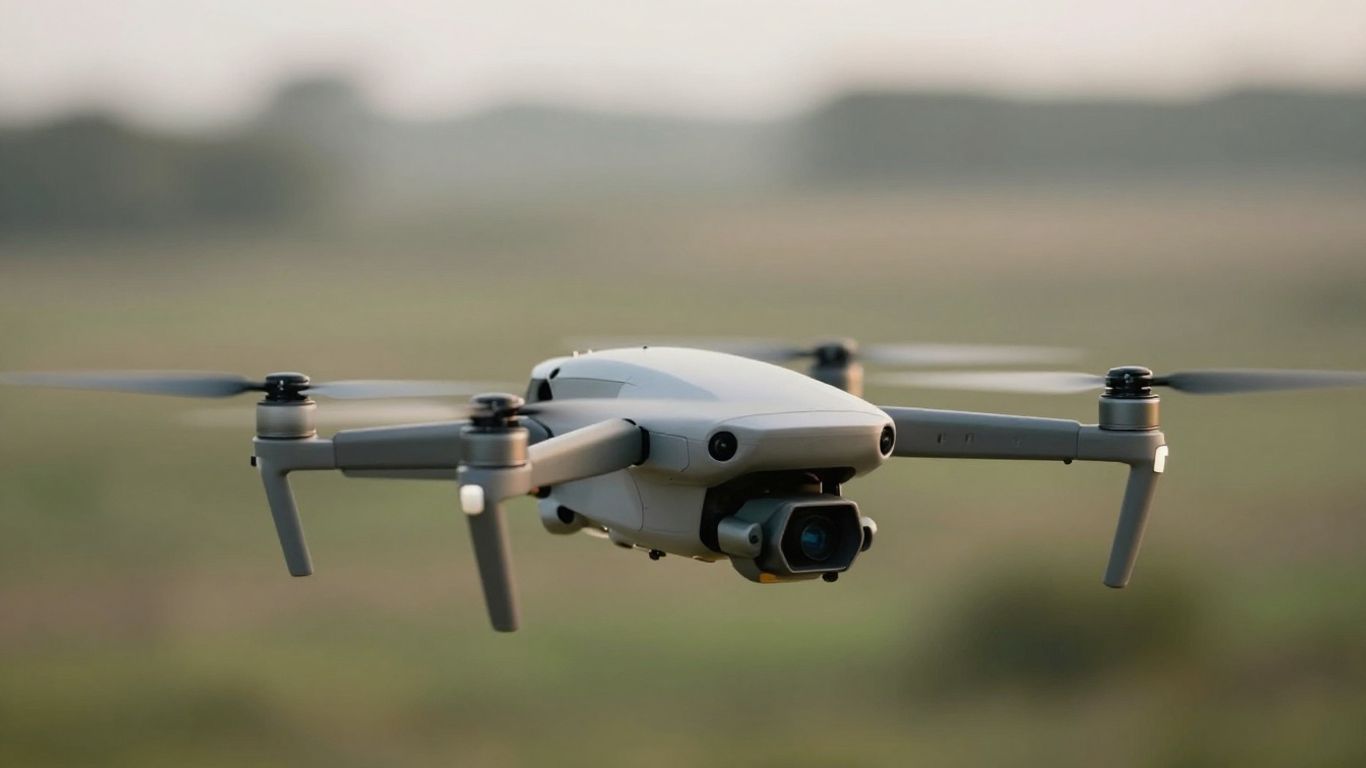
So, we’ve talked a lot about how to make drones quieter, but what does that actually mean for us? It’s not just about avoiding annoyed neighbors. Quieter drones, especially those with silent drone blades, open up a whole new world of possibilities. Think about it: drones that can get closer to wildlife without scaring them off, or surveillance missions that aren’t immediately obvious just by their sound. This is a big deal for a lot of different fields.
Improving Intelligence, Surveillance, and Reconnaissance
For military and security operations, being heard is often as bad as being seen. Drones used for ISR (Intelligence, Surveillance, and Reconnaissance) missions need to be stealthy. If a drone’s acoustic signature gives away its position, the whole mission can be compromised. Developing drones with less noise means they can gather information more effectively without alerting potential adversaries. This is why programs like the Great Horned Owl initiative are so important – they’re looking to nature for inspiration on how to achieve this level of quiet operation. Imagine a drone that can hover overhead, collecting data, and you wouldn’t even know it was there unless you saw it.
Minimizing Disturbance to Wildlife
This is a huge one for nature lovers and researchers. Traditional drones can be incredibly disruptive to animals. The loud buzzing sound can scare birds out of their nests, cause herds of animals to scatter, or generally stress out wildlife. Quieter drone technology means we can get closer to observe animals in their natural habitats without causing them undue stress or altering their behavior. This allows for more natural and accurate data collection for conservation efforts. It’s about observing nature without becoming a part of the disturbance.
Enhancing Public Acceptance of UAVs
Let’s be honest, the constant buzz of drones isn’t exactly pleasant. For many people, the noise is the most annoying part of drone technology. As we see more drones used for deliveries, inspections, and even just recreational flying, reducing that noise pollution is key to getting the public on board. When drones are quieter, they become less intrusive in our daily lives. This improved acoustic environment can lead to greater acceptance and fewer complaints, paving the way for more widespread and beneficial drone applications. It’s a simple equation: less noise equals happier people.
The push for quieter drones isn’t just a technical challenge; it’s about integrating this technology into our world more harmoniously. From military applications to wildlife observation and everyday services, the reduction in sound is a critical step forward. It’s about making sure these advanced tools can be used effectively without creating new problems.
Here’s a quick look at how noise reduction impacts different areas:
- ISR Missions: Reduced acoustic signature means longer loiter times and higher mission success rates.
- Wildlife Monitoring: Less disturbance allows for more natural animal behavior observation.
- Urban Operations: Quieter drones are less likely to cause public nuisance, aiding in broader adoption for services like package delivery.
- Research & Development: Drives innovation in propeller design and flight control systems, leading to overall better drone technology.
When you consider how to make a drone quieter, the benefits ripple outwards, touching everything from national security to our local parks. It’s a fascinating area of development, and one that’s only going to become more important as drones become a bigger part of our lives. And hey, if you’re looking at current models, remember that while some regulations might affect new sales, existing drones are still good to go, but quieter is definitely the future. DJI products and regulations are a good example of how the market is evolving.
Future Applications of Quiet Propulsion
So, we’ve talked a lot about making drones quieter, but what does this actually mean for what comes next? It’s not just about making them less annoying; it’s about opening up entirely new possibilities for how we use aircraft.
Electric Vertical Take-Off and Landing (eVTOL) Vehicles
Think about those flying taxis people keep talking about. For them to become a real thing, especially in cities, they have to be quiet. Nobody wants a sky full of noisy helicopters. Quiet propulsion systems are key to making eVTOLs a practical part of our daily lives, letting them operate without disturbing people on the ground. Companies are working on designs that are not only quiet but also more efficient, which is a win-win.
Short Take-Off and Landing (STOL) Aircraft
Quiet tech isn’t just for the futuristic stuff. It’s also a big deal for planes that need to take off and land in short spaces, like those used for regional transport or accessing remote areas. Quieter engines mean these STOL aircraft can operate closer to communities or sensitive environments without causing a ruckus. This could really change how we think about air travel in less populated regions.
Next-Generation Drone Systems
Beyond just being stealthier for surveillance, quieter drones can do a lot more. Imagine drones used for deliveries that don’t startle people or pets when they arrive. Or think about agricultural drones that can monitor crops without stressing livestock. The ability to operate with a reduced acoustic signature opens doors for drones in all sorts of places where noise has been a major barrier. It’s about integrating these machines more smoothly into our world. The Blue UAS program is already streamlining how government agencies acquire drones, and quieter tech will only make these systems more versatile and acceptable for a wider range of uses.
The push for quieter flight isn’t just about reducing noise pollution; it’s about enabling new forms of aviation that are more compatible with urban living and natural environments. It’s a fundamental shift in how we design and deploy aerial vehicles.
Here’s a quick look at what quieter propulsion could mean:
- Urban Air Mobility: Making eVTOLs a common sight, not a sonic disturbance.
- Environmental Monitoring: Drones that can study wildlife or ecosystems without altering behavior.
- Public Services: Quieter aircraft for emergency response or infrastructure inspection in populated areas.
- Commercial Operations: More efficient and less intrusive drone services for logistics and delivery.
The future of flight is looking a lot more peaceful, thanks to these advancements in propulsion. It’s exciting to see how these innovations in drone propulsion will shape the skies ahead.
Conclusion
Making drones quieter isn’t just about making them less annoying; it’s about opening up new possibilities. From helping wildlife and improving military operations to making urban air travel a reality, reducing drone noise is a big step forward. The blend of nature’s designs and clever engineering is paving the way for a future where drones can fly more effectively and with less disturbance. It’s an exciting time for drone technology, and the quiet revolution is just beginning.
Frequently Asked Questions
Why are drones so loud in the first place?
Drones are loud mainly because of their propellers. They spin really fast, and the air rushing over them makes a lot of noise. Think of it like a tiny, fast fan. The faster they spin and the more powerful they are, the louder they tend to be.
How does nature help make drones quieter?
Scientists look at animals that fly quietly, like the Great Horned Owl. Owls have special feathers that break up the air, making their flight almost silent. Engineers try to copy these features, like the shape of feathers or how air flows, for drone propellers and parts.
What is ‘drone propeller noise reduction’?
It’s all about making the sound from drone propellers much, much quieter. This involves designing new types of propellers, using special materials, and controlling how the air moves around them so they don’t make as much racket.
Can drones actually become completely silent?
It’s unlikely they’ll be *completely* silent, but the goal is to make them so quiet that humans can’t hear them, or at least can barely hear them. Some new designs can make sounds at frequencies that our ears just can’t pick up.
Who benefits from quieter drones?
Lots of people! Wildlife won’t be disturbed as much, people living near airports or drone testing sites will have less noise, and military or police using drones for spying won’t be easily detected. It also makes them more acceptable for everyday use.
Will this mean quieter air taxis in the future?
Yes, that’s a big hope! The same technology used for quieter drones can be applied to larger electric planes and air taxis (eVTOLs). This could make flying in cities much more pleasant and less noisy for everyone.