
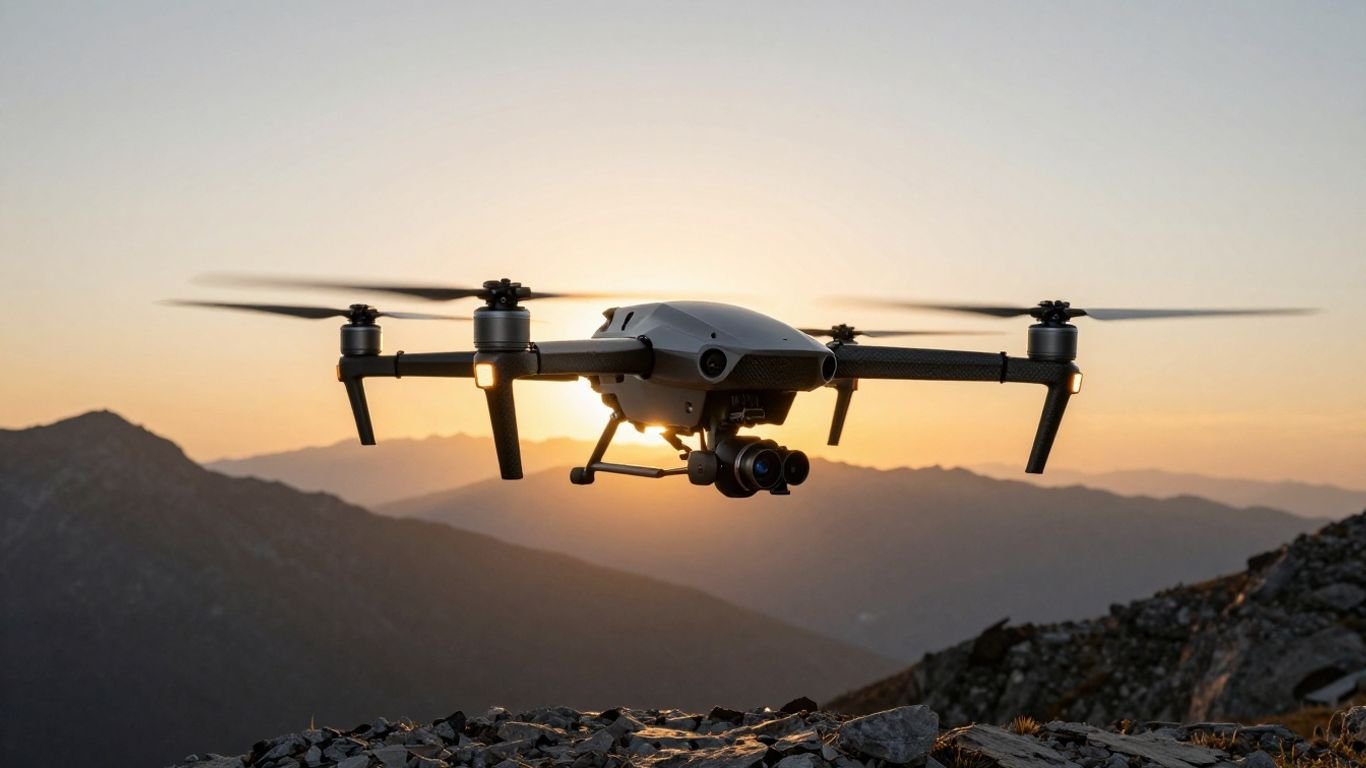
A complete guide to the Skyfront Perimeter 8 hybrid drone

Key Takeaways
Understanding the advanced capabilities of modern unmanned systems is essential for professionals managing long-endurance missions. By leveraging hybrid propulsion, operators can significantly extend flight times and mission utility in challenging environments.
- Hybrid systems offer endurance far beyond traditional battery-only platforms.
- Payload versatility enables diverse missions from mapping to defense.
- Operational reliability is supported by redundant power and smart components.
- Field deployment benefits from rapid assembly and multi-environment adaptability.
- Advanced telemetry ensures mission oversight even in remote, contested locations.
Technical specifications and performance
The technological foundation of modern long-range drones relies on high-efficiency power systems that maximize airborne duration. Engineers have focused on balancing structural integrity with the requirements of heavy-lift operations to provide reliable service across varied industrial sectors.
Airframe design and payload capacity
The airframe architecture of these systems is designed to prioritize durability while maintaining necessary flight agility. For the Perimeter 8 Skyfront, the structure accommodates high-payload configurations, allowing the aircraft to handle specialized sensors and tactical gear without sacrificing stability. This design modularity is often found in systems like the IF800 Inspired Flight Technologies platform, which highlights the importance of hardware adaptability in the field.
Flight endurance metrics and fuel efficiency
Energy density remains the primary hurdle for aerial platforms, and the Perimeter 8 Hybrid Drone addresses this through an efficient conversion of liquid fuel into electrical energy. By bypassing the limitations of chemical battery power for primary cruise, these drones can maintain loft for several hours. This approach is highly effective compared to standard systems, as demonstrated across Skyfront’s longest endurance hybrid drones in real-world deployment scenarios.
Communication range and data link capabilities
Reliable connectivity is the backbone of successful operations, especially when missions extend far beyond the immediate line of sight. Advanced link modules ensure encrypted, low-latency telemetry between the drone and the remote command center. This level of connectivity is similar to the Skydio X10D tactical capabilities which utilize robust mesh networks for secure data transmission in challenging territory.
Sensor integration and gimbal compatibility
Seamless mounting systems allow for the rapid swapping of specialized payloads to meet changing mission demands. Whether attaching high-resolution LiDAR, multi-spectral cameras, or intelligence-gathering sensors, the gimbal architecture must be vibration-isolated. Many professional users find that Inspired Flight Technologies hexacopters provide this necessary precision for enterprise tasks requiring high-fidelity data collection.
Advantages of the hybrid gas-electric powertrain
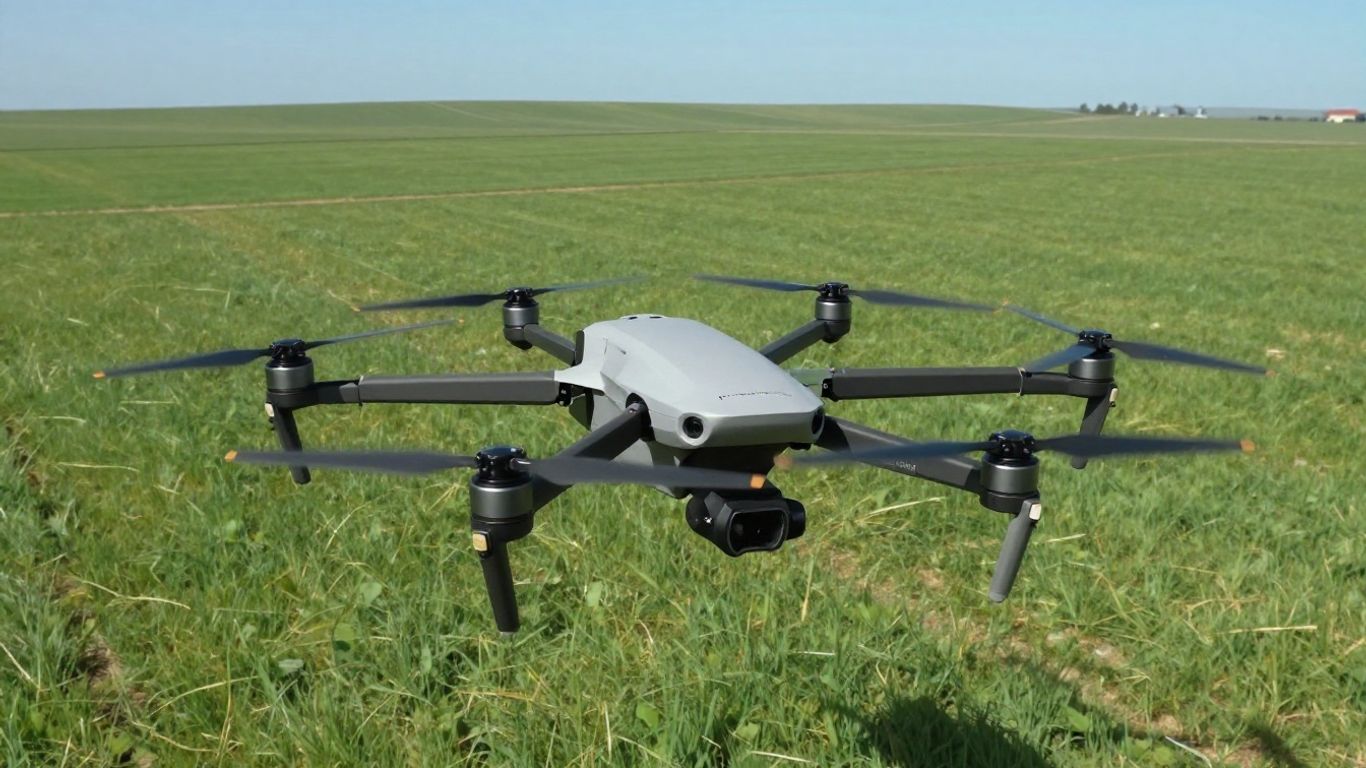
Transitioning to a hybrid model solves the classic drone dilemma: how to keep the craft in the air for longer without adding unmanageable weight. The integration of gasoline engines with electric motors offers a redundant power backup, ensuring that even if one component fluctuates, the craft maintains its flight profile. This dual-power strategy allows for extended missions that would otherwise be impossible on a single charge.
Bridging the gap between multirotor and fixed-wing endurance
Most multirotor craft are limited by battery size, while fixed-wing platforms often struggle with hover or complex landing procedures. A hybrid system provides the vertical take-off and landing ease of a multirotor with the extended mission duration associated with conventional fossil fuels.
Fuel management compared to battery-swapping logistics
One significant advantage is the ability to refuel quickly rather than waiting for slow charge cycles. This increases the total sorties a team can perform in a given timeframe by reducing idle time on the ground.
| Efficiency Factor | Hybrid System | Battery System |
|---|---|---|
| Refuel Time | Minutes | 60+ Minutes |
| Mission Time | 5+ Hours | 45-90 Minutes |
| Logistics Burden | High (Fuel jugs) | Very High (Banks) |
By simplifying ground logistics, teams spend less time managing complex charging workflows and more time collecting aerial data.
Reliability in remote, off-grid environments
Operating in places where power grids are nonexistent puts a strain on equipment that requires charging. Hybrid systems thrive here because storing fuel is often more manageable than transporting large, heavy battery arrays into remote landscapes.
Reducing carbon footprint through hybrid optimization
While gasoline is used, the conversion efficiency into electricity is remarkably high compared to traditional small engines. This optimization ensures that every drop of fuel is utilized to move the rotors, maximizing the utility of the hardware during lengthy observation flights.
Key industrial and military applications
Expanding the operational radius of unmanned systems has opened up new possibilities for surveillance and data acquisition. These platforms now perform tasks that previously required manned aircraft, lowering risk and total costs.
Pipeline inspection and infrastructure monitoring
Continuous, long-range observation of energy infrastructure keeps assets secure and helps identify potential leaks or structural wear before they lead to failures. Similar to how Asro/Max Freefly Systems are used for large-scale operations, these drones provide eyes on miles of pipeline without needing multiple landing pads.
Rapid mapping and survey operations
Detailed photogrammetry and topographical surveys are easier when the drone can stay aloft for long periods. This reduces the number of flights required to cover vast tracts of land, resulting in a more cohesive data set for civil engineering and mining.
Defense, ISR, and border security missions
Intelligence collection often requires persistent coverage over a single area of interest throughout the night. The Perimeter 8 drone has seen deployment success in tactical arenas, proving that high-endurance assets are indispensable for modern monitoring and reconnaissance efforts.
Search and rescue search-time extension
In emergency scenarios where every minute counts, having an aerial asset that can search for hours without returning to base is vital. This capability effectively multiplies the coverage of rescue ground teams in rugged terrain.
Operational workflow and deployment requirements
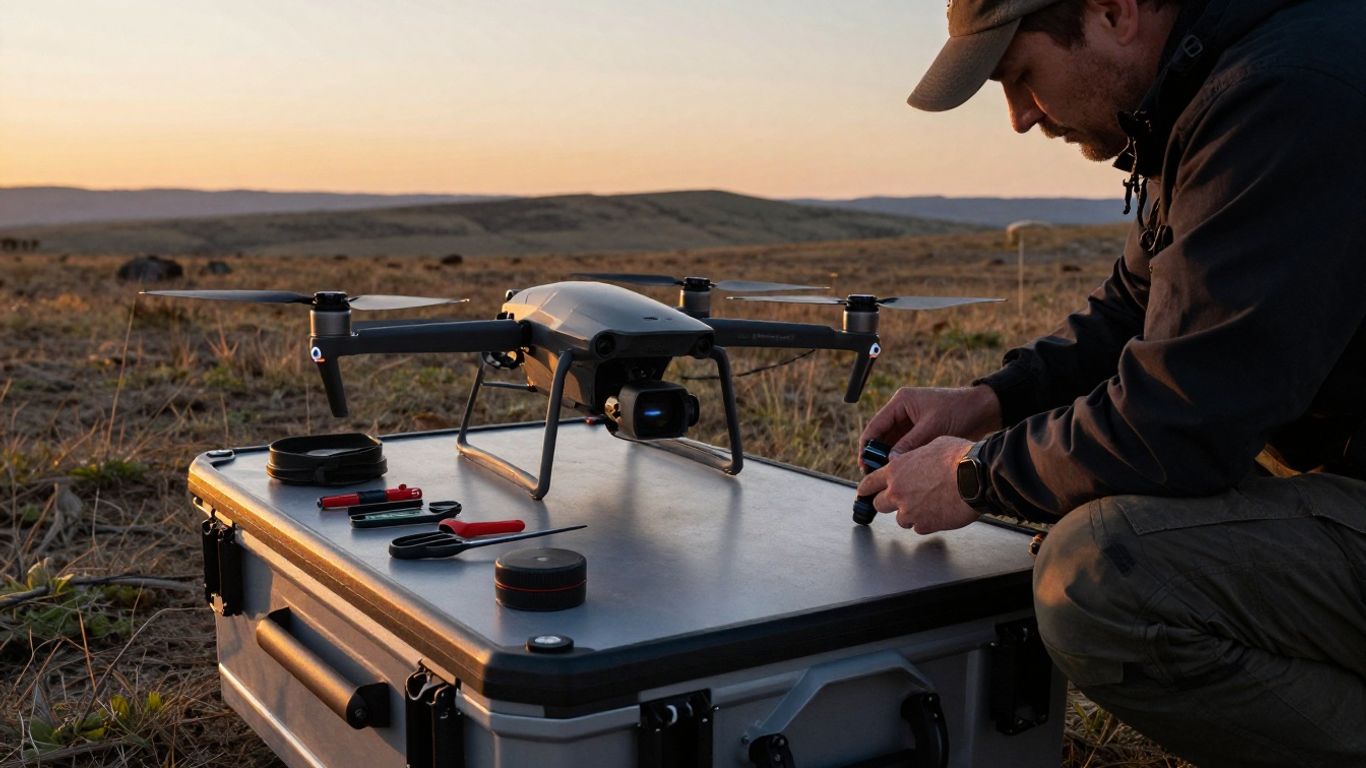
Successful deployment requires a disciplined approach, from the physical check of the engine to updating the mission parameters in the ground control station. Setting up these drones involves attention to detail, but the payoff is an asset that can perform reliably all day.
Routine maintenance for hybrid propulsion systems
Maintaining the mechanical aspects of a combustion engine is distinct from pure software-based battery monitoring. Teams must perform regular checks on fuel lines, air filters, and cooling systems to ensure peak performance.
Regulatory considerations for long-range drone flights
Operating beyond visual line of sight requires adherence to stringent aviation safety standards. Operators must document every flight and ensure their equipment remains compliant with the evolving airspace regulations that govern long-endurance autonomous craft.
Training personnel for complex field deployment
- Engine startup and fuel system calibration procedures.
- Emergency landing and fail-safe activation training.
- Data link management and signal interference mitigation.
- Field repair and basic component troubleshooting steps.
Training ensures that human operators can handle the specific nuances of a hybrid power architecture while working in the field.
Transport and assembly in remote areas
Modular designs allow the aircraft to fit into ruggedized cases for transit in standard off-road vehicles. Upon arrival, a two-person team can typically assemble the components and calibrate the navigation sensors in under 15 minutes.
Comparing Perimeter 8 to standard battery drones
Standard electric drones remain excellent for quick, short-range tasks, but they hit hard limits when distances increase. The hybrid alternative serves a specific market that needs to operate for several hours continuously.
Assessing flight time limits and mission radius
Traditional UAV flight times often drop below an hour if additional sensors are placed on the gimbal. A hybrid craft provides the room to add weight and still maintain the necessary endurance to cover large radii.
Evaluating climate and temperature performance
Extreme temperatures can drastically shorten the flight window of chemical batteries. Combustion-based power tends to remain more consistent across a wide thermal range, provided that adequate cooling and specialized lubricants are utilized.
Cost analysis over total lifecycle operation
While the upfront investment in sophisticated hybrid systems is greater than low-end multicopters, the reduced need for expensive battery-swapping arrays and charging infrastructure offers a superior long-term return on investment for high-utilization fleets.
This capital expenditure must be measured against the total number of hours the craft spends in the air annually.
Ease of use during rapid deployment
Rapid response requires a system that is ready at a moment’s notice. While fuel-injected engines are efficient, they do require a warm-up period that pure electric platforms lack, though they compensate for this with superior operational persistence.
Safety features and flight autonomy
Safety systems must account for both the electronic flight controller and the mechanical engine dynamics. Modern architectures integrate these through advanced telemetry to provide a unified health check for the operator.
Redundant flight control and navigation systems
Redundancy is critical for mission-essential platforms. If the primary navigation system faces interference, the drone can often fall back on a secondary sensor suite to maintain stability or return to home.
Fail-safe procedures during fuel depletion
Automated systems monitor fuel levels against the remaining distance to home base. If a threshold is crossed, the drone will alert the pilot or take autonomous action to hover or land in a pre-verified zone.
Automated navigation and collision avoidance
Advanced software enables the aircraft to steer around obstacles even in complex navigation scenarios. This is vital for maintaining the safety of the craft in urban or forested environments where visual paths are constrained.
Real-time diagnostics and telemetry monitoring
Constant feedback loops provide the pilot with engine RPM trends, battery voltages, and oil pressure data. This proactive monitoring allows for the early detection of issues before they necessitate an emergency landing.
Conclusion
Investing in specialized, high-endurance systems like the Perimeter 8 allows professional teams to tackle missions that were previously restricted by the physical bounds of battery technology. By combining mechanical efficiency with robust autonomous software, these drones represent a shift toward longer-duration support for industrial and defense operations globally.
Frequently Asked Questions
What makes a hybrid drone different from a standard electric one?
A hybrid drone uses a gasoline-powered engine to generate electricity during flight, unlike traditional drones that rely solely on stored power within a battery pack.
Can hybrid drones hover like multirotor drones?
Yes, hybrid drones retain the multirotor design, which allows them both the ability to hover in place and the added endurance provided by their internal power generation system.
Is it difficult to manage the fuel supply in the field?
Managing fuel is generally seen as a manageable logistical task, often involving the transport of portable containers which can be more straightforward than maintaining a large fleet of charged batteries.
How does the flight range compare to conventional drones?
The range of a hybrid drone is significantly greater, often capable of covering over a hundred miles or staying airborne for five hours, which far exceeds the capabilities of most standard industrial electric models.
Are these drones suitable for search and rescue operations?
Because they can stay above an area for long periods, hybrid drones are highly effective tools for monitoring large terrain areas and assisting in the search and rescue efforts of ground teams.
How do hybrid drones perform in cold weather?
Hybrid systems are generally more resilient to cold weather than battery systems because the combustion process of the engine remains relatively stable compared to the chemistry of large lithium-based battery sets.
Do I need specialized training to fly a hybrid drone?
Operators require standard drone flight experience but also need specific training on the maintenance, pre-flight safety checks, and engine operations unique to hybrid-electric aircraft platforms.