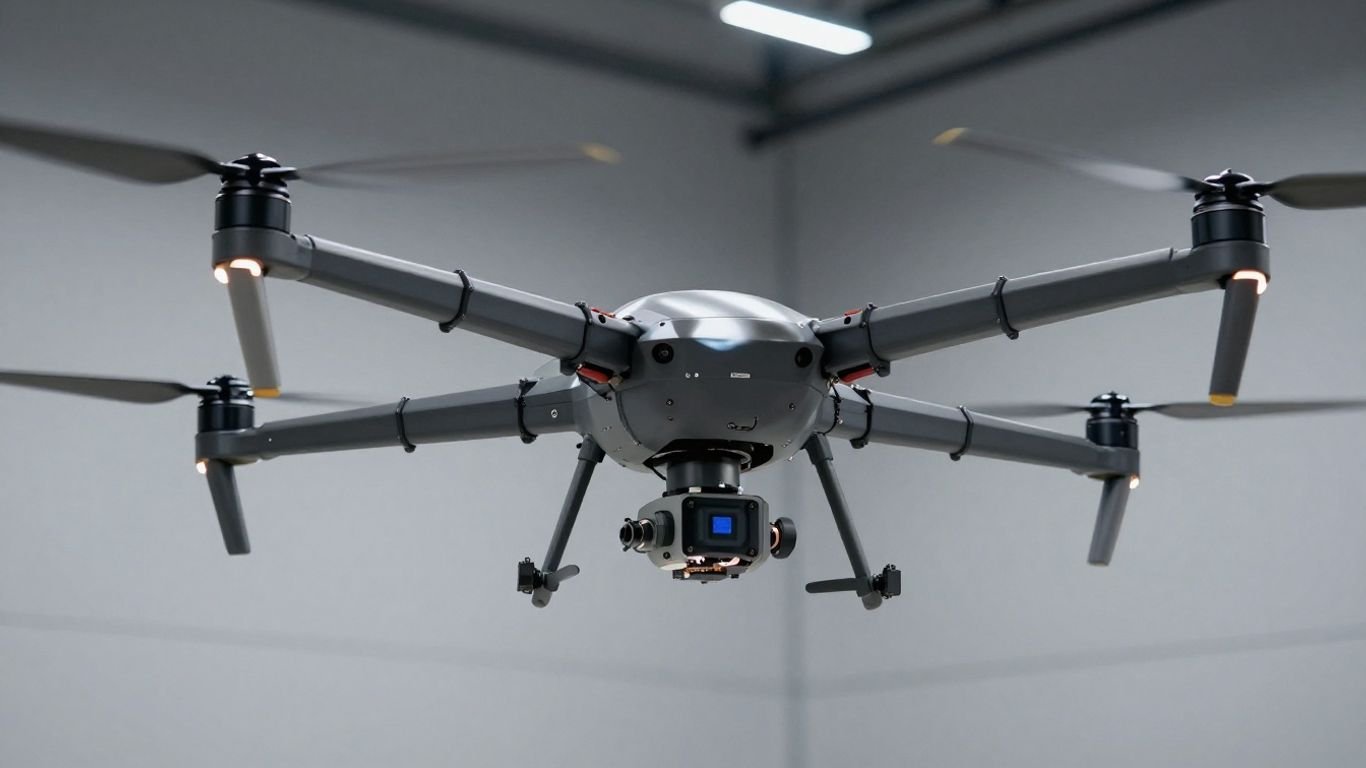
A comprehensive guide to the SLM-10 Auterion communication module

Key Takeaways
This guide outlines the capabilities and configuration of the SLM-10 module for professional aerial operations. Understanding these components ensures reliable mission performance across diverse environments.
- The SLM-10 serves as a core communication hub in the fleet.
- Hardware architecture supports efficient thermal management and power usage.
- Software integration leverages standardized protocols for seamless data exchange.
- Field maintenance protocols help preserve long-term operational integrity.
- Security standards maintain encrypted links during critical data transmissions.
Understanding the role of SLM-10 in modern drone networks
The drone industry relies on sophisticated communication layers to maintain control and data fidelity. By deploying the SLM-10 Auterion hardware, operators can achieve highly reliable communication links within their robotic ecosystems.
Evolution of Auterion communication standards
Communication standards have evolved from simple radio protocols to sophisticated, data-rich telemetry streams. Today, systems rely on open standards to ensure that information travels securely between the aerial platform and the ground control station without interference.
Integrating SLM-10 into the Skynode ecosystem
Integrating hardware into an existing network requires a clear understanding of the broader AuterionOS capabilities. The module acts as a bridge, allowing the airborne system to communicate effectively with other nodes in the swarm while maintaining a consistent data flow based on established architectural patterns.
Performance benchmarks in autonomous operations
Autonomous missions require consistent latency and throughput to react to environmental changes in real-time. Performance benchmarks indicate that using Anduril Industries components alongside existing telemetry modules results in measurable improvements in mission telemetry speed and data accuracy.
Technical specifications and hardware architecture
Hardware design dictates how a module survives the rigors of flight and data processing loads. Robust physical engineering creates a foundation that supports reliable operation even when environmental conditions vary significantly across different deployment regions.
Physical interface and mounting requirements
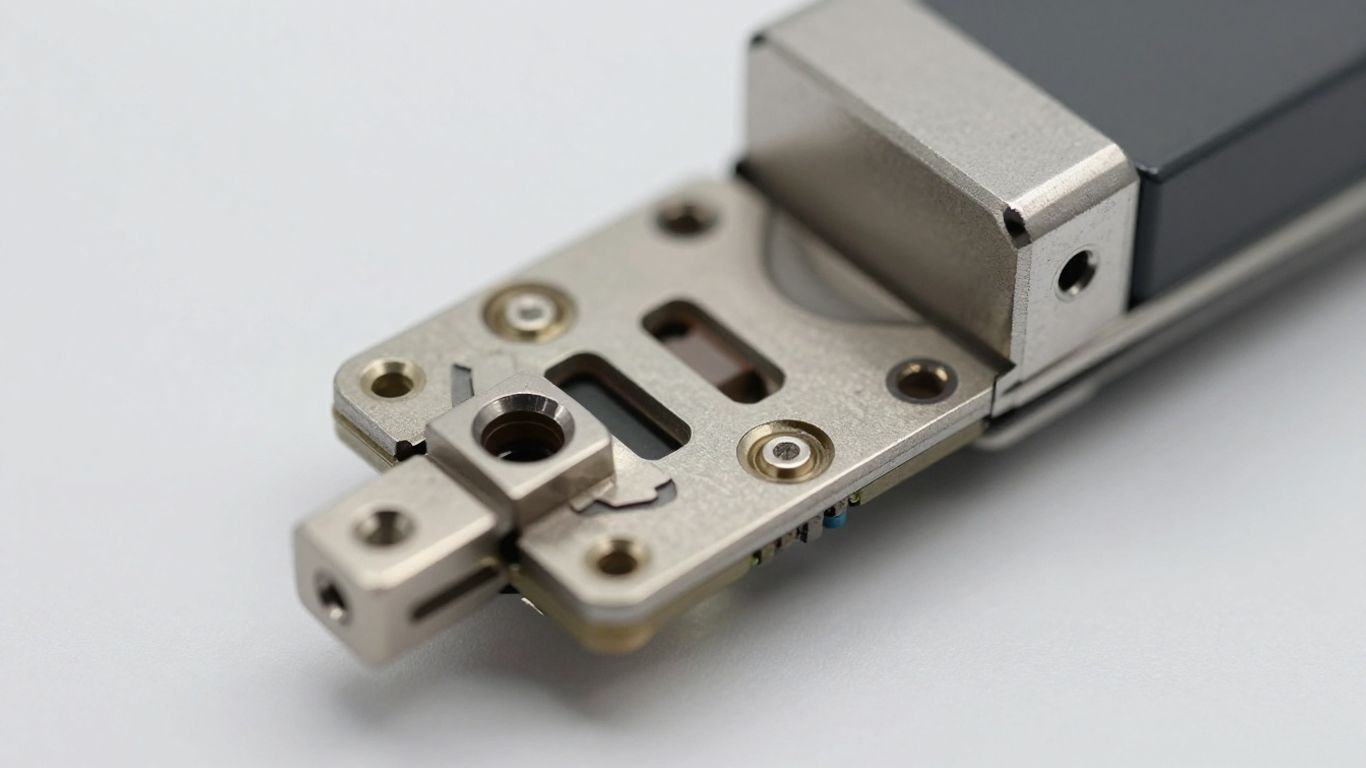
Proper mounting ensures that the module remains secure during high-speed maneuvers or vibration-heavy operations. The table below outlines the primary physical parameters required for installation.
| Feature | Requirement | Notes |
|---|---|---|
| Connector Type | High-density I/O | Shielded pins |
| Mounting Depth | 15.5mm | Flush mount |
| Thermal Pad | Required | Heat dissipation |
These physical standards allow the system to meet operational expectations, ensuring the module does not suffer from disconnects caused by loose cabling or poor thermal contact during long-duration flight.
Power efficiency and thermal management
Power management requires balancing high-throughput telemetry with battery consumption longevity. Effectively dissipating heat prevents internal thermal throttling, which can degrade the signal quality if the module remains active at peak levels for extended windows.
RF front-end capabilities and frequency bands
High-performance RF stages are necessary for maintaining link stability across various spectral environments. By utilizing shielded front-end circuitry, the system minimizes background noise while maximizing the effective range for command and telemetry signals.
Configuration and software integration
Software configuration is the final step in ensuring that the hardware communicates correctly with the ground station. A clear setup process mitigates errors that could affect the stability or security of a live flight operation.

Auterion OS firmware compatibility
Firmware versions must align with the current system state to ensure that hardware drivers function correctly. Maintaining version parity reduces the chance of communication failure or unexpected software behaviors during mission deployment.
Data link setup via the Auterion portal
Setting up the data link requires a specific, multi-step process within the management portal. Following this sequence ensures that the connection parameters are stored correctly and synchronized across the fleet:
- Initialize the module through the device discovery manager.
- Assign a static IP and encryption key to the telemetry stream.
- Verify the signal strength indicators in the mission console.
- Save the configuration to the internal memory of the module.
Adhering to these steps provides a clear path for establishing stable connections that are ready for immediate field use.
Supporting MAVLink and custom telemetry protocols
Protocol support enables integration with a wide variety of third-party peripherals and sensors. By supporting standardized MAVLink messaging, the module allows for broad interoperability with diverse aerial components during complex mission profiles.
Operational deployments and best practices
Success in the field demands adherence to established deployment protocols that protect the data link and the vehicle itself. Consistent practices create repeatable results for crews working in unpredictable or remote locations.
Maintaining link stability in swarm environments
Swarm coordination requires managing multiple signals simultaneously without causing internal interference. Maintaining stable links involves careful frequency selection and the deployment of spatial diversity, which keeps the aerial network cohesive while moving across a defined operational area.
Optimizing signal integrity for BVLOS missions
Operations beyond visual line of sight (BVLOS) rely on high-integrity data streams to maintain awareness of the drone’s position. Optimizing the signal often involves ensuring high-gain antenna alignment and minimizing obstructions that could degrade the transmitted power of the telemetry link.
Encryption standards for secure data transmission
Security is paramount when handling sensitive operational data in the field. Implementing robust encryption standards ensures that all telemetry packets are authenticated and protected from unauthorized access or external signal capture attempts during the flight.
Troubleshooting and maintenance procedures
Maintenance ensures that the hardware remains operational after repeated missions in harsh environments. Routine inspections allow for early detection of wear, preventing failure before it impacts a future operation.
Diagnosing signal loss through diagnostic logs
Logs offer the most comprehensive history of link performance during a flight. By reviewing these files, technicians can determine if signal loss was caused by hardware interference, software settings, or external environmental conditions that interrupted the telemetry flow.
Managing firmware updates and version control
Version control prevents the implementation of incompatible features during critical cycles. Developing a consistent update schedule for the entire fleet minimizes the operational downtime and ensures that every module is running the most stable release available.
Environmental hardening and vibration mitigation strategies
Hardening techniques protect the internal sensitive circuitry from shocks caused by hard landings or bumpy terrain. Using vibration-dampening mounts and conformal coatings extends the lifespan of the core boards significantly when the equipment is subjected to repetitive mechanical stress.
Conclusion
The effective deployment of communication hardware is a critical factor in maintaining the reliability and security of autonomous aerial platforms. By strictly following hardware mounting, firmware integration, and environmental maintenance guidelines, operators can ensure that their communication systems meet the highest performance standards required for modern mission success.
Frequently Asked Questions
How does the module handle signal degradation in rural areas?
Signal degradation in rural settings is mitigated by utilizing high-gain antenna hardware and automated frequency hopping protocols that detect and move away from active noise sources.
Can this communication system be integrated with other aerial frameworks?
Yes, the module is compatible with multiple open-standard protocols, allowing for integration with various autonomous flight systems that require standardized telemetry communication.
What are the main signs that indicate a module needs maintenance?
Signs include intermittent telemetry packet loss, increased link latency during normal line-of-sight flights, or physical discoloration indicating thermal stress on the exterior cooling fins.
Is it possible to use the module for real-time video streaming?
While primary usage focuses on mission telemetry, the bandwidth capacity supports streaming video depending on the resolution and transmission codec settings selected during the network setup.
Should the system be calibrated before every individual flight?
A full calibration is not necessary before every flight, but pre-flight diagnostic checks are recommended to confirm that signal metrics remain within the expected performance range.
What is the typical service life of the communication module?
Service life is largely dependent on the level of environmental exposure, but with routine cleaning, moisture protection, and firmware maintenance, the hardware is designed for prolonged, high-cycle field usage.
Is external power shielding required for indoor operations?
Shielding is typically recommended for all environments, especially indoor spaces with high EMI from industrial machinery or dense electrical infrastructure to ensure consistent signal clarity.