Top 5 Drone with Camera Options for Stunning Aerial Photography in 2026

Thinking about getting a drone with camera for some cool aerial shots in 2026? It can be a bit much trying to figure out what’s good, right? The tech changes so fast, and what was amazing last year might be old news now. We’ve looked at what’s coming and what’s already out there to help you pick the right drone. Whether you’re just starting out or you’re already a pro, we’ve got some solid options that should make your photos and videos look way better.
Key Takeaways
- Understand new drone tech like AI flight helpers that will be common by 2026.
- Find the right drone for your skill level, from beginner to pro.
- See our top drone picks for great aerial photos and videos in 2026.
- Learn what features matter most for drone photography, like camera quality and flight time.
- Make a smart choice with our guide to the best drone with camera options available.
1. DJI Mavic 4 Pro
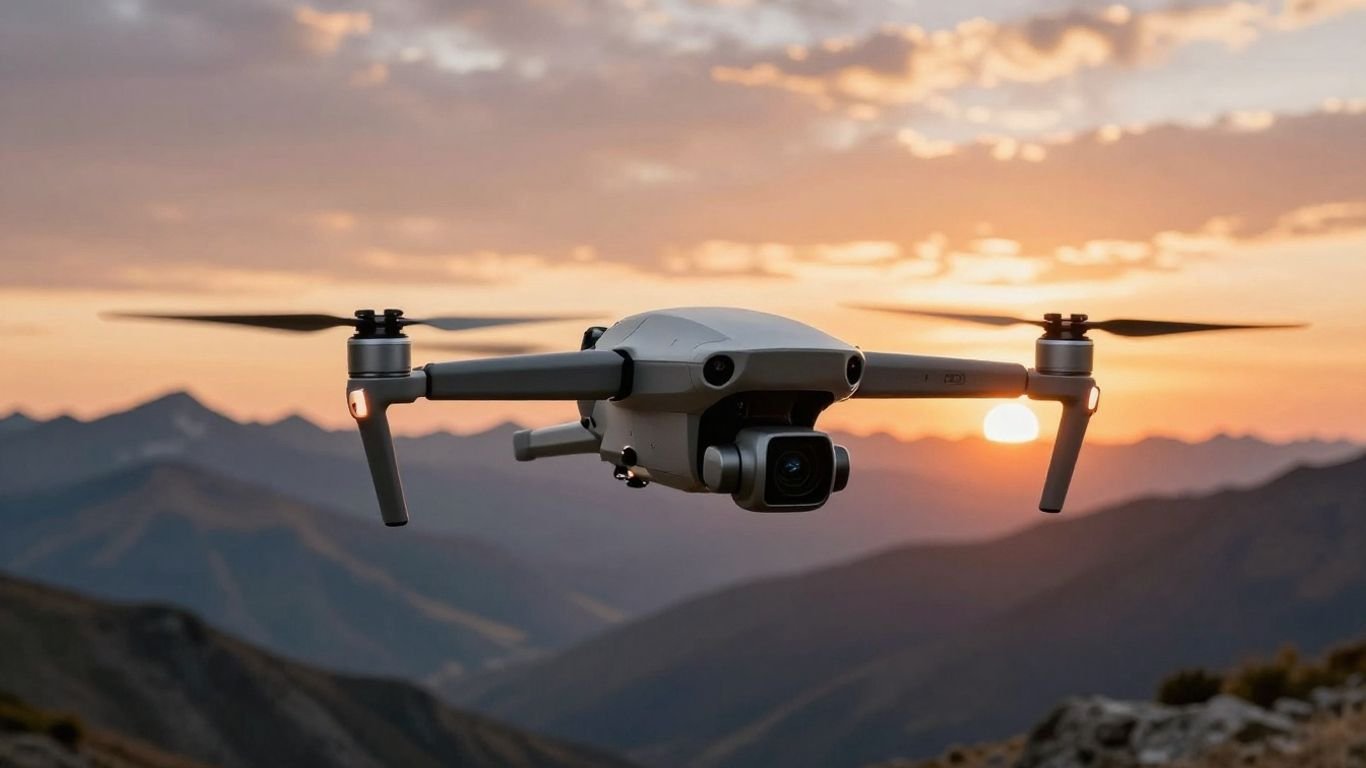
Alright, let’s talk about the DJI Mavic 4 Pro. If you’re serious about aerial photography and videography, this drone is pretty much the top dog right now. It’s a significant step up from its predecessors, packing some seriously impressive camera tech. You get a triple-camera system that’s just fantastic for getting all sorts of shots. There’s the main Four Thirds Hasselblad camera, which is great for detailed stills and video, plus two telephoto lenses – a 70mm and a 168mm equivalent. This setup lets you capture photos up to a whopping 100MP and video in 6K at 60fps. That’s some serious resolution for editing later.
It’s not just about the camera, though. The flight time is pretty good, rated at 51 minutes, though in real-world use, especially when you’re filming a lot, you’ll probably get closer to 37 minutes. Still, that’s a decent amount of time to get your shots. It also comes with the DJI RC 2 controller, which has a bright 7-inch screen, making it easy to see what you’re doing even in sunny conditions. The drone itself folds up nicely, which is a big plus for transport, even though it’s a bit heavier than the Mavic 3.
Here’s a quick look at some of its key specs:
- Camera System: Triple cameras (Four Thirds Hasselblad, 70mm, 168mm)
- Still Resolution: Up to 100MP
- Video Resolution: Up to 6K at 60fps, 4K at 120fps
- Max Flight Time: 51 minutes (rated)
- Weight: 1063g
One of the coolest things is the improved obstacle sensing and the Return To Home function, which now works even without GPS. It can also hit some pretty fast speeds, up to 60.4mph in sports mode. It’s definitely a professional tool, and while it’s not exactly a beginner drone due to its size and cost, the results you can get are pretty amazing. If you’re looking for the best possible camera drone out there, the Mavic 4 Pro is hard to beat. It really does feel like a step into the future for aerial photography.
This drone is built for those who demand the best image quality and creative control. While it might be a bit much for a casual user, its capabilities are unmatched for professional filmmakers and photographers who need top-tier performance in a portable package.
2. DJI Mini 5 Pro
Alright, let’s talk about the DJI Mini 5 Pro. This little guy is seriously impressive, especially if you’re all about that travel life or just don’t want to lug around a massive drone. It manages to pack a punch with its camera, all while staying under that magic 250-gram weight limit. That means fewer headaches with regulations in most places, which is always a win.
The 1-inch sensor is the real star here, making a noticeable difference in how your photos and videos look, particularly in tricky lighting. Think crisp sunrise shots or moody mountain scenes – this drone handles them pretty well. Plus, the upgraded gimbal keeps things super smooth, even if there’s a bit of a breeze. It even has this neat horizontal tilt feature, which is great for getting those cinematic pans or unique low-angle perspectives you just can’t get with a fixed camera.
Here’s a quick rundown of what makes it stand out:
- Weight: Under 250g, making it super portable and often exempt from stricter drone rules.
- Camera: Features a 1-inch sensor for great image quality, with options for 50MP photos and 4K video up to 120fps.
- Flight Time: Expect around 36 minutes on a single battery, but grabbing a Fly More bundle with extra batteries is a smart move for longer adventures.
- Obstacle Sensing: Comes with omnidirectional obstacle avoidance, so it’s pretty good at looking out for itself.
It’s not going to be a powerhouse in really strong winds compared to its bigger siblings, and if you need multiple zoom lenses, you’ll have to look elsewhere. But for most people wanting a high-quality, easy-to-fly drone that fits in a backpack, the Mini 5 Pro is a fantastic choice. It really does raise the bar for what you can expect from a pocket-sized flyer. If you’re looking to get into more advanced drone operations, understanding the different types of training available could be beneficial specialized training programs.
This drone is a game-changer for anyone who values portability without sacrificing image quality. It’s the kind of drone you’ll actually bring with you everywhere, from city breaks to mountain hikes, because it’s just so easy to pack and fly.
3. DJI Inspire 3
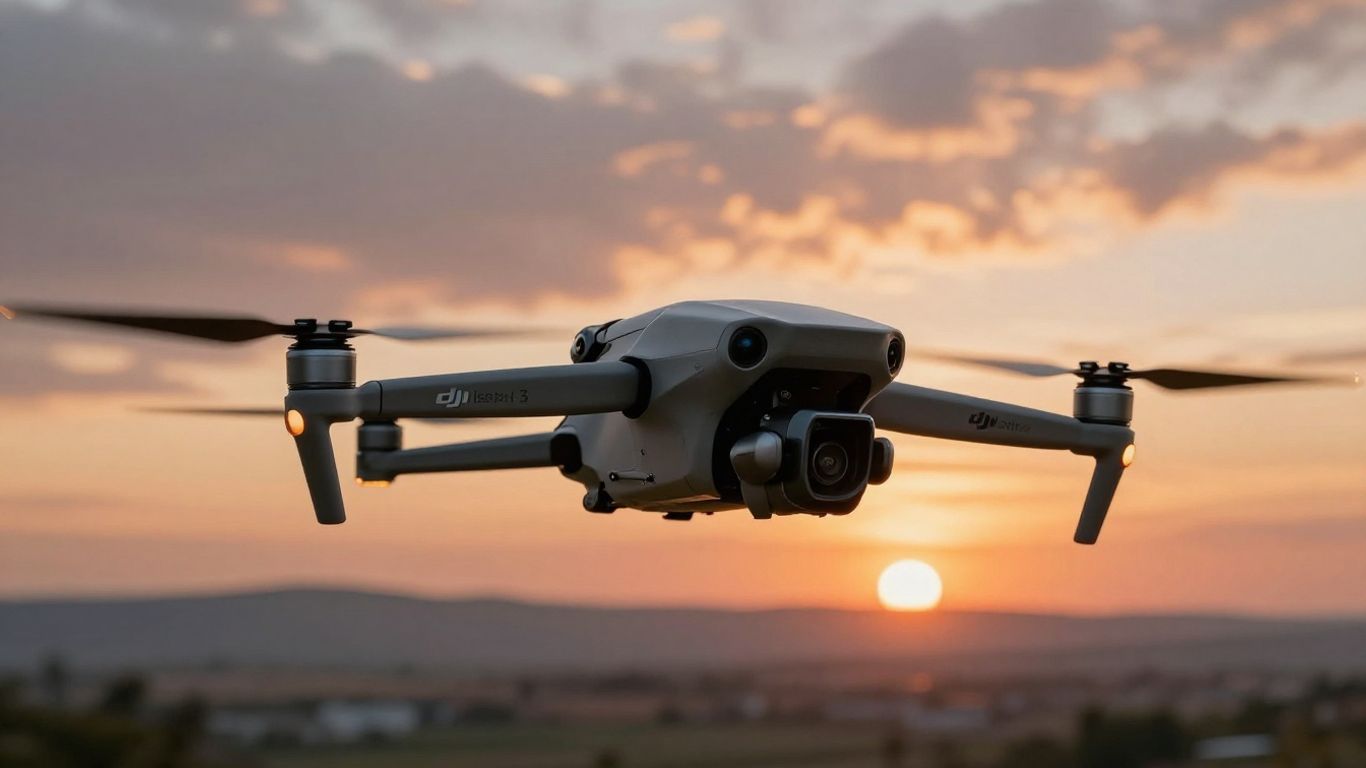
Alright, let’s talk about the DJI Inspire 3. This drone is really something else, built for those who want top-tier performance and cinematic quality. It’s not just a flying camera; it’s a serious tool for filmmakers and photographers who need that professional edge. The Inspire 3 is designed for high-end aerial cinematography.
When you get your hands on it, you notice the build quality right away. It feels robust, ready for whatever you throw at it. The flight experience itself is incredibly smooth, thanks to its advanced stabilization and control systems. It makes capturing those sweeping, epic shots feel almost effortless, even if you’re not a seasoned pro. You can really get creative with the camera angles and movements.
Here’s a quick look at some of its standout features:
- Exceptional Camera System: It boasts a full-frame Zenmuse X9-8K Air camera, capable of shooting in 8K RAW. This means incredible detail and flexibility in post-production.
- Advanced Obstacle Sensing: With omnidirectional sensing, it keeps you and your gear safe, allowing you to focus on getting the perfect shot without constant worry.
- Longer Flight Times: Expect extended flight durations, giving you more time in the air to capture all the footage you need.
- Intelligent Flight Modes: Features like Waypoint Pro make complex flight paths repeatable and precise, which is a game-changer for consistent shots.
The Inspire 3 is a significant step up for anyone serious about aerial video. It bridges the gap between professional filmmaking needs and the accessibility of drone technology. It’s an investment, sure, but for the quality and capabilities it offers, it’s hard to beat.
If you’re looking for a drone that can truly perform at a professional level and handle demanding shoots, the Inspire 3 is definitely worth a close look. It’s a powerful piece of kit that can really make your aerial photography and videography stand out. For those interested in the technical side, understanding the FAA Part 107 certificate requirements is important for commercial operations.
4. DJI Air 3S
Alright, let’s talk about the DJI Air 3S. This drone really hits a sweet spot, especially if you’re looking for something that offers a lot of bang for your buck without going into the super-pro price range. It’s got this neat dual-camera setup, which is pretty handy. You get a main wide-angle lens, and then a telephoto one for getting closer shots. The image quality from these cameras is seriously good, especially from that main one with the larger sensor. It makes capturing sharp photos and smooth video feel pretty straightforward.
One of the things I really appreciate is how it handles different lighting. It’s not just for bright sunny days; you can get decent shots even when the light’s not perfect. Plus, it’s got some pretty advanced obstacle avoidance tech, which is always a relief when you’re flying around trees or buildings. It makes the whole flying experience feel a lot more secure.
Here’s a quick look at some of its specs:
- Main Camera: 50MP 1-inch CMOS (24mm equivalent)
- Telephoto Camera: 48MP 1/1.3-inch CMOS (70mm equivalent)
- Video: Up to 4K at 120fps, 1080p at 240fps
- Flight Time: Around 45 minutes
- Weight: Approximately 724g
While it’s not the smallest drone out there, and that means it falls under stricter regulations in some places, its size also means it’s more robust in wind than those tiny sub-250g models. It’s a good trade-off for stability and capability. For anyone wanting a versatile drone that balances features and performance, the Air 3S is definitely worth a look. It’s a solid step up for content creators and serious hobbyists alike, offering a great blend of advanced features and image quality.
5. HoverAir X1 PROMAX
Alright, let’s talk about the HoverAir X1 PROMAX. This little guy is pretty neat if you’re all about capturing your own adventures without needing to be a pro pilot. It’s designed to be super user-friendly, basically letting you focus on the action while it handles the flying.
It comes with a bunch of pre-programmed flight paths, like 15 of them, which is handy. You can get it to follow you, circle around, or just rise up for a better view. This makes getting those dynamic shots a lot less of a headache. Plus, it packs an 8K video capability, which is pretty impressive for its size, and the image stabilization helps keep things looking smooth. It’s got 49GB of internal storage, so you can record a good amount of footage before needing to offload it.
Here’s a quick look at what it offers:
- Video Quality: Up to 8K resolution for seriously detailed footage.
- Automated Flight: 15 pre-set maneuvers for easy shot-taking.
- Subject Tracking: Keeps you or your subject in frame automatically.
- Portability: Compact and foldable design makes it easy to carry around.
- Storage: 49GB of internal memory.
This drone is a solid choice for anyone who wants to easily record their activities, especially if you’re into social media content or just want a bird’s-eye view of what you’re up to. It really simplifies the process of getting good aerial shots.
While it’s not the cheapest option out there, if you’re looking for a high-resolution selfie drone with some really smart automated features, the HoverAir X1 PROMAX is definitely worth a look. It’s a great tool for capturing your own exploits without needing extensive piloting skills.
Ready to Take to the Skies?
So, there you have it. Picking the right drone for amazing aerial shots in 2026 isn’t as complicated as it might seem. Whether you’re aiming for professional-level video or just want to capture some cool vacation footage, there’s a drone out there for you. We’ve looked at some seriously impressive tech, from super-smart AI flying to cameras that rival DSLRs. Remember to think about what you’ll actually be doing with it – are you traveling a lot, or will it mostly stay local? Knowing your main goal will help you pick the perfect flying camera. Happy flying, and we can’t wait to see the incredible views you capture!
Frequently Asked Questions
Will DJI drones be banned in the US in 2026?
There’s been talk about it, but as of now, a complete ban on DJI drones for regular people hasn’t happened. It’s always a good idea to check the latest rules from the FAA to make sure you’re flying legally. DJI drones are still super popular and easy to find.
What’s the most important thing to look for in a new drone?
For most people, the camera and how steady it is are the most important parts. A good camera that shoots in at least 4K, along with a steady mount called a gimbal, makes the difference between shaky videos and smooth, professional-looking ones. While it’s nice to have long flight times and safety features, the quality of your pictures and videos really comes down to the camera.
How much should I plan to spend on a good drone in 2026?
The price really depends on what you want to do. You can find a great drone for around $400 to $900 that’s good for fun and has a 4K camera. If you want more advanced features for serious projects, expect to pay between $1,200 and $2,500. The really top-notch drones for professional work can cost over $3,000, but they offer amazing performance.
Do I need a license to fly a drone in 2026?
Yes, if you plan to use your drone for work or business, you’ll likely need a license, like the FAA’s Part 107 certificate in the US. For just flying for fun, the rules are usually more relaxed, but it’s always smart to know the local regulations, especially if your drone weighs more than 250 grams (about half a pound).
What makes a drone good for taking pictures?
When choosing a drone for photos, pay attention to the camera’s sensor size and how many megapixels it has. A bigger sensor usually means better quality pictures, especially in tricky lighting. Also, check how long the drone can fly, how well it stays steady in the wind, and if it has good obstacle avoidance. The ability to save photos in RAW format is also a big plus for editing later.
Are older drones still worth buying in 2026?
Definitely! Many drones that aren’t the absolute latest model can still take amazing pictures and videos. You might find great deals on slightly older drones like some from the Mavic series, and they can offer fantastic value, especially if you’re looking to save some money while still getting high-quality aerial shots.