
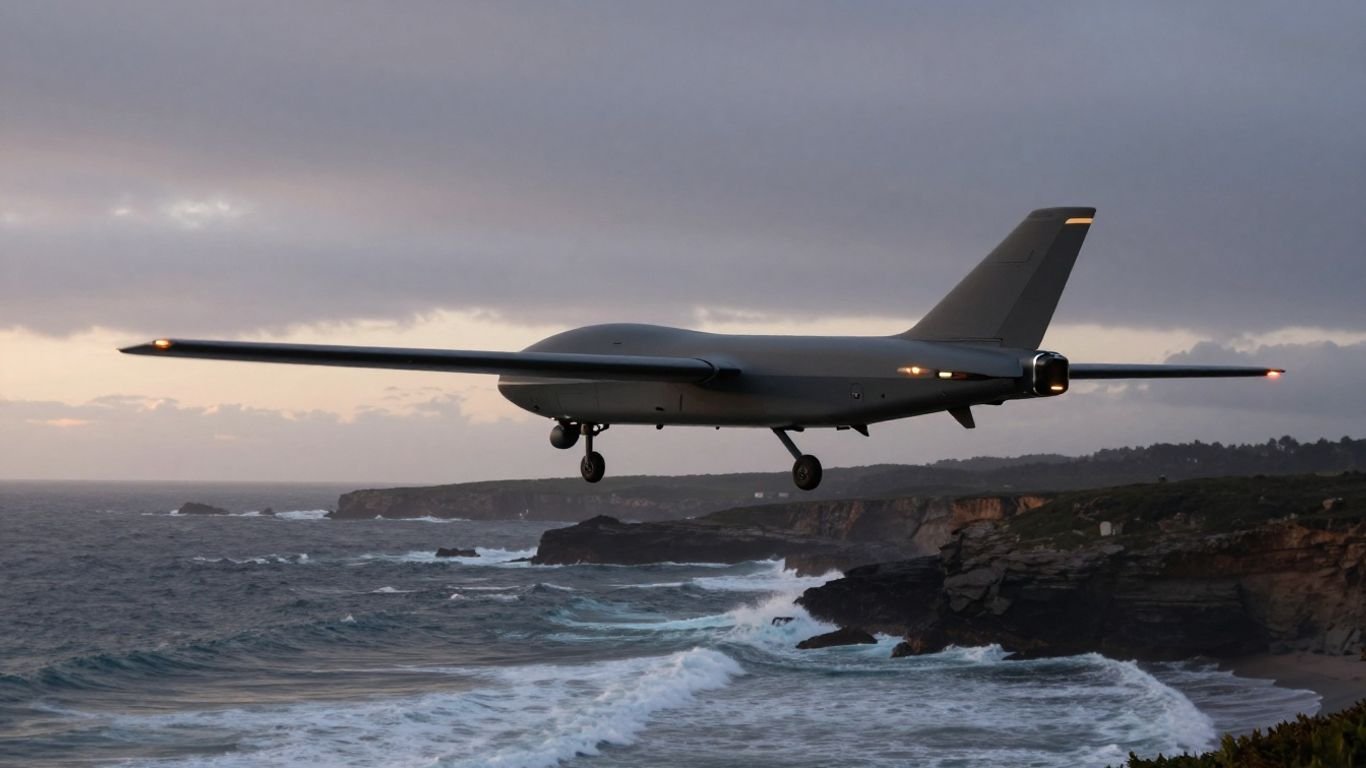
A comprehensive guide to the Ghost and Ghost-X platforms from Anduril Industries

Key Takeaways
This overview examines the capabilities, strategic evolution, and operational deployment of modern unmanned systems. Understanding these platforms provides insights into how modular, autonomous aircraft are reshaping tactical reconnaissance and field logistics.
- The platforms feature modular designs for rapid mission adaptation.
- Advanced autonomy reduces the burden on human operators in the field.
- Integration into large-scale defense programs ensures wide-reaching supply chain support.
- Cybersecurity and encryption are core to their design for high-stakes missions.
- Compliance with government standards facilitates rapid field adoption across defense branches.
The role of the Ghost family in modern defense
The landscape of uncrewed aerial systems is changing as operators demand greater versatility. These systems are moving away from proprietary, rigid architectures to open, adaptable frameworks that can respond to shifting battlefield demands. The emergence of the Ghost platform reflects this transition toward more resilient and capable autonomous assets.
Shifting paradigms in small unmanned aircraft systems (sUAS)
Modern defense strategies now favor small, attritable aircraft that can perform complex tasks without exposing personnel. This shift emphasizes the ability of units to see, map, and process data in real time, even in disconnected environments. Technology like the AgEagle eBee VISION demonstrates the demand for such lightweight systems, reflecting a broader trend where tactical reconnaissance is decentralized and pushed to the lowest unit levels.
Anduril’s approach to modular defense hardware
By focusing on standard interfaces and swappable payloads, the development trajectory centers on hardware that can stay relevant over long periods. Engineers prioritize designs that allow for the simple upgrade of sensors and processors as technology matures. This hardware philosophy ensures that an airframe remains a viable asset for multiple mission types, regardless of the individual component vintage.
Tactical reconnaissance and battlefield agility
Agility in combat is rooted in the speed at which a commander can receive actionable intelligence. These aircraft provide persistent, wide-area visibility that traditional patrols cannot match. Through low-altitude surveillance and rapid flight, teams gain a significant advantage in situational awareness, effectively neutralizing enemy movements before they present a threat.
Key features and capabilities of the Ghost platform
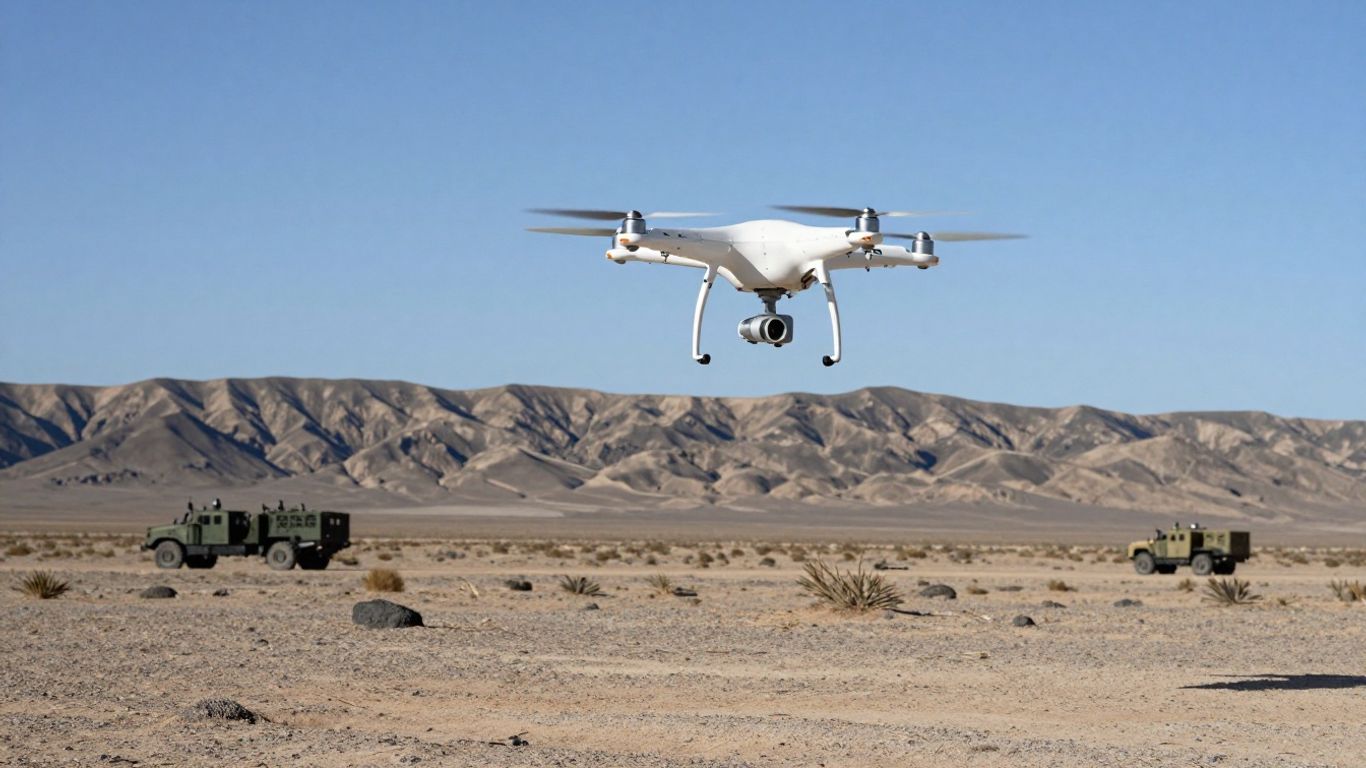
Performance is defined by the ability to launch and recover in restricted, unprepared areas without complicated ground infrastructure. Operators depend on hardware that combines high-endurance flight with advanced, edge-computing payloads. The advanced aerial platforms maintain these core performance traits across all variants in the lineage.
Vertical takeoff and landing (VTOL) performance
VTOL capability permits deployment in tight spaces, such as clearings, rooftops, or forward operating bases, where runways are nonexistent. This function limits the downtime between mission objectives and allows for spontaneous repositioning of sensors. By eliminating reliance on takeoff equipment, missions can begin almost immediately upon reaching a designated start point.
Sensor suite integration and data processing
Advanced internal processing units allow the aircraft to translate raw video into usable intelligence during flight. This reduction in latency means that commanders receive data as events unfold, rather than waiting for ground processing. The platform utilizes sophisticated data protection strategies to ensure that this mission-sensitive information remains secure during transmission.
Autonomy levels in dynamic environments
Autonomous navigation permits the platform to operate in GPS-contested regions where manual control is unreliable. Using onboard sensors, the aircraft can detect and avoid obstacles, maintaining its flight path while focusing on mission objectives. The level of machine intelligence embedded in these units significantly reduces the need for constant pilot oversight during routine surveillance segments.
| Feature Class | Capability Description | Operational Priority |
|---|---|---|
| Mobility | VTOL and rapid deployment | High |
| Sensing | Real-time edge processing | Critical |
| Linkage | Encrypted communication streams | Critical |
The integration of the table above highlights how critical hardware features prioritize rapid execution over traditional manual methods.
Resilience against electronic warfare threats
Operational integrity relies on the ability to survive in environments where signal jamming is common. The platform includes logic for frequency hopping and autonomous return-to-base protocols that activate when a connection is lost. This hardened communication layer is essential for maintaining control and data custody in contested spaces.
The evolution to Ghost-X: Enhancements and upgrades
As the tactical needs of the warfighter evolve, the Ghost-X variant introduces substantial hardware improvements over previous generations. These modifications address the increased demand for longer loiter times, enhanced sensing, and heavier payload support. The platform serves as a primary candidate for operations requiring extended reach and persistent observation.
Advancements in payload capacity and flight range
Increased motor performance and battery density enable the upgraded version to carry heavier sensor arrays for longer durations. This extension in range is vital for reconnaissance missions that originate from deep within friendly lines. By expanding the payload envelope, the platform can host specialized equipment tailored to specific environmental or atmospheric conditions.
Refinements in signal intelligence (SIGINT) capabilities
SIGINT components within the aircraft allow for the capture and analysis of electromagnetic emissions in the operating area. These sensors provide an additional layer of data, identifying non-visual threats that would otherwise remain hidden. By correlating visual and spectral input, the operator obtains a near-complete picture of the local electromagnetic environment.
Improved mission persistence and power management
Sophisticated power protocols manage the distribution of energy throughout the flight, maximizing total endurance. Efficient battery usage allows for rapid recharging and mission turnaround, keeping the aircraft in the air whenever it is needed most. This persistence ensures that potential gaps in monitoring are minimized during critical mission phases.
Modifications for rapid field deployment and transport
Design tweaks have ensured that the aircraft can be disassembled or folded for storage in modular transit cases. This portability is key for rapid deployment squads that move frequently by vehicle or on foot. Ease of assembly means that a single operator can prepare the unit for launch in minutes, promoting tactical speed.
Operational integration and the Replicator program
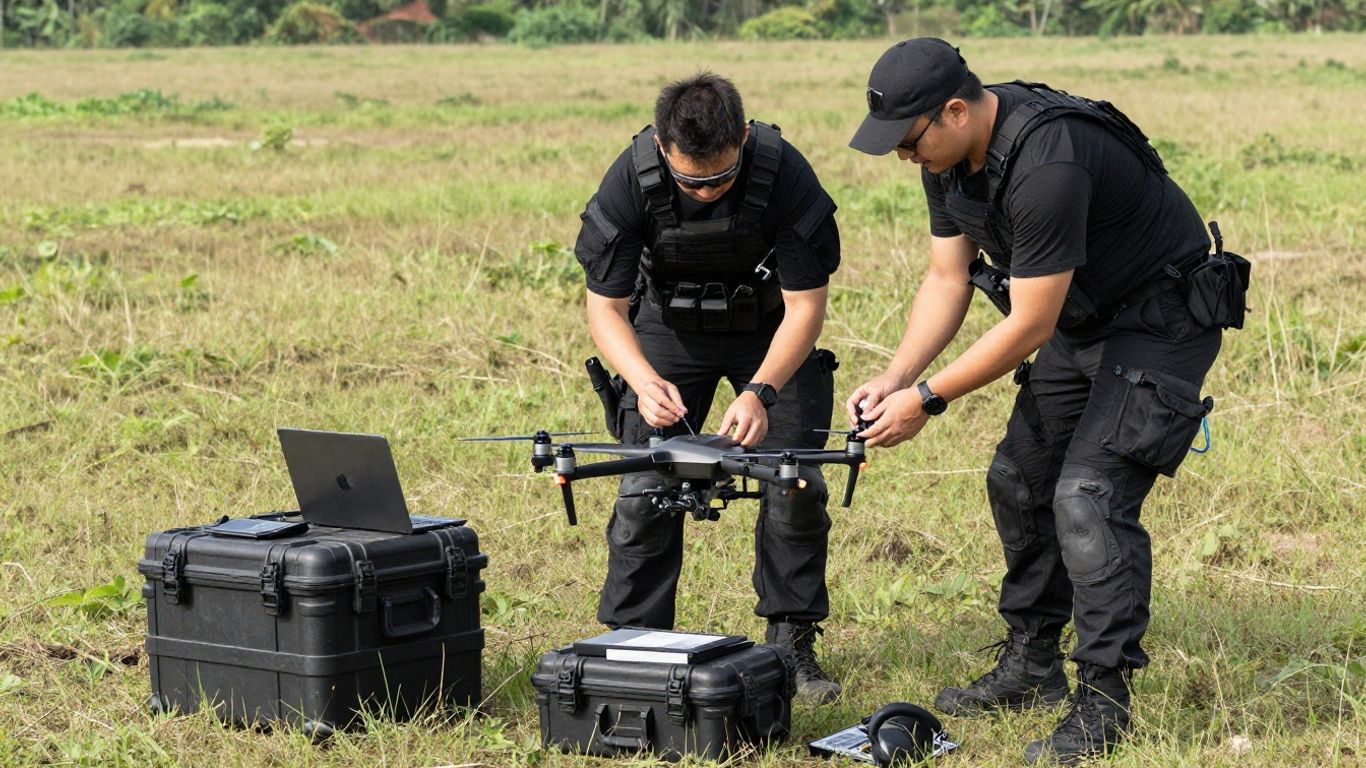
The ability to produce and field these systems at scale is a hallmark of modern defense procurement. Through current government initiatives, the Anduril production model is being integrated into larger fleets to provide massive, attritable aerial presence across multiple theaters.
Meeting Department of Defense requirements at scale
Scaling production involves translating engineering prototypes into reliable manufacturing runs that meet strict military quality standards. This process requires a robust supply chain capable of sourcing and assembling thousands of units simultaneously. Effective integration hinges on maintaining consistent performance across every single unit manufactured.
Streamlining manufacturing and supply chain logistics
By standardizing parts across the product line, the total manufacturing footprint is reduced. The following list identifies the key logistical benefits associated with this production approach:
- Reduced assembly time through modular component design.
- Common spare parts inventory across different aircraft configurations.
- Automated quality control measures during unit fabrication.
- Simplified pilot training due to uniform flight software.
This supply chain efficiency allows defense planners to project a higher volume of air support into operational theaters.
Interoperability with broader unmanned ecosystem networks
Integration into existing battlefield networks means the aircraft can share data with other assets on the ground. By mapping to common grid systems and communication standards, the hardware creates a cohesive intelligence, surveillance, and reconnaissance mesh. This connectivity allows units to leverage the data gathered by other platforms to improve their own mission efficacy.
Strategic advantages for combat zones
Combat environments require tools that act as force multipliers, and these aircraft are designed to manage the complexities of modern warfare. By automating routine observations, the burden on human decision-making is heavily reduced. The focus remains on strategic outcomes and speed, rather than mundane aerial piloting tasks.
Reducing operator cognitive load through AI automation
AI controls manage flight maneuvers, allowing the operator to concentrate on sensor information and tactical analysis. By handling stabilization and navigation internally, the system allows the team to make informed, data-driven decisions. This separation of duties leads to faster reaction times in high-pressure scenarios.
Deploying in contested electromagnetic environments
When faced with active jamming, the system employs advanced protocols to maintain flight stability and data gathering capabilities. These hardened defenses permit operation even when typical links are disrupted by external frequencies. Staying functional in such conditions is a distinct requirement for maintaining tactical momentum.
Adaptability to diverse mission profiles and requirements
Every mission brings different data-gathering needs, from wide-area mapping to target identification. The modular nature of the craft allows users to swap payloads as the mission shifts from morning reconnaissance to nighttime watch. This flexibility allows for an adaptable and long-lasting toolset on the front lines.
Compliance and tactical reliability
Ensuring that hardware meets the rigorous government standards is fundamental to its continued use. Approval processes and rigorous vetting signify that the system is ready for the high demands of defense life. These standards confirm that the hardware is as trustworthy as it is capable.
Navigating the Blue UAS cleared list requirements
Compliance involves meeting specific security, sustainability, and technological directives set forth by government regulators. Being on the official cleared list is a testament to the safety and reliability of the platform’s design in a government context. This approval serves as a baseline certification, assuring units that the technology is ready for operational assignment.
Cybersecurity and encryption standards in defense tech
Data custody and secure communications are non-negotiable in modern defense platforms. Hardened encryption standards ensure that signal uplinks and downlinks remain free from interception or external injection. This secure perimeter protects the missions and the aircraft from compromise throughout the chain of command.
Performance consistency in harsh climatic conditions
Reliability must be maintained across extreme heat, cold, and dusty environments. Rigorous stress testing ensures that flight controllers, motors, and sensors perform precisely as expected, regardless of global weather conditions. Tactical units rely on this consistency to maintain air dominance in every environment imaginable.
Conclusion
The evolution of these platforms from niche experimental systems to mass-produced, modular assets represents a major turn in defense technology. By prioritizing rapid manufacturing, cognitive load reduction, and hardened operational reliability, the current class of aerial systems provides commanders with a consistent and flexible advantage in complex combat settings.
Frequently Asked Questions
What are the main benefits of modular drone design?
Modular design allows for the rapid replacement of sensors and batteries, extending the lifespan of the aircraft while ensuring it remains equipped for current mission requirements.
How do autonomous platforms benefit small unit teams?
Automation allows small teams to gain immediate, accurate intelligence without needing a human pilot to control the aircraft, allowing them to focus on tactical decisions.
Why is vertical takeoff capability vital for reconnaissance?
It allows for rapid deployment in rugged, confined spaces where typical runways are unavailable, enabling teams to maintain surveillance from unconventional positions.
How does electronic warfare affect drone operations?
Active jamming can disrupt standard communication links, requiring the drone to have hardened, frequency-agile systems to maintain flight stability and data acquisition.
Are these drones considered safe for sensitive missions?
Yes, their design includes strict cybersecurity, encrypted communication standards, and hardware verification to ensure data remains secure while operating in critical roles.
Does weather impact the performance of modern unmanned systems?
These platforms are designed and tested to endure harsh climatic variables, ensuring that motors and sensors remain functional across diverse temperature and moisture ranges.
What is the role of edge computing in flight?
Edge computing allows the system to process incoming video data locally on the aircraft, ensuring that intelligence is generated in real time without high latency.