Keeping Your Drone Data Safe

Key Takeaways
Securing aerial systems requires a multi-layered approach that addresses both digital transmission and physical hardware integrity. This strategy ensures operations remain resilient against emerging threats.
- Perform comprehensive risk assessments before every mission deployment.
- Utilize encrypted communication protocols for all live video streams.
- Apply regular firmware patches to mitigate known system vulnerabilities.
- vet hardware components through a structured internal procurement review process.
- Implement strict data retention policies to minimize long-term privacy liability.
Understanding modern drone data security
Protecting uncrewed systems involves creating a unified defensive perimeter around both the aircraft and the controller. Maintaining consistent drone data security requires constant vigilance as threats evolve alongside technology. By addressing the entire lifecycle of information, operators can prevent unauthorized access to sensitive mission intelligence.
Identifying potential threat vectors
Threats often target the communication link between the aircraft and the ground control station. Sophisticated actors may attempt to intercept radio signals or manipulate signal protocols to disrupt flight commands. Organizations can refer to the OWASP Drone Security Cheat Sheet to identify specific vulnerabilities like replay attacks and Wi-Fi weaknesses while preparing their defensive measures.
Defining data types and classifications
Every mission generates diverse data, including high-resolution video, telemetry logs, and GPS coordinates. Classifying this information helps determine the level of protection required for storage and transmission. Safeguarding UAV information effectively means applying higher encryption standards to mission-critical imagery than to routine flight telemetry data.
Assessing regulatory compliance requirements
Regulatory frameworks often dictate how a business must handle sensitive aerial documentation. Companies must stay current with aviation authority standards to maintain legal standing during complex operations. Understanding these requirements is essential, as noted in the cyber security considerations for drone use (ITSAP.00.143) guide, which highlights the necessity of thorough risk assessment protocols.
Securing data during drone operations
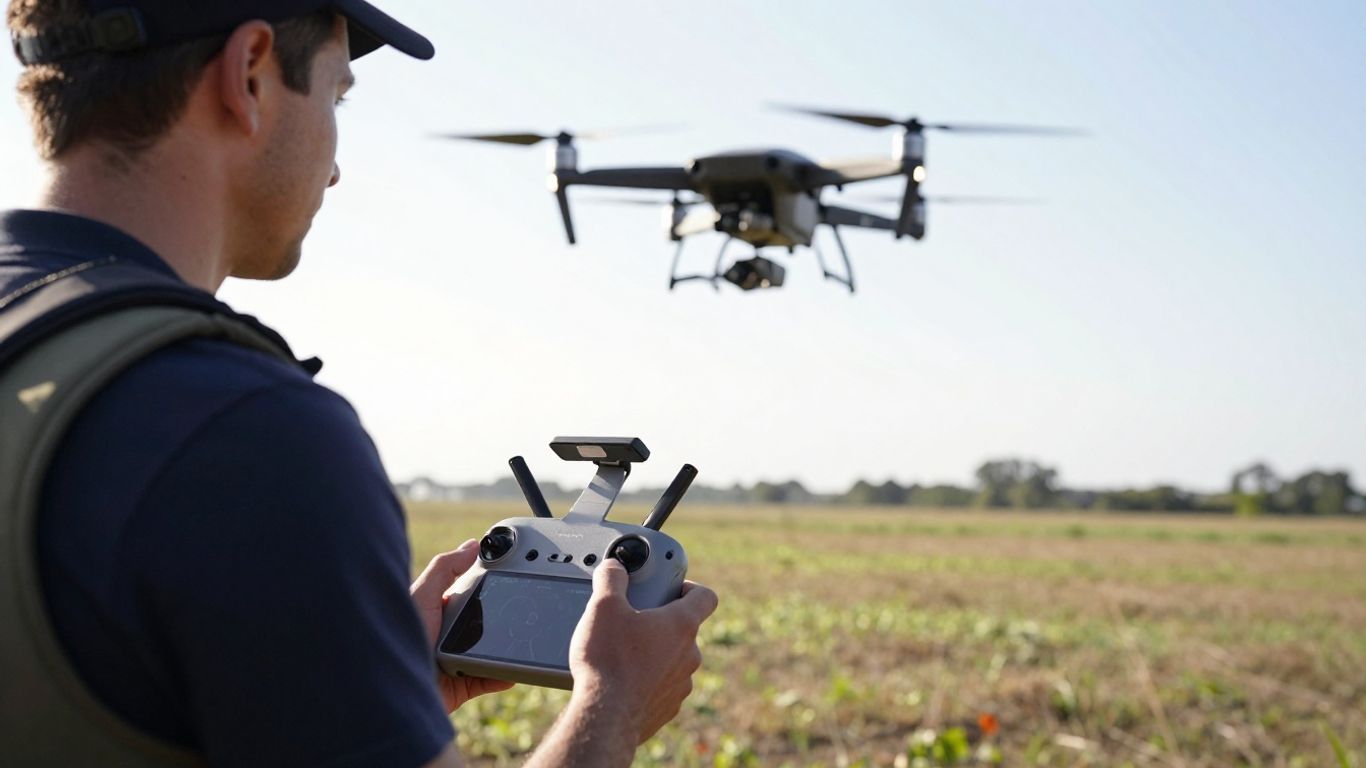
Operating drones safely requires intentional physical and digital hygiene from the moment the aircraft takes flight. Implementing robust procedures protects against field-based data leakage and unauthorized interception.
Managing onboard storage media safely
Physical media, such as SD cards, represents a high-risk point for data loss if misplaced or stolen. Operators should mandate the encryption of all onboard storage to ensure that data remains inaccessible to third parties. Following proper storage practices is a core part of general battery and equipment maintenance as detailed in the drone battery safety resource.
Utilizing end-to-end encryption protocols
Encryption ensures that data stays private by converting it into unreadable formats during transmission. Industry standards for securing drone video streams rely heavily on advanced protocols that verify both privacy and integrity.
| Protocol Type | Primary Function | Computational Load |
|---|---|---|
| AES-256 | Privacy Encapsulation | High |
| ChaCha20 | Stream Efficiency | Moderate |
| Digital Signatures | Sender Integrity | Variable |
Using these tested techniques prevents intruders from accessing live feeds, much like the advanced encryption methods provided by UPTEKO for critical infrastructure monitoring.
Establishing secure ground control station connections
Connections between the pilot and the aircraft must be shielded from external interference. Utilizing VPNs or private network segments helps maintain secrecy during complex mapping or inspection tasks. Ensuring this baseline security allows operators to manage fleet equipment as confidently as they would use a Rize Remedy 3 in their home for physical comfort, knowing the core reliability remains intact.
Best practices for cloud and network transmission
Transmitting data from the field to a central server introduces new points of vulnerability. Securing these pathways is foundational to protecting aerial footage from exposure in public or unsecured cloud environments.
Evaluating cloud service provider security features
Not every cloud platform is built with the same security priorities. Organizations must choose providers that offer granular control over data access and encryption at rest. If the provider does not offer multi-tenant isolation or transparent security reporting, it should be excluded from enterprise workflows.
Configuring secure data transfer channels
Data moves most safely through encrypted tunnels that prevent middle-man interception. Configuration settings should force TLS 1.3 or higher for all outbound traffic. This rigorous approach prevents leakage during the upload process, keeping operational secrets where they belong.
Auditing remote server access logs
Monitoring who accesses the server and when provides an essential layer of forensic control. Consistent auditing detects anomalous login attempts that suggest a compromised credential. By maintaining these logs, teams can respond rapidly to potential security breaches before they expand into wider system threats.
Addressing procurement and supply chain vulnerabilities
Building a secure drone fleet begins with the initial choice of hardware and manufacturer. Supply chain security acts as the first line of defense against backdoors or compromised components.
Assessing manufacturer data privacy policies
Before selecting a platform, leadership must examine the manufacturer’s stance on user information. Companies like DJI Enterprise provide specific controls such as their Network Security Mode, allowing users to actively manage and revoke device permissions for logs and flight records.
Identifying risks with hardware components
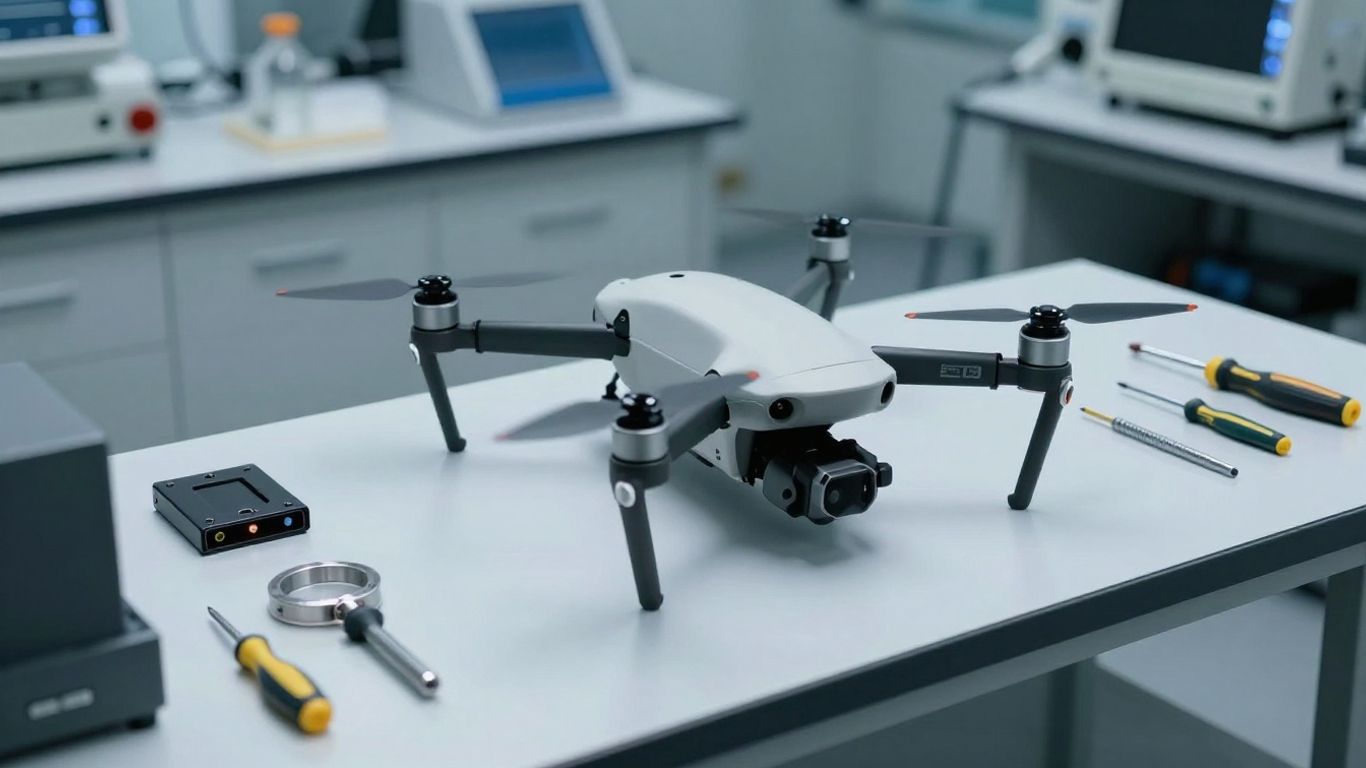
Component sources significantly influence the overall security integrity of an aerial platform. Organizations need to follow a clear methodology when inspecting new equipment:
- Verify the origin of critical flight-control chipsets.
- Inspect circuit boards for unauthorized or unexplained modifications.
- Review supply chain documentation for verified component provenance.
- Maintain an inventory of hardware patches.
Implementing an internal device vetting process
Centralized internal vetting prevents unsecured equipment from entering the operational inventory. Many defense-aligned entities look toward the Blue UAS program for guidance on finding systems that satisfy rigorous supply chain and cybersecurity standards.
Protecting sensitive site information
Metadata hidden within image files can inadvertently reveal the location and nature of protected facilities. Cleaning this data is a vital step in maintaining operational discretion.
Restricting geofencing data usage
While geofencing prevents drones from entering restricted airspace, the data generated can leak sensitive location details. Limiting the storage of these logs to local, encrypted environments prevents the exposure of protected site boundaries to third-party databases.
Managing metadata and location tracking tags
Every image file captures GPS data, time stamps, and camera settings. Before sharing or archiving files, analysts should strip these tags to remove precise location footprints, ensuring the imagery does not compromise sensitive landmarks.
Sanitizing drone imagery of sensitive landmarks
Technicians should apply digital blurring or masking to imagery before uploading it to shared servers. This simple action renders sensitive infrastructure unrecognizable while preserving the analytical quality of the visual content for project goals.
Advanced security strategies for enterprise drones
Advanced operations demand higher standards for platform access. Integrating organizational security policies with flight operations ensures that the entire enterprise remains hardened.
Implementing multi-factor authentication for operators
Strong authentication prevents unauthorized users from accessing the control interface. Enforcing multi-factor login requirements ensures that even if credentials are stolen, the secondary verification prevents the malicious takeover of fleet controls.
Maintaining regular firmware and software patching
Outdated software leaves systems vulnerable to known exploits that attackers track. Regular patching cycles are a baseline requirement for securing platforms. Choosing American-made drones that prioritize consistent software support provides a significant advantage for maintaining operational resilience.
Establishing long-term digital retention policies
Keeping excessive historical data increases the potential impact of a system breach. A standard digital retention policy dictates how long footage and logs should exist before being securely purged. This minimizing practice effectively limits the potential scope of any future data privacy concerns.
Conclusion
Establishing professional security standards for uncrewed systems is a continuous process that matures with your operational needs. By layering encryption, strict procurement, and intelligent data management, organizations protect their aerial assets while ensuring mission integrity. As the technology continues to shift, staying informed via resources like Autel vs DJI drone reviews will help businesses choose the right systems for their evolving data safety requirements.
Frequently Asked Questions
How often should I check for firmware updates?
Updates should be checked at least monthly or whenever a critical security bulletin is released by the manufacturer.
Can hardware be physically compromised during shipping?
Yes, unauthorized interdiction in the supply chain can lead to tampered hardware, which is why internal vetting is critical.
Why is encryption better than just password protection?
Passwords only control entry, whereas encryption ensures that even if the hardware is stolen, the stored digital files cannot be viewed.
Is it safe to store flight data in the cloud?
Cloud storage is safe only if the provider supports robust encryption at rest and allows you to audit all access logs continuously.
What metadata should be removed from images?
You should strip GPS location coordinates, precise date/time stamps, and device identifiers before distributing imagery of sensitive sites.
How do I handle a drone if I suspect it is compromised?
If you believe a system is compromised, perform a search for crash recovery or security incident steps, such as those found in a formal drone crash checklist, to safely isolate the unit.
What is the purpose of a threat risk assessment?
A threat risk assessment identifies the potential cybersecurity hazards specific to your operating environment so you can implement targeted defenses.