
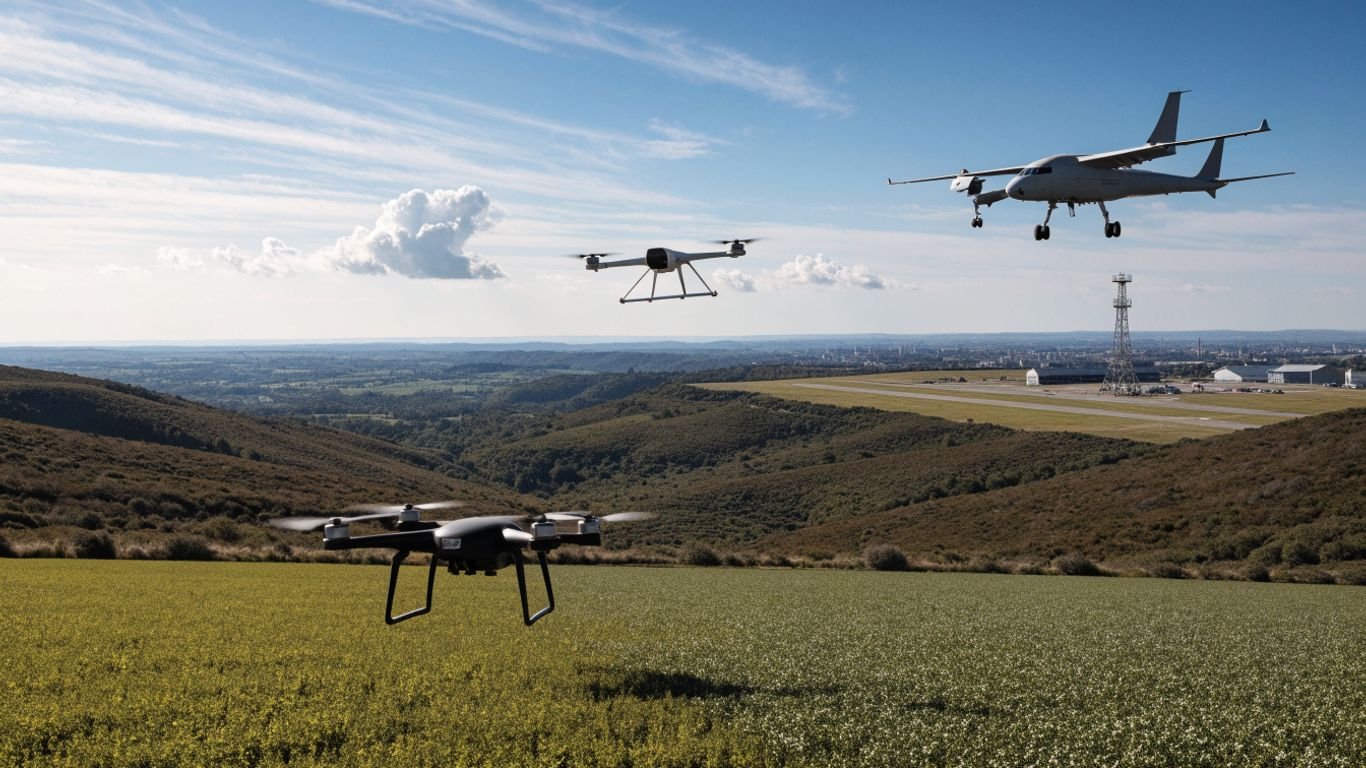
EASA drone categories explained: Open, specific, and certified

Key Takeaways
EASA’s three categories sort drone operations by risk, with different controls for lower-risk flights and more demanding missions. The right category depends on the planned operation as well as the aircraft.
- The open category covers lower-risk flights that stay within defined limits.
- A1, A2, and A3 set different conditions for operating near people.
- Flights outside open-category limits may need a specific-category pathway and additional controls.
- The certified category is intended for operations with the highest level of risk.
- Operators should check aircraft eligibility, pilot requirements, airspace rules, and national guidance before each mission.
How EASA classifies drone operations
EASA’s framework groups civil drone flights into open, specific, and certified categories. The categories reflect the risk of the operation and the controls needed to manage it, rather than simply sorting aircraft by size or purpose. That makes the flight plan, location, and people who could be affected central to the decision. The rules apply across the EU, while competent authorities and local restrictions can affect how an operation is authorised.
What “risk-based” means for drone rules
A risk-based system links the level of oversight to the possible consequences of a flight. A straightforward operation with limited exposure to people may fit the open category, while a more complex mission may need an assessment and formal approval. The level of operational risk guides which controls are appropriate; a drone’s price or marketing label does not decide the category. The framework also leaves room for new types of operation to be assessed without treating every flight alike.
How the operation—not just the drone—affects the category
The same aircraft may be used in different ways, and those flights do not necessarily fall under the same conditions. Consider where it will fly, how close it may come to uninvolved people, whether it will remain within visual line of sight, and what happens if something goes wrong. Aircraft characteristics matter too, including its class identification and whether it qualifies for the intended subcategory. The EASA drone regulations FAQ is a useful place to check topics such as registration, training, and operational requirements.
What operators should check before flying
Before planning a route, identify the mission and confirm which rules apply in the country and airspace concerned. EASA’s risk-based approach is specific to aviation; other frameworks do not determine a drone’s category. For example, the EU AI Act concerns artificial intelligence regulation, not permission to conduct a flight. For US-based readers, FAA drone rules are a separate national framework and should not be substituted for EASA requirements.
The open category: lower-risk operations
The open category is designed for lower-risk operations that can meet its conditions without an operational authorisation. It is commonly relevant to recreational flying and some commercial work, but the purpose of the flight alone does not establish eligibility. Operators still need to comply with limits on altitude, proximity to people, and the aircraft used. EASA’s open-category guidance provides further detail on subcategories, training, and registration.
The A1, A2, and A3 subcategories
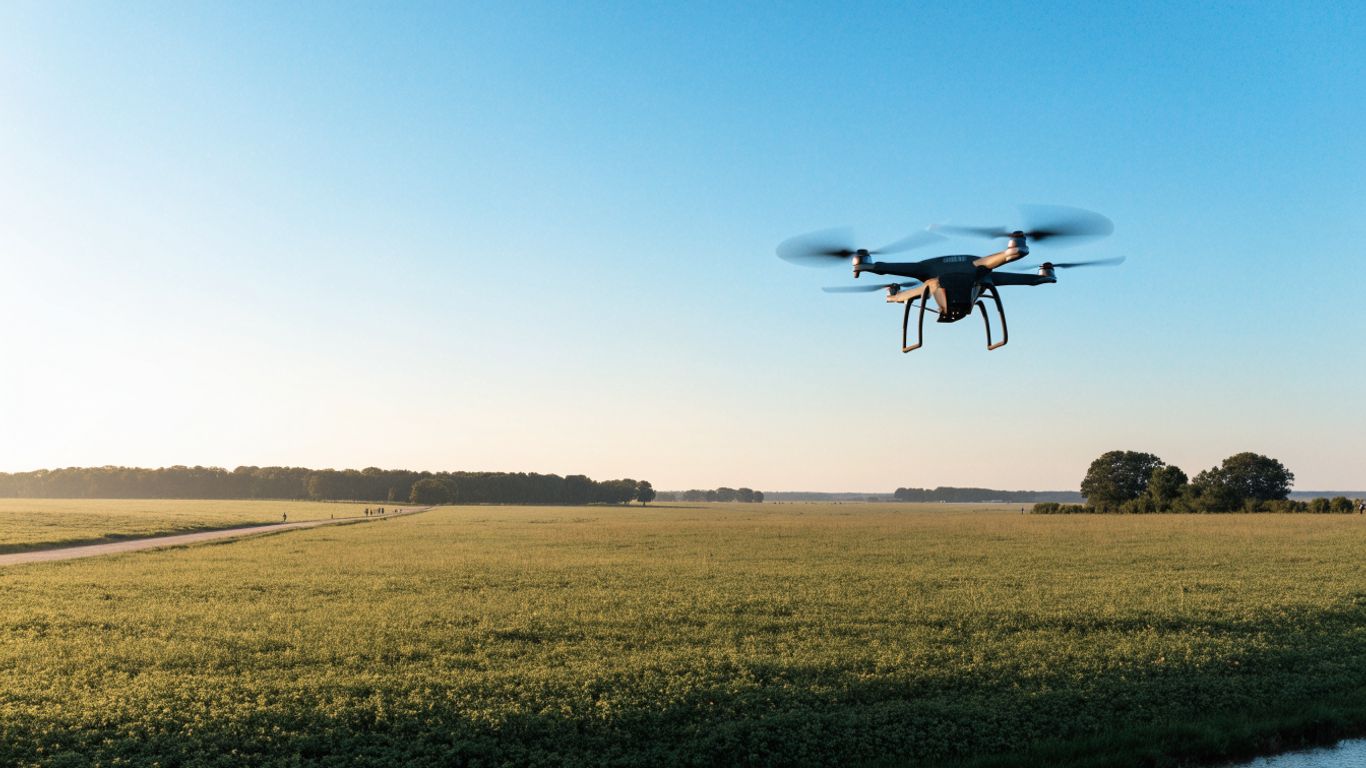
The three subcategories distinguish flights by how close they may operate to people and the level of separation expected. In broad terms, A1 allows limited flight over people but not assemblies of people, A2 permits operation close to people under specific conditions, and A3 requires greater separation. Each subcategory has its own aircraft and remote-pilot requirements. The table gives a high-level comparison, not a substitute for checking the applicable rules for a particular drone.
| Subcategory | General operating context | Key consideration |
|---|---|---|
| A1 | Flights that may pass over individuals, but not assemblies | Check aircraft eligibility and avoid assemblies of people |
| A2 | Flights closer to people | Apply the required separation and pilot competency rules |
| A3 | Flights farther from people | Keep the operation well clear of uninvolved people and built-up areas |
Use this as an initial orientation, then verify the exact conditions attached to the aircraft and flight. A subcategory is not a general permission to fly anywhere nearby people; location and airspace restrictions remain relevant.
Limits on height, distance, and people nearby
Open-category operations have limits that shape where and how a drone can be flown. A general maximum height of 120 metres above the closest point of the earth’s surface applies, subject to specific exceptions in the rules and national conditions. Operators must also maintain the required visual line of sight and observe the people-related limits for their subcategory. Check geographical zones and local restrictions before takeoff, since an otherwise eligible flight may still be prohibited or constrained at a particular site.
When a drone’s class marking matters
A drone’s class identification label helps establish which open-category operations it can conduct, but it is only one part of the check. The class, applicable transitional provisions, and the aircraft’s documentation can all matter. A similar-looking model may be sold in versions with different markings, so inspect the actual aircraft and its compliance documents rather than relying on a product name alone. Confirm that the aircraft is permitted for the intended subcategory under the current rules.
What to do when an operation exceeds open-category limits
If a planned flight cannot meet the open-category conditions, do not treat the limits as optional or assume that a commercial purpose creates an exemption. First, see whether the operation can be redesigned—for example, by changing its route, altitude, or proximity to people. If it still falls outside the open category, assess whether a specific-category route is available. The operator should resolve the authorisation question before flying, not after a flight plan has already been put into practice.
The specific category: operations that need added controls
The specific category covers operations that present more risk than the open category allows, but do not necessarily reach the certified category’s highest-risk threshold. Depending on the operation and applicable pathway, the operator may need to assess risks and obtain authorisation from the competent authority. The resulting controls are tied to the mission rather than being a general permission for all flights with that aircraft. EASA’s Open and Specific category comparison can help readers understand how operating limits and pathways differ.
Common missions that fall outside the open category
A mission may fall outside open-category limits if it involves conditions the open rules do not permit, such as operating beyond visual line of sight or flying closer to people than the applicable subcategory allows. A demanding environment or unusual operational design may also call for additional assessment. These examples do not automatically mean every such flight follows one identical approval process. The details of the proposed operation, its risks, and the relevant rules determine the pathway.
Operational risk assessments and authorisations
Where an operation requires a risk assessment, the operator must describe the mission and identify the hazards, people or property exposed, and measures used to reduce risk. The assessment should match the proposed operation—not a broad description that leaves important conditions unspecified. Depending on the applicable route, an operator may seek authorisation from the competent authority or use another recognised compliance pathway. An authorisation’s conditions define what the operator may do and must be followed in practice.
Standard scenarios and light UAS operator certificates
Standard scenarios offer a defined route for certain operations when their conditions are met. An operator may submit a declaration for an applicable standard scenario rather than seeking an individual operational authorisation, subject to the governing requirements. A light UAS operator certificate, or LUC, is a separate organisational approval that may grant specified privileges to an eligible operator. Neither option should be assumed to apply simply because a mission resembles a familiar use case; check the exact scenario, eligibility, and authority requirements.
How operational conditions shape the rules
Specific-category controls can depend on details such as the flight area, the people exposed, aircraft performance, and the procedures used to manage an abnormal event. Those details matter because a route through an empty rural area differs from one near buildings and uninvolved people. When reviewing a proposed operation, operators can use a short sequence of questions to keep the assessment grounded:
- What is the exact flight path, operating area, and duration?
- Who could be exposed to risk, and how could that exposure be reduced?
- What aircraft, crew, procedures, and contingency measures will be used?
- Which authorisation or declared pathway covers these conditions?
The answers should describe the real mission and its controls, not just the intended benefit. If operating conditions change, the operator should check whether the assessment or approval still covers the revised flight.
The certified category: highest-risk operations
The certified category addresses drone operations with the highest level of risk and a corresponding level of aviation oversight. It may involve certification of the aircraft, approval of the operator, and licensing requirements for the remote pilot, depending on the operation. Passenger-carrying flights are a commonly cited example of the kind of operation that may fall into this category. The framework is developing as new types of aircraft and operations emerge; EASA’s certified-category overview outlines the broad approach.

Operations that may require certification
Operations with a particularly high potential for harm may require the certified category. Passenger transport is one clear example; certain cargo or complex operations may also require consideration of this framework, depending on their characteristics and the applicable rules. The category is not triggered by a single label such as “commercial” or “large.” The competent authority and applicable regulatory criteria determine the requirements for a specific operation.
Certification for the drone, operator, and remote pilot
Certified operations can involve separate requirements for the aircraft, the operator, and the person piloting it. Depending on the operation, aircraft certification and airworthiness approval may be required, along with an operator approval and a pilot licence. These elements address different responsibilities: the aircraft’s airworthiness, the organisation’s ability to conduct the operation, and the pilot’s qualifications. Operators should consult the competent authority for the requirements that apply to their proposed operation.
How certified operations differ from specific operations
Both categories can require additional controls, but the certified category is intended for the highest-risk operations and may bring requirements closer to those used in manned aviation. The specific category offers pathways such as operational risk assessment, standard scenarios, or an eligible LUC route. Those pathways do not automatically replace certification where the nature of the operation calls for it. EASA’s drones and air mobility information provides context on the wider development of rules and authorisations in Europe.
How to identify the right category for a flight
A practical category check starts with the proposed operation, not a guess based on the drone’s appearance. Establish the location, flight profile, proximity to people, and the consequences of a loss of control or other failure. Then compare the plan with open-category limits and see whether a defined specific-category pathway is available. If the potential risk is high, or the operation involves features such as carrying people, consult the competent authority about whether certification is necessary.
Check the mission, location, and people exposed to risk
Write down what the drone will do, where it will fly, and who could be affected if the operation does not go as planned. Consider whether the flight is within visual line of sight, the surroundings, the people present, and any ground or air risks. This basic description helps distinguish a simple flight from one that needs more controls. It also makes it easier to check local geographical zones and explain the operation to an authority if needed.
Compare the operation with open-category limits
Next, check whether the aircraft and flight meet the requirements of a specific open subcategory. Confirm the class marking or other applicable aircraft status, the relevant people-separation conditions, height limit, and pilot competency requirements. If any element falls outside the applicable conditions, the flight is not made open-category compliant by adding informal precautions. Consider whether the plan can be changed or whether another regulatory pathway is required.
Identify whether a specific-category pathway is available
For an operation that cannot fit the open category, examine whether a standard scenario, operational authorisation, or another applicable specific-category route covers it. Each pathway has its own eligibility and conditions, so a general resemblance to a scenario is not enough. Operators should ensure their documentation and procedures align with the actual flight. If there is uncertainty about the route or authority, resolve it before committing to the operation.
Recognise when certification may be necessary
If an operation presents the highest level of risk, consider whether the certified category applies rather than trying to stretch a lower-risk pathway. Passenger flights are an example that may call for certification and related aviation approvals. Other factors can also affect the decision, so operators should not infer the answer from aircraft size or commercial status alone. Seek guidance from the competent authority when the classification is unclear.
Requirements operators should plan for
Choosing a category is only one part of preparation. Operators may also need to address registration, remote-pilot competency, insurance, privacy, airspace restrictions, and records. These requirements vary with the operation and, in some cases, the Member State. For comparison, drone certifications and training describes US FAA-related qualifications; those are separate from EASA competency requirements.
Registration and operator identification
Operators should check whether registration is required for them and the planned operation, and understand how operator identification must be displayed or used. Requirements can depend on the aircraft and whether it has a camera or other sensor capable of capturing personal data, among other conditions. Registration is distinct from aircraft certification and does not itself authorise a flight. Confirm the current rules with the relevant national aviation authority.
Remote pilot competency and training
Remote pilots must meet the competency requirements applicable to the category and subcategory they will fly in. Training and examination requirements differ, so the pilot should verify what applies to the aircraft and mission rather than assuming one qualification covers every operation. Commercial onboarding or sales training is not a substitute for aviation competency; Ultimify, for example, describes preparation for a sales workday and cold-calling training, not drone-pilot qualifications. Keep proof of relevant training and competency available where required.
Insurance, privacy, and local airspace restrictions
Check insurance obligations in the country of operation and review privacy and data-protection duties when a flight may capture identifiable people or property. For clarity, a website privacy notice such as the CREATUS.AI privacy policy concerns that website’s handling of personal data; it is not guidance on drone operator compliance. Similarly, Amoeba Networks discusses safe AI use and data security for small businesses, separate from aviation permissions. Before flying, check local airspace restrictions and geographical zones, which can impose limits even when the operation fits a category.
Keeping records and checking for rule updates
Keep records appropriate to the operation, including relevant authorisations, declarations, training evidence, and flight or maintenance information where required. Make sure the documents match the aircraft and conditions actually used. Sector-specific obligations should not be confused with aviation rules: OutClaim, for example, describes healthcare insurance-claim workflows, not drone approvals or operator records. Rules and national implementation can change, so check current EASA material and competent-authority guidance before a new or materially changed operation.
Conclusion
EASA’s open, specific, and certified categories provide a risk-based way to match drone operations with appropriate controls. Start with the mission and the people who could be affected, then verify aircraft eligibility, operating limits, and the applicable approval route. When the flight does not clearly fit the open category—or its risk is unusually high—confirm the pathway with the competent authority before flying.
Frequently Asked Questions
What are the three EASA drone categories?
EASA groups civil drone operations into open, specific, and certified categories. They correspond broadly to lower-risk operations, operations requiring added controls, and operations with the highest level of risk.
What is the difference between the open and specific categories?
Open-category flights must stay within defined operational limits and generally do not require an operational authorisation. Specific-category operations fall outside those limits and may need a risk assessment, authorisation, or another recognised pathway.
What do A1, A2, and A3 mean?
They are subcategories within the open category, with different conditions for operating near people. Broadly, A1 permits limited flight over individuals but not assemblies, A2 allows closer operations under conditions, and A3 requires greater separation.
Can a commercial drone flight be in the open category?
Yes. Commercial purpose alone does not determine the category. A flight may fit the open category if it meets the applicable aircraft, pilot, and operating conditions.
Does every BVLOS flight require the certified category?
No general assumption should be made that a beyond-visual-line-of-sight flight belongs in the certified category. Such an operation will generally need consideration under the specific-category framework, but the applicable pathway depends on the operation and current rules.
When might a drone operation need certification?
Certification may be required for operations with the highest level of risk. Passenger-carrying operations are a prominent example, but the competent authority and regulatory criteria determine the requirements for each proposed operation.
Do EASA drone rules apply identically in every European country?
The EU framework provides common rules, but national authorities administer requirements and local geographical zones or restrictions can affect a flight. Operators should check the rules and airspace information for the country and location where they plan to fly.