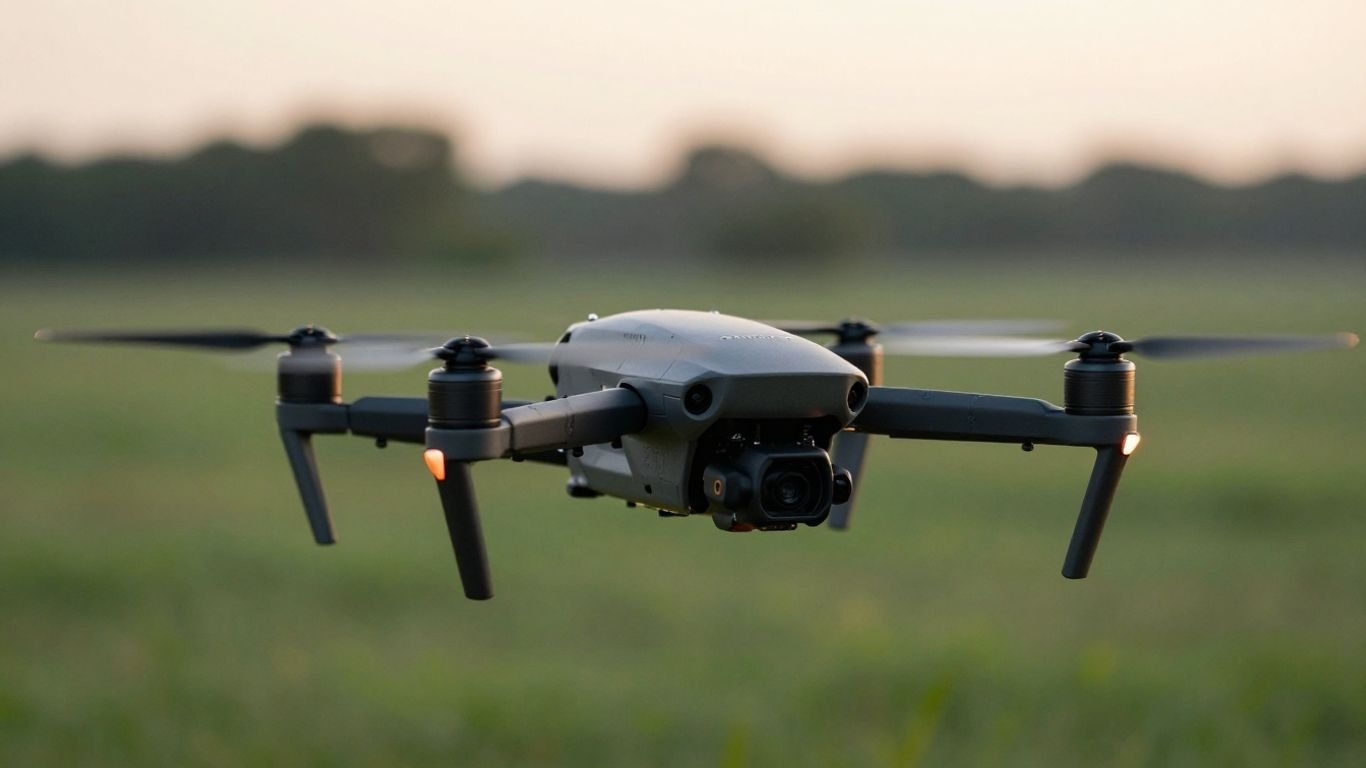
The C100 PDW: a complete guide to tactical drone operations

Key Takeaways
This article examines the operational capabilities and tactical deployment of unit-level unmanned aerial systems. It highlights how platforms like the C100 improve reconnaissance, command, and control in contested environments.
- Modular payload integration enables multi-mission versatility.
- Advanced encryption ensures secure communications in electronic warfare environments.
- Portability allows rapid deployment by dismounted infantry teams.
- Autonomous navigation assists operations in GPS-denied terrains.
- Software-defined upgrades provide long-term hardware flexibility.
Introduction to the C100 PDW platform
Evolution of Performance Drone Works tactical systems
The landscape of tactical reconnaissance has shifted toward heavy-lift quadcopters capable of sustained performance in complex zones. Performance Drone Works developed their systems to bridge the gap between small, disposable drones and complex, resource-heavy aircraft. By focusing on modularity, these systems allow commanders to adapt quickly as mission parameters change on the ground.
Core design philosophy of the C100 airframe
The airframe design prioritizes mechanical reliability and weight management to ensure endurance. The team created a platform that remains field-repairable, reflecting lessons learned from veterans who identified critical shortcomings in legacy Group 1 sUAS platforms. This focus on durability ensures the system functions even when internal components are pushed to the limit.
Integration within modern infantry and special forces units
Small teams now utilize these assets to gather intel without exposing personnel to direct hazards. Whether supporting dismounted infantry or elite units, the integration process remains seamless due to the system’s intuitive handling. Commanders use these assets to fill the gaps in organic reconnaissance, providing a consistent view of the forward edge of the battlefield.
Technical specifications and hardware overview
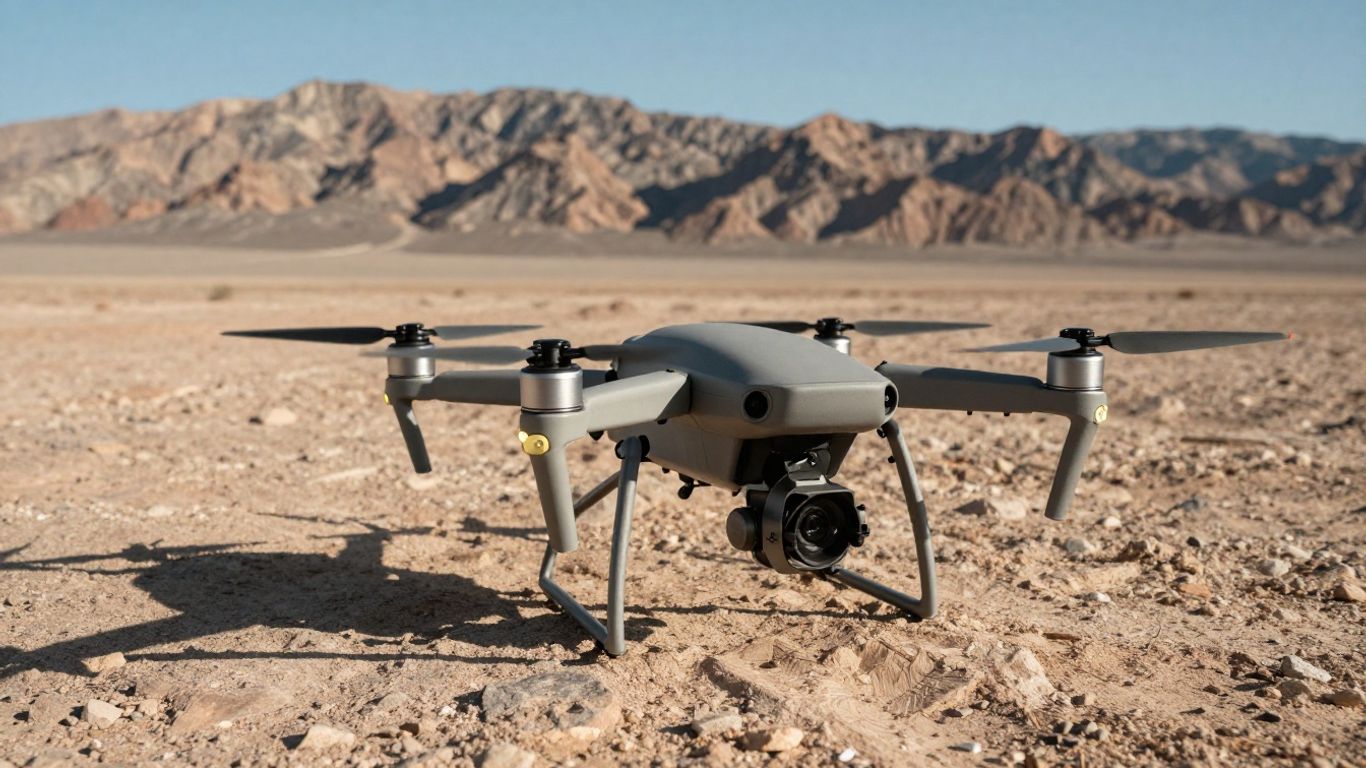
Propulsion and flight endurance metrics
The propulsion system is engineered to handle varying wind conditions while maintaining a steady hover for prolonged periods. Achieving flight times that allow for extended surveillance missions, the system remains a backbone for specialized units. This endurance is a core aspect of its design, enabling operators to stay connected to the mission longer without needing frequent battery replacements.
Sensor suite capabilities for advanced reconnaissance
Versatile payload slots allow the operator to swap between electro-optical, thermal, and sensor-based systems as required by the reconnaissance mission. The C100 PDW platform, for example, supports a variety of multi-sensor systems that can identify targets at significant zoom levels. This flexibility ensures that the unit on the ground always has the right “eyes” for their specific tactical scenario.
Portability, foldable design, and deployment speed
Efficiency in the field depends on how quickly an operator can launch and retrieve the system. The foldable chassis snaps together in minutes, ensuring that air support is available whenever an immediate need arises. Operators appreciate the weight reduction, which allows them to carry mission-critical payloads over long distances without fatigue.
Durability standards and environmental resilience
Testing to the edge means subjecting hardware to the same conditions soldiers face, including rain, dust, and temperature swings. The following table showcases the operational standards verified during the platform’s development cycle.
| Feature | Performance Standard |
|---|---|
| Environmental Rating | IP54 Compliant |
| Max Speed | 40 MPH |
| Flight Endurance | 74 Minutes |
These metrics are validated not just in controlled labs, but through real-world deployment data. Such reliability builds confidence for operators working in remote or rough environments where support is rarely immediate.
Operational advantages in combat environments
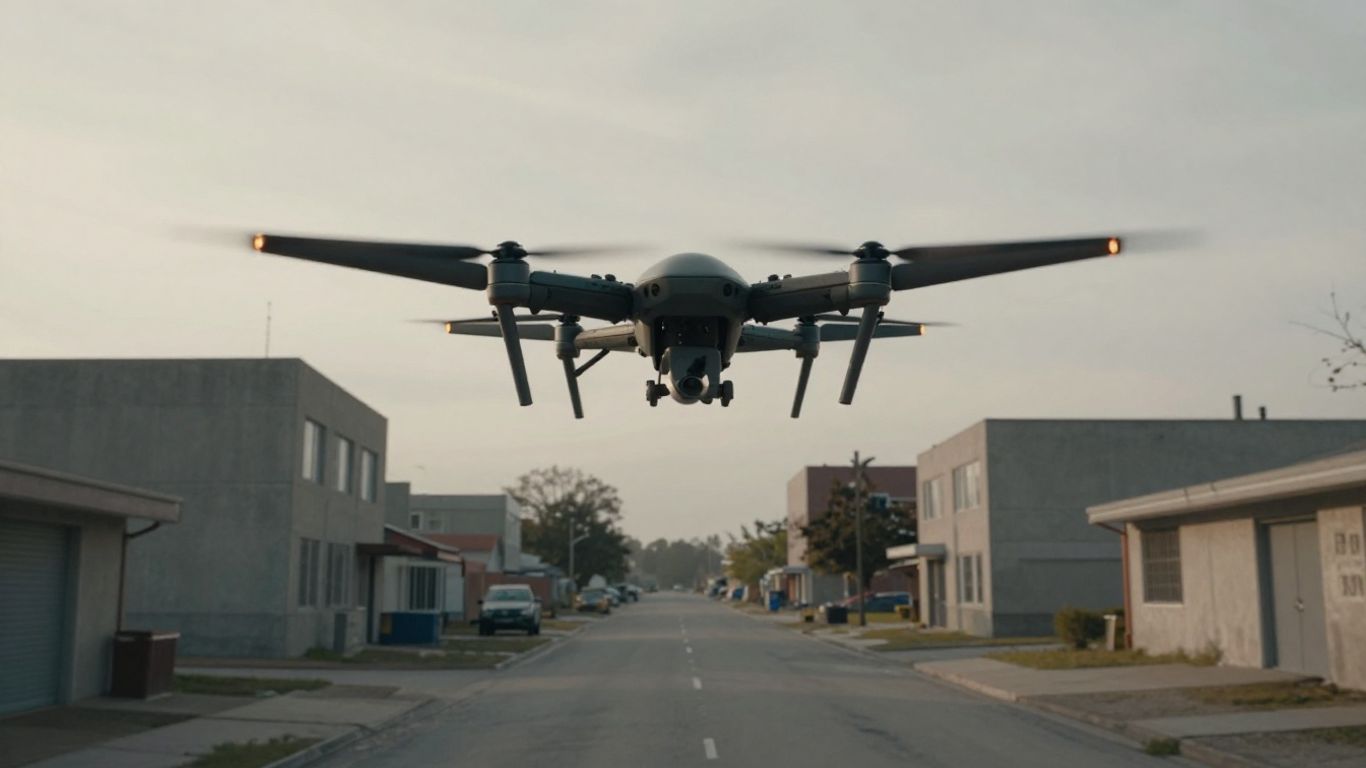
Utilizing the C100 PDW for covert wide-area surveillance
Low-signature design is essential for maintaining the element of surprise during area observation missions. By keeping acoustic and visual profiles small, the system can monitor key access points without drawing attention. This capability is vital for teams attempting to map terrain or track movement before initiating a mission-critical maneuver.
Enhancing situational awareness in complex urban settings
Urban terrain introduces obstacles that degrade traditional GPS and line-of-sight communication. Advanced navigation assists the operator in maintaining a clear picture despite these obstructions. The ability to peer behind structures provides an unparalleled edge for the unit tasked with securing complex city environments.
Synchronized coordination with dismounted ground-based units
Effective teams utilize data feeds to adjust their approach based on live updates from the aerial operator. When dismounted ground-based units are properly supported by aerial reconnaissance, they benefit from several operational improvements:
- Earlier detection of threats through real-time thermal imaging.
- Improved route planning based on current traffic and obstructions.
- Decreased reliance on vulnerable signals in contested zones.
- Higher precision during engagement because of target identification.
Following these protocols allows units to move with assurance, as they are no longer relying on blind intuition to navigate forward positions during a movement to contact.
Advanced software and guidance features
Autonomous flight modes and dynamic waypoint navigation
Automated navigation allows the system to follow complex routes without constant manual corrections from the operator. By pre-programming waypoints, the drone can focus on stable flight while the operator manages incoming data. This is particularly helpful in high-stress environments where physical and cognitive load management is high.
Reliable navigation in contested zones ensures the data link remains active even when adversaries attempt to jam local signals or spoof GPS coordinates.
This level of autonomous control supports a steady data stream regardless of the difficulty of the surrounding terrain.
Data link encryption and secure communication protocols
Securely transmitting video feed and telemetry data is the cornerstone of modern encrypted communications in warfare. By utilizing resilient protocols, the system prevents unauthorized interception, ensuring that tactical secrets remain between the drone and the ground controller. This focus on cybersecurity meets stringent procurement standards required for enterprise and defense-grade hardware.
Interface usability and control schemes for field operators
Control schemes are designed to mirror familiar interfaces, which lowers the training barrier for new pilots. By simplifying how commands are issued, the operator can focus on the mission objective rather than the complexities of the flight stack. This user-centric layout is consistent across the fleet, allowing personnel to switch platforms with minimal transitional training.
Strategic implementation in joint military operations
Analysis of drone deployment effectiveness during JRTC exercises
During recent JRTC exercises, units tested the versatility of these systems in scenarios replicating high-intensity combat. Observing artillery impacts and tracking mock opposing forces provided a testbed for optimizing aerial assets. These exercises proved that drones are not just gadgets but essential tools for maneuver coordination.
Scaling fleet utilization across diverse military branches
As different services begin to see the value in heavy-lift quadcopters, the adoption of standardized UAV platforms continues to climb. By scaling across different branches, the military creates a shared understanding of tactical capabilities. This unified approach makes logistics and maintenance chains easier to manage over large, distributed forces.
Future-proofing tactical capabilities with software-defined upgrades
Software-defined systems are inherently more flexible than fixed-hardware solutions. As new threats emerge, the ability to update firmware provides a path for consistent improvement without replacing the entire physical unit. This keeps the fleet relevant in a shifting technological environment, ensuring that today’s investment remains viable for future operations.
Conclusion
The deployment of advanced tactical drone systems represents a significant shift in how units approach front-line reconnaissance and mission support. By combining modular durability with secure, autonomous software, these assets provide a reliable multiplier for tactical teams on the ground. As integration continues to scale across global operations, the focus remains on leveraging these platforms to enhance situational awareness and operational freedom.
Frequently Asked Questions
How do heavy-lift drones differ from smaller tactical quadcopters?
Heavy-lift drones offer increased payload capacity and sustained flight time compared to micro-drones, allowing for larger sensor arrays and longer-range missions. They are designed for more demanding reconnaissance and communications relay tasks rather than just short-range visual checks.
Can these drones operate in GPS-denied environments?
Many modern platforms include vision-based navigation systems that allow them to determine their location and follow paths even when GPS signals are unavailable or being jammed by opposing electronic warfare systems.
What determines the flight endurance of a tactical drone?
Endurance is primarily driven by the weight of the battery, the efficiency of the rotors, and the total weight of the mission payload. Extra sensor weight or higher power consumption during aggressive maneuvering will typically reduce the available flight time per battery pack.
Why is software-defined hardware considered a tactical advantage?
Software-defined systems allow for firmware updates that can enable new flight modes, improve signal handling, or enhance sensor capabilities without requiring physical modifications. This ensures that existing inventory can be upgraded to counter evolving battlefield threats quickly.
How are these systems protected against electronic warfare attacks?
Advanced encryption and spectrum-hopping radios are used to keep communication secure. These systems are designed to minimize their electromagnetic footprint and maintain connections in contested spectral environments where interference is prevalent.
What is the advantage of a modular payload system?
Modular systems allow for rapid reconfiguration of a single drone for different missions, such as moving from high-zoom optical reconnaissance to thermal search tasks or signal detection. This versatility ensures that limited numbers of airframes can fulfill a wide range of operational requirements.
Do operator interfaces require specialized pilot licensing?
While core operation is designed for accessibility, effective use in tactical scenarios usually requires specific unit-level training to understand mission-specific flight modes, sensor management, and coordination with ground commands.