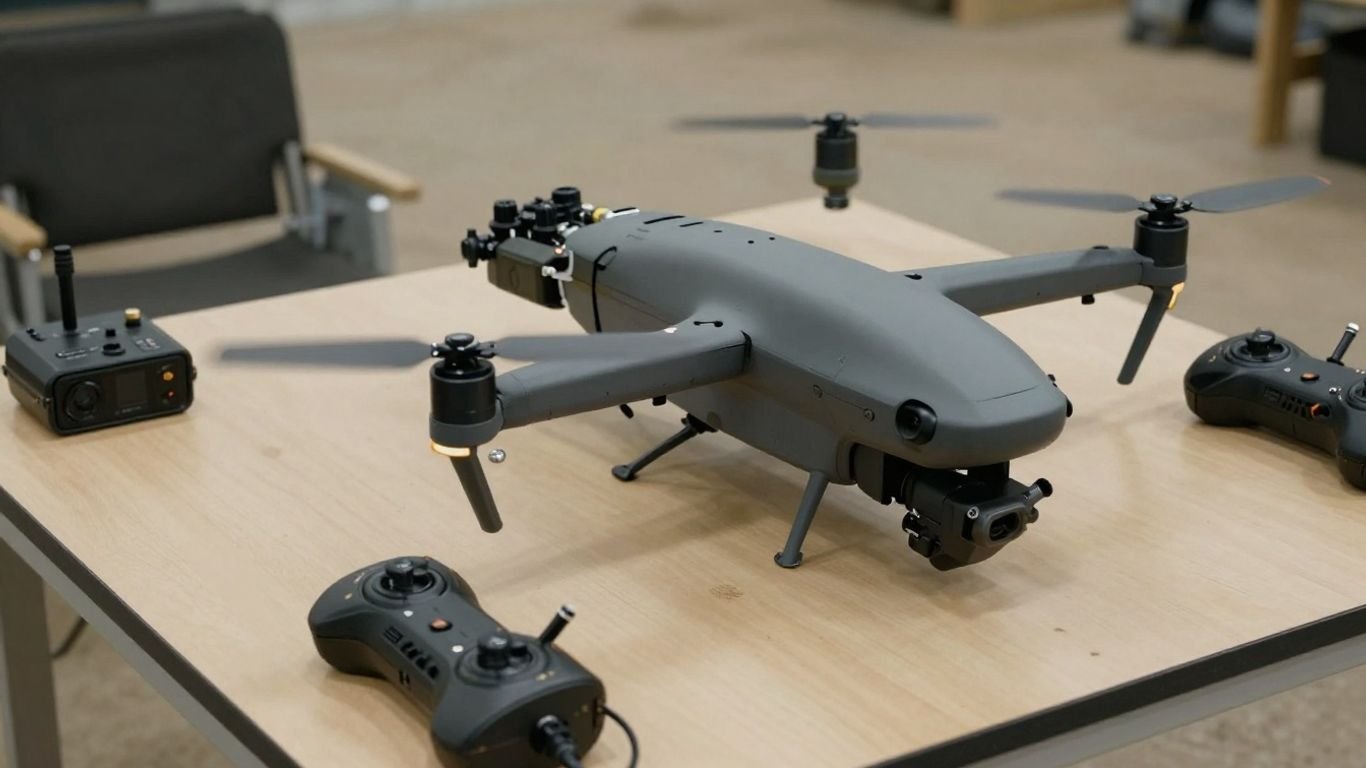
A comprehensive guide to the Parrot ANAFI USA GOV and MIL editions

Key Takeaways
Choosing the right aerial system for government work requires balancing stringent security protocols with operational versatility. These platforms provide essential support for secure missions while maintaining strict compliance with evolving regulatory standards.
- Verified Blue UAS certification ensures compliance with federal procurement requirements.
- Advanced encryption and security protocols prevent data exposure during field operations.
- Modular hardware configurations allow for specialized payload adaptation across various mission types.
- Standardized fleet maintenance schedules improve equipment longevity and operational readiness.
- Secure, offline operational capabilities guarantee data sovereignty in disconnected or denied environments.
Understanding the Blue UAS certification
Agencies across the globe increasingly prioritize hardware that meets rigorous standards for transparent supply chains and encrypted communications. The formal vetting process ensures these systems adhere to specific cybersecurity policies, reducing risks associated with foreign-manufactured components. By focusing on these benchmarks, organizations can deploy equipment that maintains internal integrity while pushing the boundaries of reconnaissance.
The importance of data security and privacy
Protecting sensitive intelligence begins with robust onboard authentication and encrypted storage solutions. Operators must maintain strict control over their mission logs and captured imagery to ensure gathered data remains protected from unauthorized exposure. For those concerned about information handling, managing file redaction represents a critical step in preserving operational privacy before data is shared with external stakeholders.
Compliance with NDAA standards
Adherence to federal guidelines is non-negotiable for agencies requiring secure, policy-compliant equipment. These regulations ensure that all hardware components meet domestic sourcing and manufacturing criteria, effectively mitigating systemic security vulnerabilities. The ANAFI USA GOV/MIL Parrot platforms demonstrate consistent compliance with these directives through their rigorous design and manufacturing protocols.
Why government and military agencies require approved hardware
Agencies operate in high-threat environments where reliability and information assurance are paramount for mission success. Approved hardware removes the guesswork from procurement, providing a foundation of trust that off-the-shelf consumer devices cannot offer. This level of confidence allows teams to focus on tactical reconnaissance without fearing hardware compromises.
Evolution of the Parrot security roadmap
Manufacturers have progressively shifted their development cycles to prioritize cyber resiliency and hardware-level safeguards. This roadmap includes frequent firmware audits and improvements to wireless communication links to address emerging threats. The goal is to provide a consistent security posture that evolves alongside the changing landscape of electronic warfare.
Comparing the ANAFI USA GOV vs. MIL versions
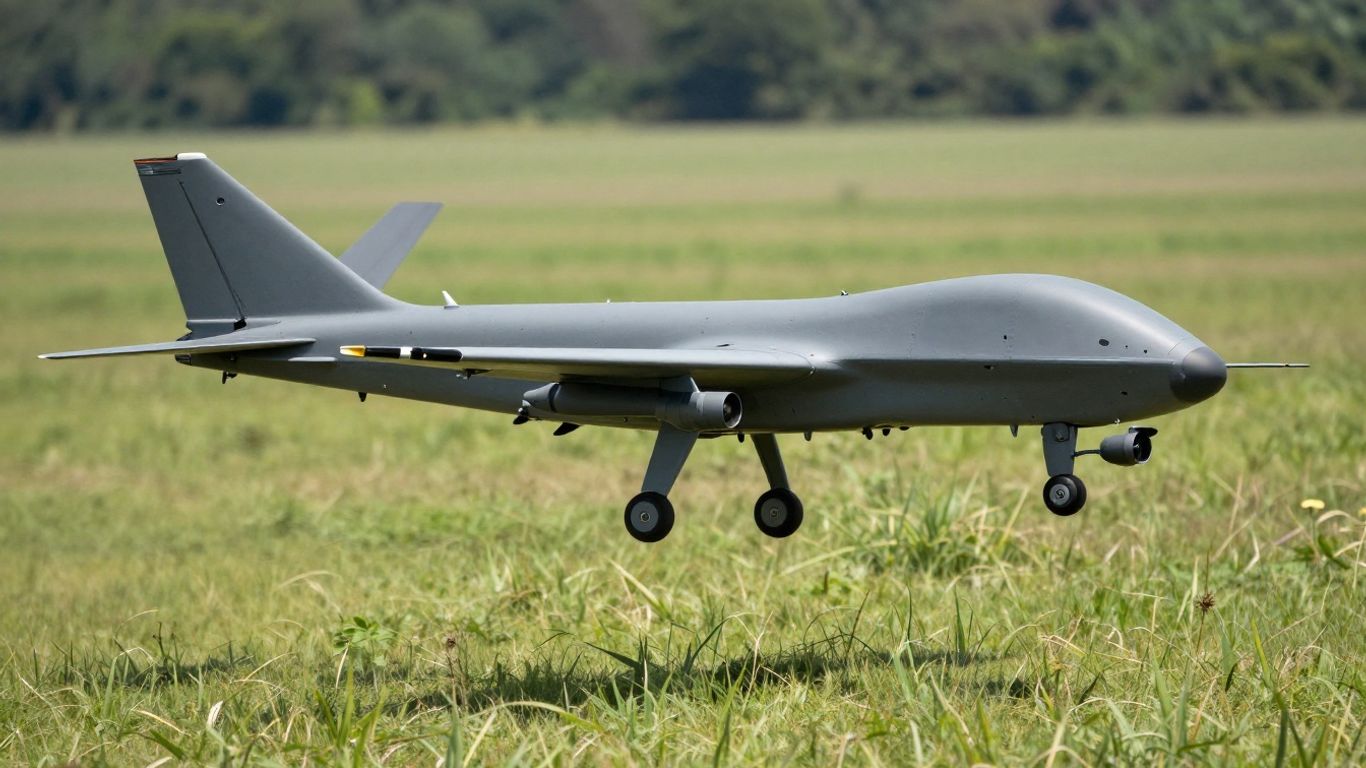
Selecting between the GOV and MIL variants depends heavily on the specific needs of the operator and the environmental complexity of the mission. While both models share a foundational architecture, the MIL version often incorporates specialized software or hardware hooks designed for more complex digital ecosystems. Users should evaluate their specific agency requirements to identify which tactical reconnaissance setup provides the most value for their operational goals.
Hardware and sensor configuration differences
Both versions leverage high-resolution imaging and thermal capabilities, but the internal hardware architecture may differ to support specific tactical requirements. The MIL configuration is typically engineered for scenarios demanding advanced sensor integration, such as specialized surveillance modules. These platforms enable detailed imaging performance, often assisted by secure drone communication protocols that manage data flow from the sensor to the ground control station.
Software and encryption feature sets
Encryption at the source remains the cornerstone of these systems, with each variant benefiting from hardware-based security keys. The MIL version often provides deeper integration with military-grade management software for real-time mission planning. Operators rely on these persistent security features to maintain a clean digital footprint, regardless of the mission scale.
Deployment use cases for specialized government field work
Government agencies prioritize rapid deployment and ease of use when operating in remote locations during public safety emergencies. These systems enable rapid setup in under sixty seconds, allowing personnel to gain situational awareness immediately upon arrival. When operators encounter long-duration missions, prioritizing ergonomic drone operation becomes essential to minimize physical fatigue during prolonged controller use.
Tactical capabilities for military-grade missions
Advanced tactical operations require platforms that can handle complex mission parameters while maintaining communication security in jammed environments. The MIL variant supports specialized tactical workflows that allow for secure, low-latency command updates. These enhancements ensure that teams maintain visual clarity and operational control, even when facing significant interference or adverse signal conditions.
Key imaging and performance specifications
Operational performance is defined by the balance between imaging fidelity, flight endurance, and physical ruggedness. Modern platforms must provide consistent results across diverse environments, from arid desert terrain to dense, mountainous regions. By integrating high-resolution thermal imaging sensors, teams can detect critical temperature variations that indicate potential threats or hidden objects, regardless of ambient lighting conditions.
Zoom capabilities and thermal imaging sensors
Equipped with dual-spectrum capabilities, these systems provide a powerful combination of optical zoom and heat detection. This allows for clear identification of targets from significant distances while preserving the safety of the operator. The imaging performance serves as a force multiplier in standard search-and-rescue operations.
Flight endurance and battery management
Efficient battery management ensures that mission time is maximized without risking the safety of the hardware. Modern pilots follow strict battery cycles to ensure long-term, predictable flight times across large search areas. Below, you can see how performance metrics vary across environmental conditions:
| Condition | Flight Time | Stability Rating |
|---|---|---|
| Ideal Weather | 32 Minutes | High |
| Moderate Wind | 28 Minutes | Moderate |
| Harsh Environment | 24 Minutes | Low |
Operators utilize these benchmarks to plan multi-stage sorties effectively, ensuring total fleet coverage during extended missions.
Wind resistance and tactical flight stability
Stability is a prerequisite for capturing precise imagery in unpredictable weather. These platforms are designed to withstand significant wind gusts, maintaining a steady hover that keeps sensors focused on the target. Such stability is absolutely necessary when working in complex urban or coastal environments where wind patterns shift rapidly.
Portability and rapid deployment setup
Weight is a crucial factor for mobile ground teams requiring a man-portable solution that fits into standard tactical gear. The foldable design translates into a compact form factor that can be carried into even the most inaccessible terrain. The following features facilitate this rapid deployment strategy:
- Foldable, lightweight airframe designed for solo transport.
- Integrated controller display for immediate feedback.
- Pre-calibrated sensors to reduce on-site prep time.
- Quick-lock battery modules for fast swapping.
This design philosophy ensures that equipment is operational in seconds rather than minutes, which is vital for time-critical field tasks.
Data security and encryption standards
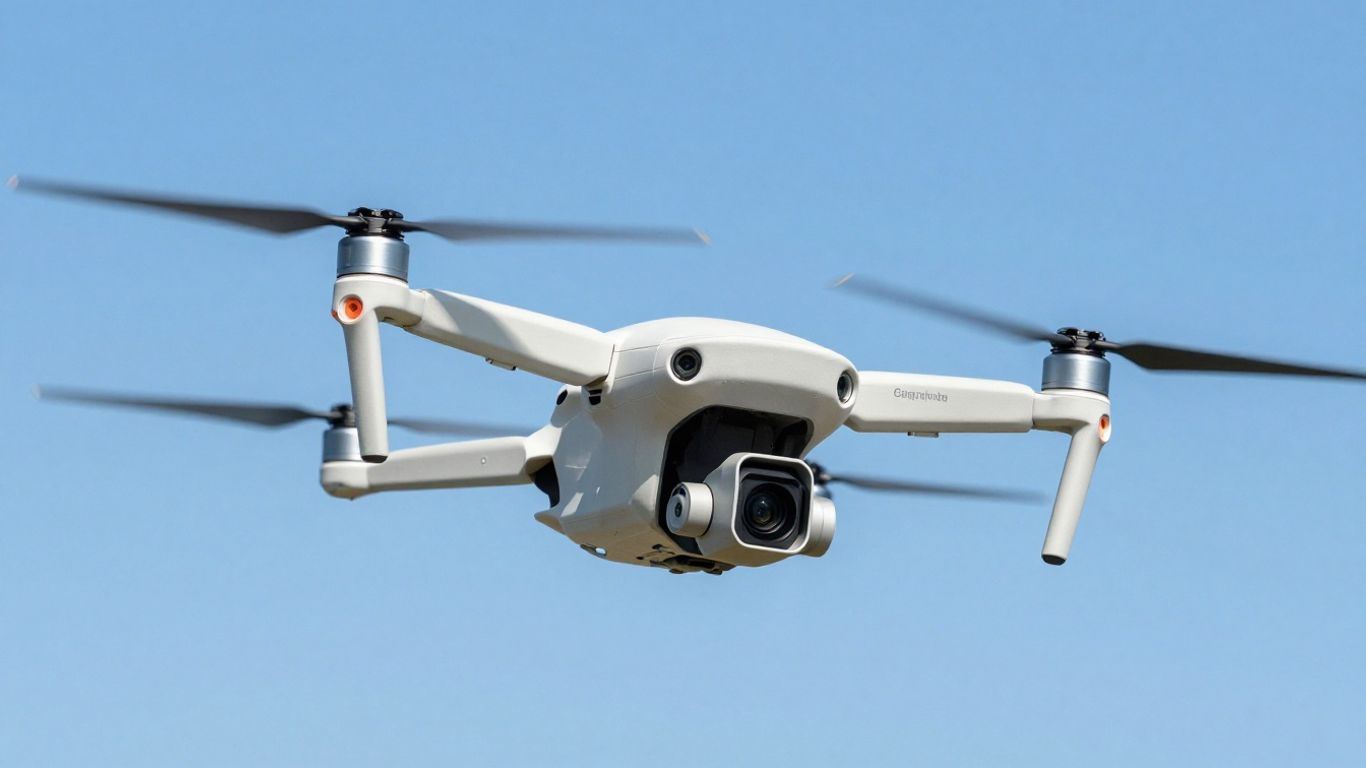
Data sovereignty and security remain the highest priorities for departments managing sensitive field assets. By implementing hardware-based encryption at rest, these systems ensure that data loss scenarios do not lead to information leakage. The security architecture is designed to prioritize data integrity throughout the entire capture-to-export chain.
Secure data links and communication protocols
Communication security protects the command-and-control link from interception or hijacking attempts by external threats. The platforms utilize encrypted frequency hopping to ensure that control signals remain stable in high-noise environments. Ensuring that these signals are resilient requires periodic auditing of the link configuration to maintain optimal security.
AES-XTS 512-bit encryption for onboard storage
Storing information on the aircraft itself requires the highest level of encryption currently available to prevent unauthorized access. The AES-XTS 512-bit standard provides deep protection, rendering data unreadable if the physical hardware is intercepted or lost. This baseline of security is essential for missions involving classified or highly sensitive intellectual property.
Offline operational capabilities and data sovereignty
Operating in disconnected areas requires that the system remains fully functional without an active cloud or internet connection. By centralizing operations locally, agencies can guarantee that no telemetry or metadata ever leaves their secure infrastructure. This ensures compliance with strictly controlled data sovereignty mandates, providing peace of mind during highly sensitive operations.
Mitigation of unauthorized signal interception
Active signal mitigation strategies prevent adversaries from tracking the operational footprint of the squad. By maintaining low-emission states and utilizing hardware-level firewalls, the platforms stay discreet even during peak activity. Consistent maintenance of these protocols, validated through verified quality standards, helps ensure the equipment remains invisible to unwanted observers.
Integration with tactical ecosystems
Successful mission outcomes often depend on the seamless integration of aerial data with existing ground-based intelligence networks. By utilizing open standards for data porting, these systems integrate into broader command environments without requiring proprietary black boxes. This flexibility supports existing data pipelines for rapid intelligence consolidation.
Mapping and georeferencing software interoperability
Mapping software requires highly accurate telemetry data tied to every frame of captured video. Interoperability ensures that spatial data flows directly into existing GIS tools without the need for manual alignment or time-consuming conversion. Operators gain immediate access to actionable terrain models, which is an essential requirement for professional aerial reconnaissance.
Field-ready controller and display options
Control interfaces are designed for rugged, field-ready performance, allowing pilots to adjust settings while wearing tactical equipment. The displays provide high-brightness viewing for clear vision in direct sunlight, which is critical for long days in the field. These controllers serve as the primary interface for managing mission data and maintaining stable flight control.
Integration with command and control platforms
Connecting these drones to command suites allows field intelligence to be shared instantly across the network. By employing standard data protocols, commanders can view what the drone is capturing in real-time, facilitating a faster decision-making cycle. This connectivity acts as a primary link between individual operators and central leadership.
Third-party payload adaptability
Flexibility is achieved through a standardized hardware interface that supports modular sensor payloads. Agencies can swap sensors based on the specific mission requirements, from visual scanning to specialized light-spectrum analysis. This adaptability minimizes the need for multi-drone fleets, reducing the total logistical burden on the command team.
Maintenance and lifecycle support
Long-term reliability depends on established sustainment routines that keep equipment performing at a peak factory level. When machines operate in harsh conditions, they require specific care to remain compliant and operational. Professional guidance, much like seeking community wellness outreach, is necessary to ensure both the equipment and the users stay prepared for long-term duty cycles.
Standardizing fleet maintenance routines
Organizations benefit from a standardized approach to maintaining drones, which keeps maintenance predictable and avoids catastrophic failures. Tracking usage hours and part replacements allows managers to foresee when critical components need attention. Adopting a structured maintenance schedule significantly extends the lifespan of sensitive flight hardware.
Firmware update protocols for secure environments
Security-conscious firmware updates are managed via localized delivery mechanisms rather than direct cloud connections. This ensures that patches are vetted locally before widespread deployment across the fleet. These protocols protect against malicious updates while keeping the system software up to date with the latest features.
Repair and replacement logistics for tactical drones
Managing components ensures that the fleet remains ready at all times, even when individual units suffer operational wear. A strong logistics chain supports rapid part swaps in the field, reducing down-time for the entire service team. Maintaining a ready supply of mission-critical parts is the mark of an effective operation.
Accessing Parrot professional technical support
Technical support teams help maintain the performance of professional hardware through direct support and expert guidance. Having access to knowledgeable staff ensures that software integration and maintenance queries are resolved promptly, keeping the systems active and productive for their intended tactical applications.
Conclusion
Securing effective drone operations requires a strategic focus on NDAA-compliant systems that bridge the gap between high-performance tactical reconnaissance and rigorous security. By adopting the ANAFI USA GOV/MIL Parrot platforms, government and military agencies access a reliable, hardened architecture designed for diverse mission profiles, ensuring operational integrity while maintaining critical data sovereignty in the most demanding field environments.
Frequently Asked Questions
What does Blue UAS certification signify?
It confirms that a drone meets stringent federal cybersecurity requirements, ensuring the platform is cleared for procurement in government and military environments.
Why is NDAA compliance necessary for government drones?
It ensures that the hardware components are sourced and manufactured according to specific domestic standards, preventing the use of forbidden foreign components in critical operations.
Can these drones operate in GPS-denied environments?
Many tactical platforms include advanced internal stabilization and vision-based positioning, allowing them to remain stable and controllable even when satellite signals are blocked or unavailable.
How does AES-XTS 512-bit encryption protect data?
This encryption method secures locally stored data on the aircraft hardware, making it impossible for unauthorized parties to read stored files or mission imagery without the correct keys.
Is the drone flight data sent to the cloud?
These enterprise systems are designed to operate offline, ensuring that all telemetry and mission logs remain on the local hardware unless the operator manually chooses to export them.
What weather conditions can the drone tolerate?
These platforms typically feature ruggedized designs capable of operating in high winds and light inclement weather, though professional pilots should always verify limits before departure.
How do modular payloads enhance mission versatility?
They allow operators to easily swap sensors, such as high-resolution optical cameras for thermal sensors, without needing multiple specialized drones for different mission profiles.