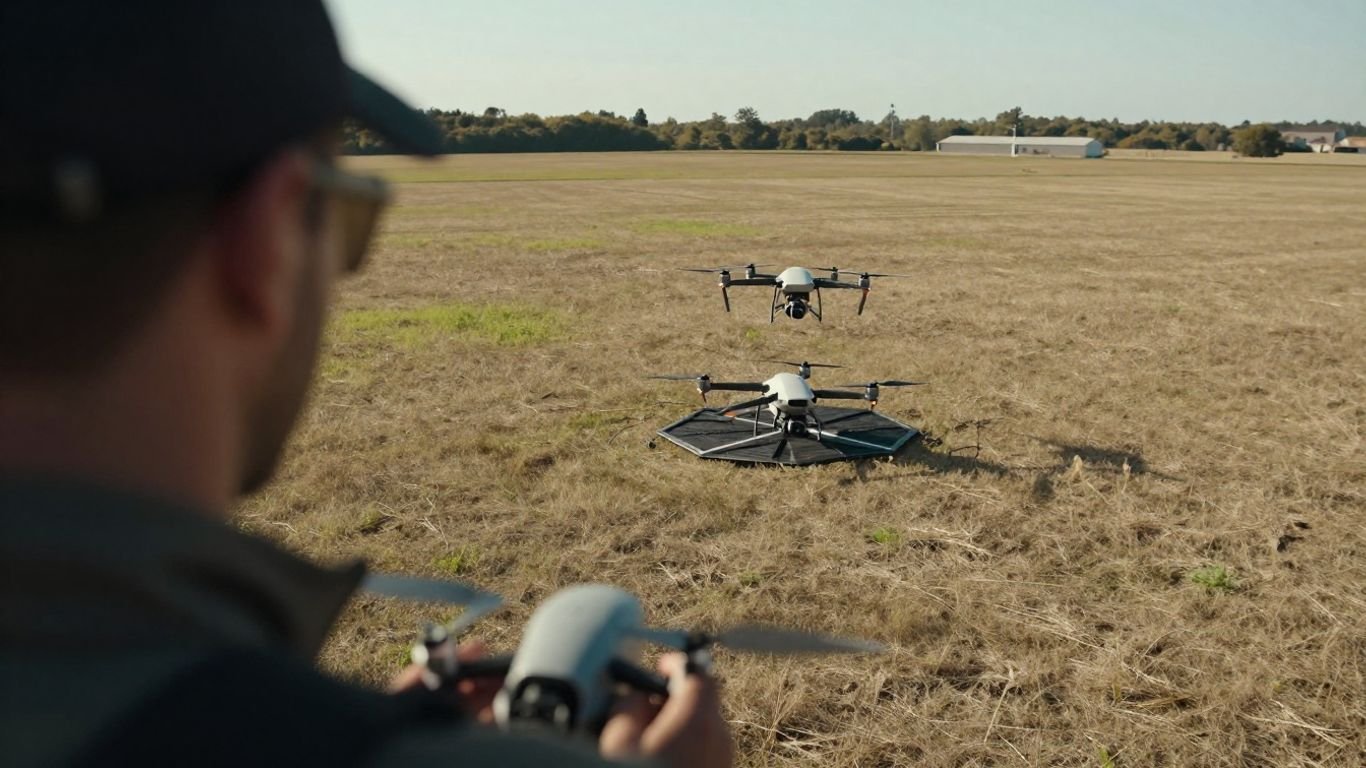
Oops! Drone Down? Your Quick Checklist

Key Takeaways
Knowing how to respond to an aerial emergency is essential for every pilot, regardless of experience level. Follow these key points to manage the aftermath of an unexpected landing:
- Prioritize human safety and secure the crash area before inspecting hardware.
- Document the entire scene and all visible damage to support potential insurance claims.
- Use a systematic approach to check motors, batteries, and sensors for hidden internal faults.
- Maintain proper records of flight logs and telemetry data for both legal and troubleshooting purposes.
- Evaluate the feasibility of self-repair against the risk of voiding your manufacturer warranty.
Immediate post-crash safety actions
When your aircraft goes down, the initial moments are critical for both legal and physical safety. Your primary task is to assess the environment to prevent further harm to people or property. This drone crash checklist starts by maintaining a calm mindset while you navigate the immediate aftermath of an unexpected event.
Securing the crash location
Start by ensuring that the area immediately surrounding the aircraft is safe for you and anyone nearby. Even if your drone has stopped moving, unexpected energy discharges or structural hazards might still be present. As outlined in the Drone Flight Emergency Response Checklist, isolating the site prevents further chaos and keeps bystanders away from any potentially damaged equipment.
Checking for bystander injuries
Before you even look at the drone, perform a quick scan of the surroundings to confirm no one was harmed during the descent. If an injury has occurred, providing aid takes precedence over all other tasks. Being prepared to handle these situations is a core part of the steps after a drone crash that every responsible operator should internalize.
Powering down the aircraft safely
Once the area is clear, carefully approach the unit to cut the power. You generally want to remove the battery if the chassis is not crushed or smoking to stop any continued power flow to the system. This step is vital because it protects the remaining electronics from short circuits and reduces the risk of thermal runaway, a common concern in drone battery safety monitoring.
Documenting the state of the scene
Take photographs or videos of the position of the wreckage before moving anything. You should capture wide shots that show the landing environment, as this helps when conducting a formal drone accident investigation guide for any insurance claims or manufacturer assessment. Keeping a record of the environment provides clarity during the post-crash review process.
Assessing physical damage to your drone
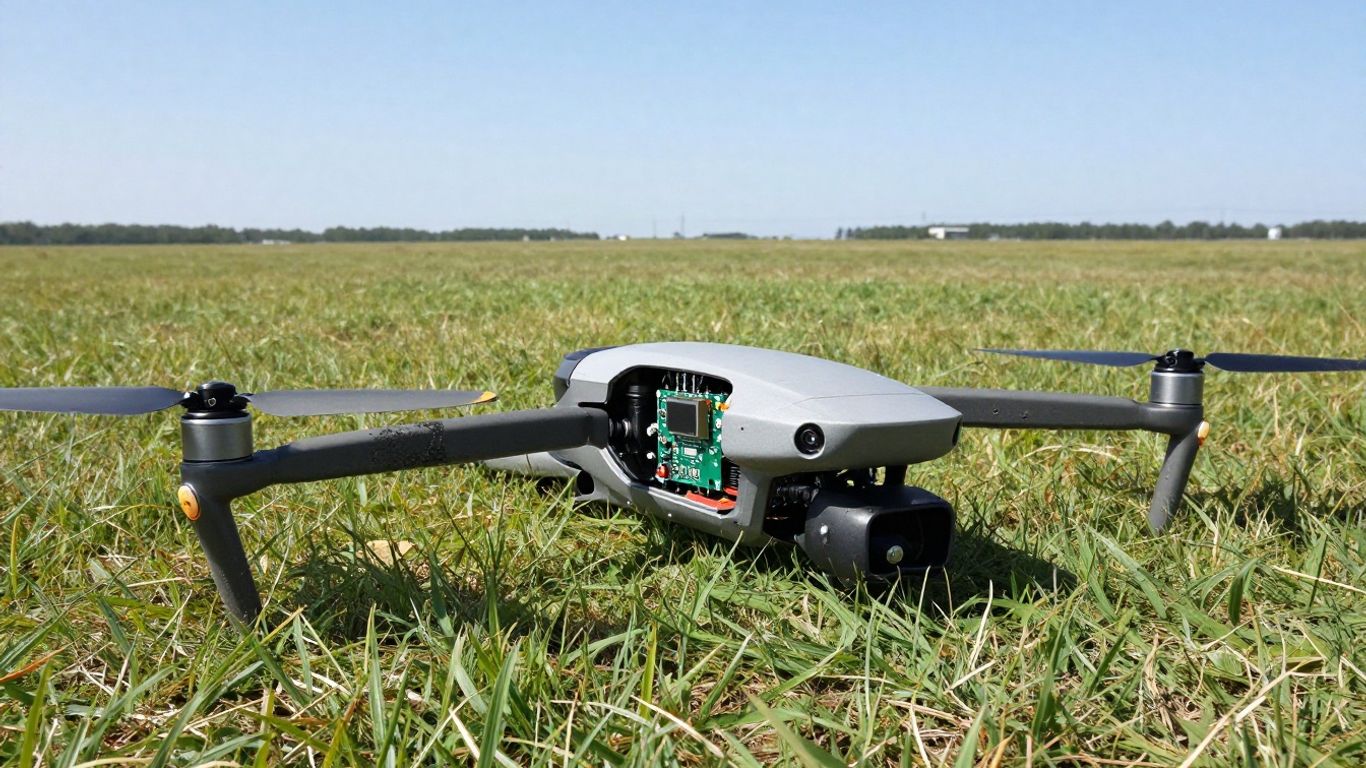
Inspecting the airframe and landing gear
The airframe is the first line of defense for the internal electronics, so look for fractures or loose mounting points. If you are flying a high-performance model like the Wispr Ranger Pro, check the integrity of the carbon fiber or synthetic housing. Pay attention to the following damage types:
| Component | Common Issue | Action Required |
|---|---|---|
| Landing Gear | Frayed plastic or broken snap | Replace structural pins |
| Airframe | Stress cracks or misaligned shell | Inspect for internal damage |
| Propellers | Nicks or bent tips | Discard and install new |
Testing gimbal and camera functionality
After clearing the structural check, examine the camera and gimbal system. These components are extremely delicate, and even a minor vibration during impact can lead to calibration errors or motor failure. Small disruptions in the gimbal’s movement are a strong indicator of internal sensor misalignment that may not be visible to the naked eye.
Evaluating battery integrity and external connectors
Inspect the casing of the LiPo or Li-ion batteries for puncture marks or swelling. Even if the battery appears intact, deep discharges from a crash can lead to internal cell damage that only manifests during future flights. Referencing 10 ways to prevent drone crashes will help you understand that modern flight controllers often log voltage drops associated with physical shocks.
Detecting potential motor or propeller issues
Spin each motor by hand to ensure they turn smoothly without grit or resistance. If one feels stiff, there may be internal bearing damage requiring professional attention. Never attempt to straighten bent propellers; always swap them for factory-original alternatives to maintain flight stability.
Recovering and reviewing flight data
Modern aircraft record massive amounts of data during every flight session, which is indispensable for identifying the cause of an incident. Accessing these logs is a key part of the drone crash recovery process and helps prevent similar events when performing a future audit of your operational procedures.
Exporting logs from the controller
Most modern flight platforms store local logs on the controller or the linked mobile application. These files often record user inputs, stick movements, and flight modes that you were in leading up to the final crash. Download these to a secure location where you can review them alongside visual evidence.
Locating telemetry data on the SD card
If the drone survived the impact, the onboard SD card might contain high-resolution telemetry files that provide bit-by-bit data regarding GPS signal, satellite count, and sensor states. These logs act as a black box and are essential for reconstruction as noted in the accident reconstruction documentation checklist.
Analyzing flight paths for error clues

Backing up evidence for insurance or support
Once you have secured your logs, create extra copies on an external hard drive or cloud service. This prevents data loss if your primary device is damaged or if the manufacturer asks for specific audit files.
Reporting requirements and legal compliance
Knowing when to involve federal agencies is a nuanced aspect of the drone incident reporting procedure. While minor accidents are often internal matters, serious events involving life, limb, or severe damage have specific federal guidelines attached to them.
Determining if FAA reporting is required
Review current regulations to check if your incident meets the threshold for mandatory reporting. Often, this depends on whether you are operating under recreational rules or commercial part 107 certifications. Utilizing Blue UAS approved equipment often makes it easier to track these compliance requirements through authorized digital platforms.
Notifying the NTSB after serious incidents
If your drone crash results in significant injury or destruction of manned aircraft, the NTSB may require immediate notification. This is a rare occurrence for hobbyists but a reality for commercial drone fleets. Refer to official government resources to understand the specific criteria for these high-level reports.
Utilizing voluntary NASA reporting programs
Even if an official report isn’t mandatory, you can contribute to the safety community by submitting a voluntary report to NASA. Think of this as a proactive approach to improving your and others’ safety cultures. These reports provide invaluable anonymous data that helps engineers understand recurring failure points across various models.
Documenting incidents involving property damage
If your drone damages a car, building, or fence, keep a detailed account of the damage. Take high-resolution photos and, if possible, get the contact details of the owner. Transparency here helps resolve disputes quickly and keeps your standing with insurance providers strong.
Deciding between DIY repair and professional service
When faced with damage, your reaction might be to grab a screwdriver, but this isn’t always the right move. The complexities of modern electronics mean that DIY fixes can sometimes lead to more harm than good.
Identifying repairs suitable for home kits
Simple tasks like replacing propellers, landing gear, or certain bolt-on accessories are usually fine for an experienced pilot. Follow the manufacturer’s documentation to ensure you have the right torque settings and parts for the repair.
Recognizing when professional expertise is needed
If the damage involves internal electronics, gimbal controllers, or soldering to the flight computer, it is time to seek outside help. As part of a BAT.TAXI focused operational strategy, professional maintenance ensures your business stays resilient and avoids the downtime associated with faulty home-made fixes.
Sourcing quality replacement parts
Always use original parts supplied by the manufacturer to ensure total compatibility. Third-party components often lack the strict quality control standards found in original inventory, which can lead to vibration or electronic signaling issues during mid-flight.
Avoiding the voiding of manufacturer warranties
Opening the core shell of your drone often breaks the factory seal and voids your warranty. Always check your warranty card or the manufacturer’s support portal before you attempt any internal repairs to ensure you don’t inadvertently lose your coverage.
Navigating insurance and manufacturer warranties
Dealing with the financial side of a crash requires patience and organized record-keeping. You need to present a clear picture of what happened to ensure you receive the support you are entitled to.
Understanding coverage limits on accidental damage
Many standard drone policies don’t cover "pilot error" unless you have added specific accidental damage coverage. Review your policy documents to see what scenarios (such as fly-aways or collisions) are explicitly included before you reach out to your provider.
Initiating a repair claim with the manufacturer
Most modern drone makers have an online portal that streamlines the claims process. You will typically need to provide your serial number, proof of purchase, and a description of the flight conditions under which the crash occurred.
Collecting necessary evidence for adjusters
Your evidence package should include your processed flight logs, video clips showing the final moments of flight, and photos of the damage. The more granular the data you provide to the adjuster, the faster they can determine the outcome of your claim.
communicating clearly with insurance providers
Be professional and honest when describing the event to your insurer. Do not guess what happened; stick to the facts recorded in your telemetry data. This minimizes processing time and helps clarify the nature of the covered incident effectively.
Conclusion
Ultimately, a drone crash is never a pleasant experience, but it serves as a valuable learning opportunity to refine your safety procedures and technical knowledge. By maintaining clear records, respecting legal reporting guidelines, and choosing between professional maintenance and DIY repairs wisely, you can ensure that your aircraft remains a reliable tool for your future endeavors. Always prioritize the well-being of the public, lean on verified data for fault analysis, and keep your equipment in peak condition to minimize the chances of a repeat incident.
Frequently Asked Questions
Is it safe to try to fly again immediately if the drone seems okay after a minor impact?
It is strongly advised against. Even if the drone looks fine externally, hair-line cracks in propellers or internal sensor drift can cause an unexpected failure during your next mission, risking a more serious accident.
Where can I find a record of my state’s mandatory drone accident reporting laws?
Check the official aviation department resources available through your state’s government website or the federal drone registry portal. These sites usually list specific triggers such as injury thresholds or property damage costs that mandate a report.
Should I attempt to repair a broken arm on the drone frame myself?
Frame repairs often require structural integrity testing that is difficult to perform at home. Unless the manufacturer provides specific modular repair guides for the arm assembly, it is safer to send the unit for professional repair to ensure the structural strength is properly restored.
Does the insurance company need access to the drone’s internal SD card?
They may request the raw flight data from an SD card or the controller log to verify the cause of the accident. Providing this data is standard practice if you are seeking a claim for hardware replacement or repair.
Are all types of drone damage covered under the standard manufacturer warranty?
Factory warranties usually cover manufacturing defects such as software bugs or electronic failures, not accidental damage. Unless you have purchased extended care packages or collision insurance, you will likely be responsible for the cost of repairs from an impact.
How long should I keep copies of my flight telemetry and accident logs?
Keep all flight-related logs for at least one year. These documents can be crucial not only for insurance claims but also if there are subsequent investigations into the flight path or aircraft behavior at the time of the event.
Can I use the drone for parts or a secondary test build after a severe crash?
While reusing parts is possible for non-critical repairs, it is risky for primary systems like the propulsion, flight controller, or battery. Using damaged components in a new build can lead to unpredictable behavior and should be avoided to prioritize the safety of your final flight platform.