A comprehensive guide to Astro/Max Freefly Systems for commercial operations

Key Takeaways
Operating the Astro/Max Freefly Systems requires understanding its industrial-grade capabilities, rigorous compliance standards, and modular integration potential. This guide covers these essential areas to help operators maximize their fleet performance and longevity through structured maintenance and software proficiency.
- Standardizing pre-flight checklists ensures consistent safety and hardware reliability across diverse operational environments.
- Mastering the modular payload system allows for rapid transitions between mapping, thermal inspection, and LiDAR data collection.
- NDAA compliance and Blue sUAS status remain critical factors for enterprise and government-sector procurement requirements.
- Effective battery management and periodic firmware updates are essential for maintaining flight performance and mission success.
- Utilizing specialized training and mission planning tools enhances operational efficiency during complex industrial site inspections.
Understanding the core architecture of Astro/Max Freefly Systems
The fundamental design of these aircraft prioritizes performance in high-pressure industrial environments, drawing from years of experience in sophisticated imaging production. Its architecture allows for rapid deployment in varied landscapes, serving as a adaptable tool for professionals who demand results that consistently meet high performance standards.
Airframe design and structural durability
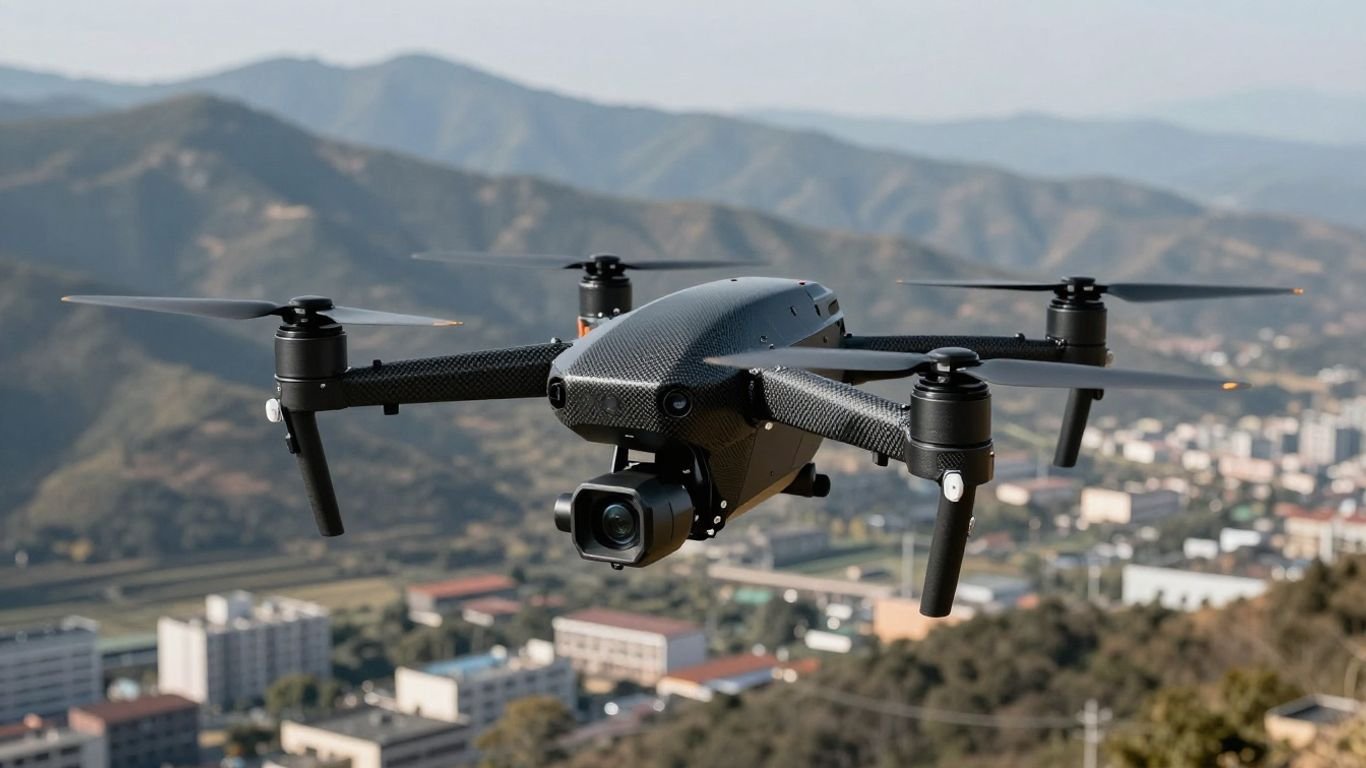
The Astro Max features a robust chassis engineered to withstand the rigors of frequent industrial use. By utilizing folding booms that reduce the overall footprint by half, the system remains portable without sacrificing the strength of its structural foundation. This blend of structural integrity and mobility ensures that the platform is ready for rapid transport between job sites without needing specialized handling equipment.
Consistent structural vigilance ensures maximum equipment life and operational reliability when navigating complex site requirements.
Flight time and battery performance metrics
Efficiency is driven by the integration of high-cycle battery systems designed specifically for this flight platform. Operators can achieve varied flight durations depending on the hardware payload, with the system capable of extended airtime when optimized. Managing these power requirements effectively is essential for ensuring that every mission concludes with a safe landing, particularly when dealing with heavy sensor suites or high-altitude operations.
Propulsion system and propeller reliability
Propulsion reliability is centered on high-efficiency propeller designs that reduce energy consumption while maintaining lifting force. These components are precision-engineered to operate in harmony with the aircraft’s flight controller, providing stable control even in turbulent gusts. Maintenance of these systems requires strict adherence to manufacturer guidelines, especially concerning the selection of proper blade types for the intended flight profile.
Navigating NDAA compliance and security standards
For many organizations, the ability to deploy drone technology depends heavily on meeting strict regulatory and cybersecurity mandates. These requirements influence how equipment is procured and integrated into existing workflows to ensure that both physical and digital assets remain protected against unauthorized access and potential interference.
Significance of NDAA compliance for enterprise operations
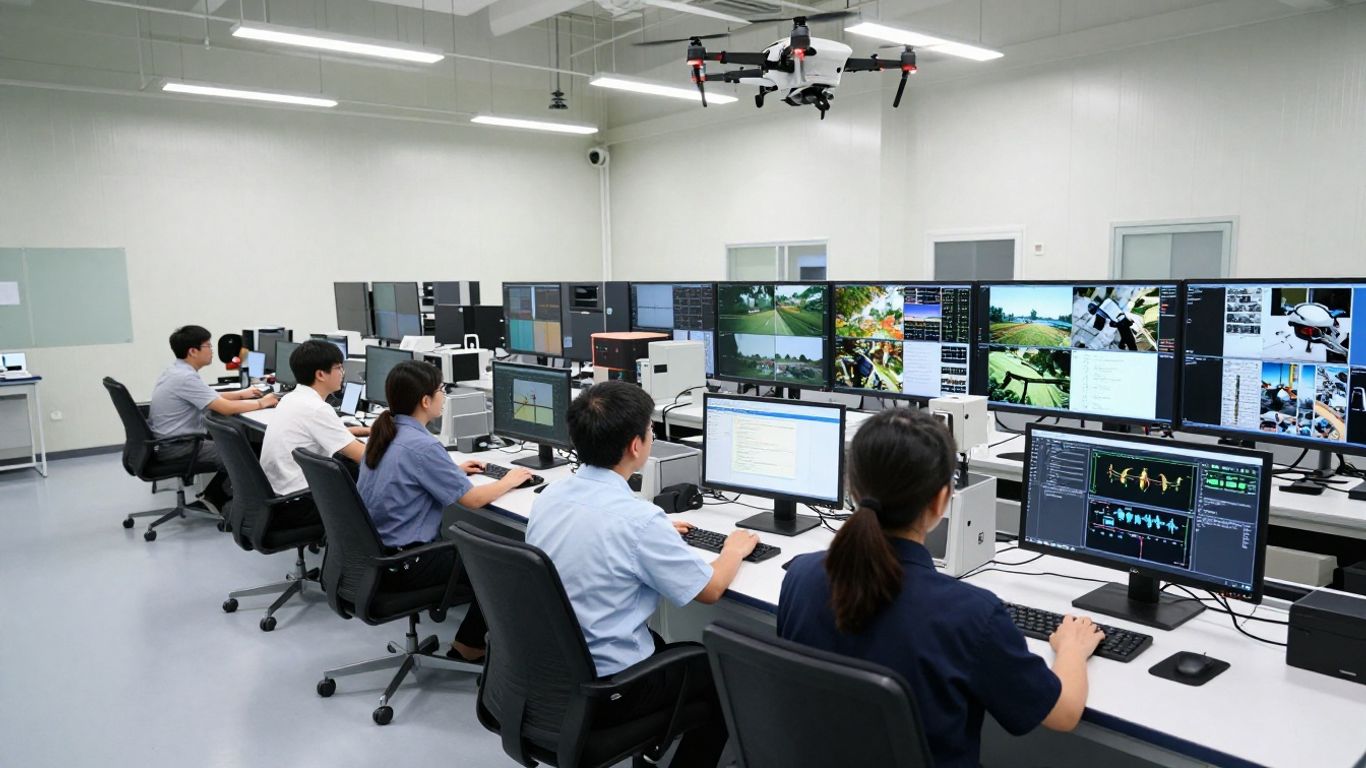
NDAA compliance acts as a fundamental baseline for many enterprise and government organizations looking to integrate aerial solutions. When selecting hardware like the robust Astro Max (NDAA/Blue), operators gain the assurance that their tools meet the necessary standards for sensitive site access. This rigorous evaluation process ensures that supply chains remain transparent and secure, mitigating risks that could otherwise disrupt critical infrastructure monitoring missions.
Data privacy and secure communication protocols
Secure communication remains the pillar of modern data-driven drone operations, particularly when transmitting telemetry or high-resolution imagery. Using encrypted links, such as those provided by the SLM-10 module, helps protect sensitive information from external interception. These protocols form a protective layer that allows teams to perform their work with confidence that the internal communication channels remain resilient against sophisticated external threats.
Blue sUAS designation and its impact on procurement
Achieving Blue sUAS designation signals that a platform has undergone stringent vetting, which is a major factor in government-sector purchasing cycles. This classification process provides a level of legitimacy that simplifies the acquisition process for agencies seeking to deploy Freefly Astro hardware safely. By aligning with these recognized standards, organizations avoid the administrative hurdles associated with less verified technologies, ensuring that their tools are both effective and fully vetted for sensitive missions.
Payload integration and sensor compatibility
The flexibility to swap hardware quickly is vital for multi-use industrial missions, and the interface design here puts that adaptability at the forefront of the user experience. By creating an open ecosystem, the developers allow for a wide range of specialized attachments that can address specific data collection needs during inspections or research tasks.
Gimbal mechanics and camera attachment options
Gimbal systems provide the stability required to capture high-definition, usable imagery in challenging environments. The ability to switch between high-resolution mapping cameras and secondary sensors ensures that the system can adapt to evolving requirements in seconds. This speed of transition is a critical advantage for field operators who must cover different tasks within a single deployment window.
Mounting specialized sensors for industrial inspection
Professional inspections often require integrating advanced sensor packs like the Easy Aerial Osprey logic for specialized data collection. The mounting system allows for secure attachment without complex wiring or difficult recalibrations, making it easy to accommodate everything from gas detection sensors to high-zoom optical imagers for bridge or line inspection. This modular approach ensures that the drone is never limited to a single function, allowing it to grow alongside the needs of the organization.
Integrating custom third-party payloads for research
Research operations often demand unique hardware, and the open-bus architecture simplifies the integration of specialized equipment. The following table highlights common payload categories used for advanced research and assessment tasks.
| Payload Type | Primary Function | Integration Complexity |
|---|---|---|
| LiDAR Arrays | Spatial 3D Mapping | Moderate |
| Thermal Sensors | Heat Signature Detection | Low |
| Multispectral | Environmental Analysis | Moderate |
By ensuring compatibility with diverse hardware, the platform serves as a reliable vehicle for innovative data collection projects that go beyond standard commercial inspections.
Maximizing field performance in challenging environments
Operating successfully in remote or difficult areas requires a deep understanding of flight dynamics and environmental influences. Success in these landscapes is not just about raw power, but about the intelligent adaptation of software and hardware settings to counteract harsh conditions like high winds and extreme temperatures.
Operating in harsh weather and high-altitude conditions
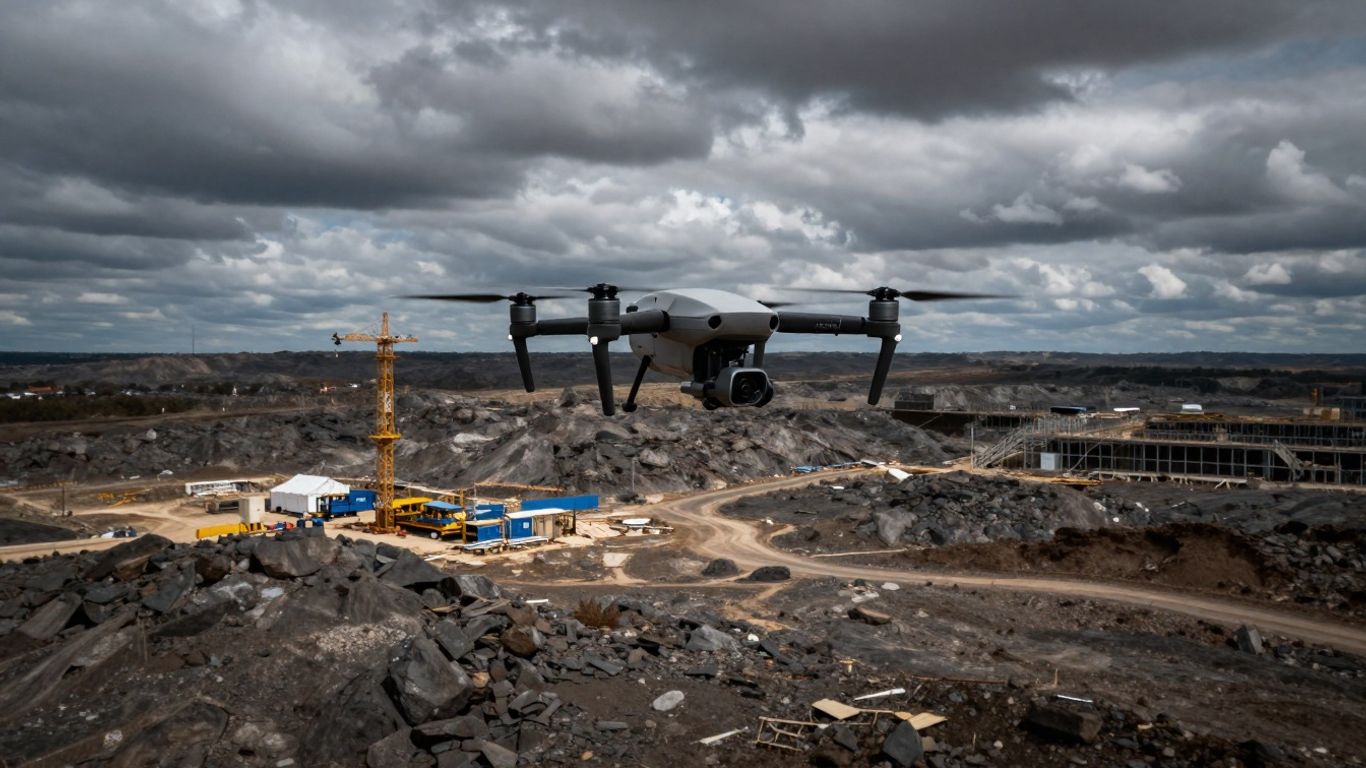
Performance in extreme environments often hinges on the density of the air and the ability of the propulsion systems to maintain hover stability. At high altitudes, props must work harder to displace thinner air, necessitating professional caution during takeoff and landing. Pilots must frequently monitor thermal performance, as harsh weather can impact both flight controller responsiveness and battery output stability.
Leveraging flight controller software for autonomous missions
Autonomy allows operators to execute precise, repeatable flight paths that are essential for high-fidelity data collection like mapping or VXE30 Stalker Edge style reconnaissance. Software-driven mission management minimizes the chance of human error and allows the pilot to focus on analyzing incoming telemetry rather than manual aircraft positioning. This shift from manual pilot input to strategic oversight is fundamental for long-term aerial project scale.
Overcoming signal interference in complex urban landscapes
Urban and complex landscapes present persistent dangers to signal integrity, meaning that maintaining a reliable connection is absolutely essential. Implementing smart antenna placement and prioritizing mission-hardened frequency bands helps to minimize signal drops. For advanced tactical needs, pairing with equipment like the Edge 130 often provides additional insights into managing signal paths in difficult terrain, helping to ensure that the operator maintains control throughout the entire duration of the flight.
Best practices for fleet maintenance and longevity
Long-term reliability is not an accident but the result of disciplined, standardized maintenance cycles. Keeping an aircraft in top condition requires regular checks that address mechanical wear, structural integrity, and electronic health before issues turn into failures.
Implementing a standardized pre-flight inspection checklist
Every mission must begin with a thorough inspection of the airframe, motors, and communication links to ensure everything is functioning correctly. Consistent checklists allow for the early identification of minor issues, like debris in the gimbal or wear on the propeller edges, before they impact the flight.
- Verify all battery connectors are secure and free of debris.
- Inspect propeller blades for cracks or significant structural damage.
- Calibrate compasses in open, interference-free zones before takeoff.
- Confirm mission data transmission settings are active and stable.
By strictly following these steps, operators minimize the risk of technical issues during critical stages of their operation.
Managing lithium-polymer battery health and cycle logs
Battery health directly impacts flight performance, and maintaining a cycle log is a necessary part of fleet management. Batteries should be stored in cool, stable environments and monitored for any signs of swelling or voltage imbalance. Proper care ensures that the cells continue to provide the power required for high-draw missions, ultimately extending the time until replacement is necessary.
Troubleshooting common hardware alerts and telemetry errors
Telemetry systems provide a wealth of data that can warn of potential issues before they become terminal. Understanding what these alerts signify allows pilots to take proactive action, such as returning to land early or adjusting flight parameters, rather than guessing about the health of the hardware. Consistent monitoring of logs helps maintain high uptime for the equipment.
Mastering the Freefly software and training ecosystem
Proficiency with the aircraft is deeply tied to the ability to use the accompanying software suite effectively. This ecosystem serves as the link between the hardware’s capabilities and the user’s objectives, turning raw flight data into actionable outcomes through structured planning and training.
Utilizing mission planning software for precise mapping
Mission planning tools are vital for ensuring accurate coverage when performing large-scale inspections or grid surveys. By defining precise waypoints and overlap parameters in the software, operators can guarantee that the gathered data meets the resolution requirements demanded by their specific mapping projects.
Advanced training modules for commercial drone pilots
Experience builds confidence, and structured learning paths are critical for developing the skills necessary to handle diverse industrial scenarios. Consistent engagement with Ascent AeroSystems Spirit or similar training guidelines helps pilots anticipate situational challenges and apply appropriate emergency procedures without hesitation.
Updating aircraft firmware and software modules safely
Firmware updates provide critical security and performance improvements that are essential for ongoing operation. It is recommended to perform these updates in a laboratory environment where power is stable, and then verify the system functionality with a test flight before deploying to field operations. Safety depends on this orderly approach to managing software versions across a professional fleet.
Conclusion
Reliability and adaptability define the success of any commercial operation involving complex drone technology. By prioritizing deep knowledge of the mechanical architecture, strict adherence to compliance mandates, and disciplined maintenance cycles, operators can effectively leverage these platforms for long-term industrial impact. Understanding the intersection of flight software, payload versatility, and pilot training ensures that every flight is safe, productive, and aligned with enterprise-level expectations for professional performance and technological readiness.
Frequently Asked Questions
What primary factors determine drone flight time?
Flight time is primarily determined by payload weight, current environmental conditions like wind speeds, and the overall capacity of the battery power plant used during the mission.
Is it necessary to have special certifications for industrial flying?
Industrial drone operations usually require a commercial pilot certification from national aviation authorities, plus specialized training that confirms the pilot understands local regulations and safety mandates.
How does environment influence communication links?
Environmental obstructions like large buildings, dense vegetation, or high-density electrical fields often interfere with radio signals, necessitating careful planning for antenna placement and frequency selection.
Are all external payloads compatible with standard platforms?
Payload compatibility depends on the drone’s bus system and physical mounting interface, so users must verify that their chosen sensor suite matches the manufacturer’s specified interface design.
Why should maintenance logs be kept so strictly?
Keeping detailed logs provides a verifiable record of component life and maintenance history, which is essential for ensuring hardware safety and satisfying compliance audits in professional industries.
Does weather significantly impact mission success?
Severe weather, including high winds and heavy precipitation, can destabilize flight performance and damage sensitive electronics, meaning drones are often grounded to preserve hardware integrity during such events.
How can mission planning software improve operations?
Mission planning software automates flight paths and data gathering parameters, allowing for highly accurate, repeatable results while reducing the workload on the pilot during complex site analysis.