
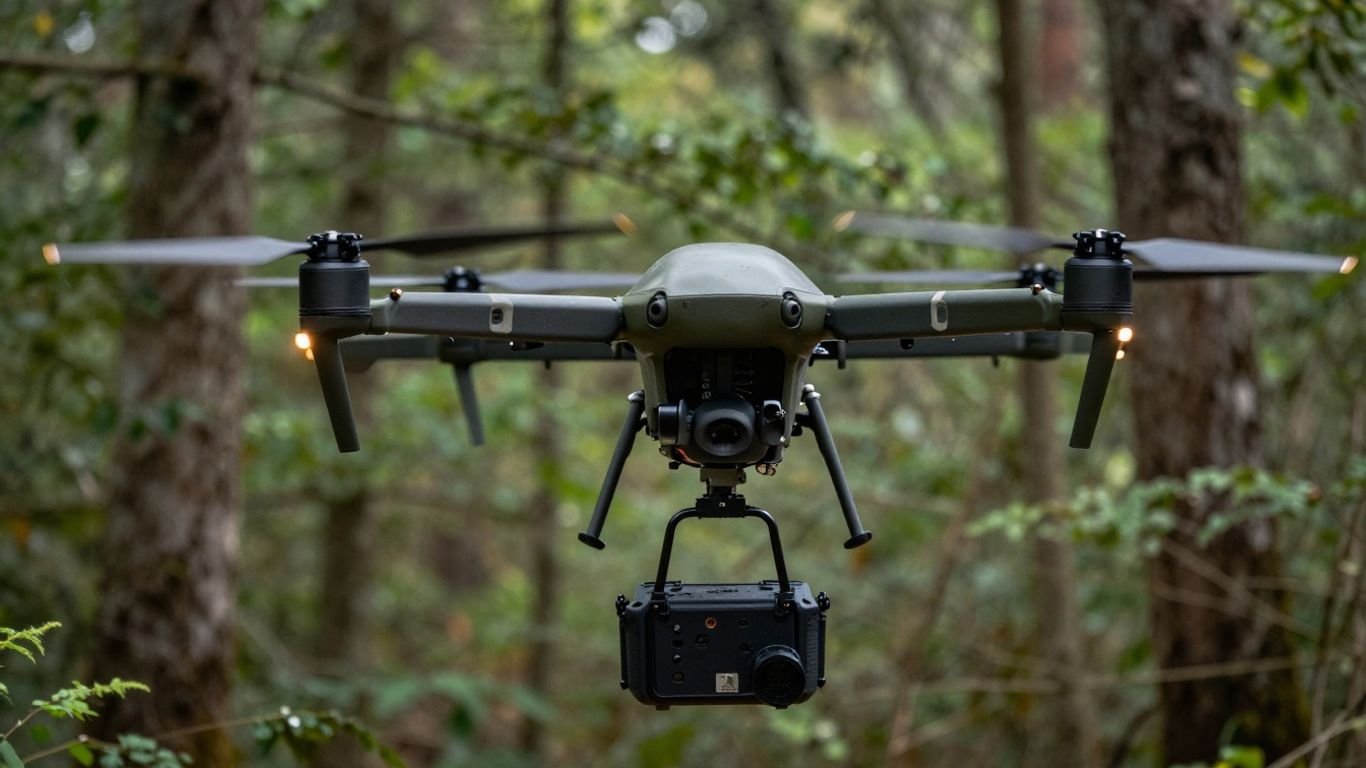
A complete guide to the Parrot ANAFI UKR

Key Takeaways
This guide explores the engineering and operational foundations of the Parrot ANAFI UKR drone. We break down the capabilities designed to support intelligence and reconnaissance missions effectively.
- The drone features a sovereign architecture built for secure data handling.
- Advanced sensor suites allow for high-resolution imaging in diverse environments.
- Tactical deployment is streamlined for rapid setup in mobile operations.
- Cyber resiliency is prioritized through hardware-level encryption and secure links.
- Field endurance varies significantly based on selected hardware and battery configurations.
Understanding the design of the Parrot ANAFI UKR
Overview of the sovereign drone architecture
The ANAFI UKR Parrot represents a shift toward specialized hardware developed for government and defense requirements. By emphasizing a sovereign framework, the developers have ensured that intelligence operations remain protected from unauthorized access or external interference. This architecture is designed to integrate seamlessly into existing command structures while maintaining a high level of independent performance.
Evolution from the commercial ANAFI series
Transitioning from the popular Parrot Anafi lineage, this platform incorporates lessons learned from years of field usage across consumer and industrial sectors. The engineering team focused on modularity to ensure that the drone remains versatile for different mission types. While the original series established a baseline for portability, this new iteration elevates those features to meet stringent standard operating procedures.
Development goals for intelligence and reconnaissance missions
The primary focus during development was delivering advanced surveillance capabilities for mission-critical environments. By prioritizing stability and stealth, the platform ensures that operators can gather data without compromising their own physical or digital position. This refined focus highlights a commitment to providing reliable tools that function predictably under pressure.
Technical specifications and sensor performance
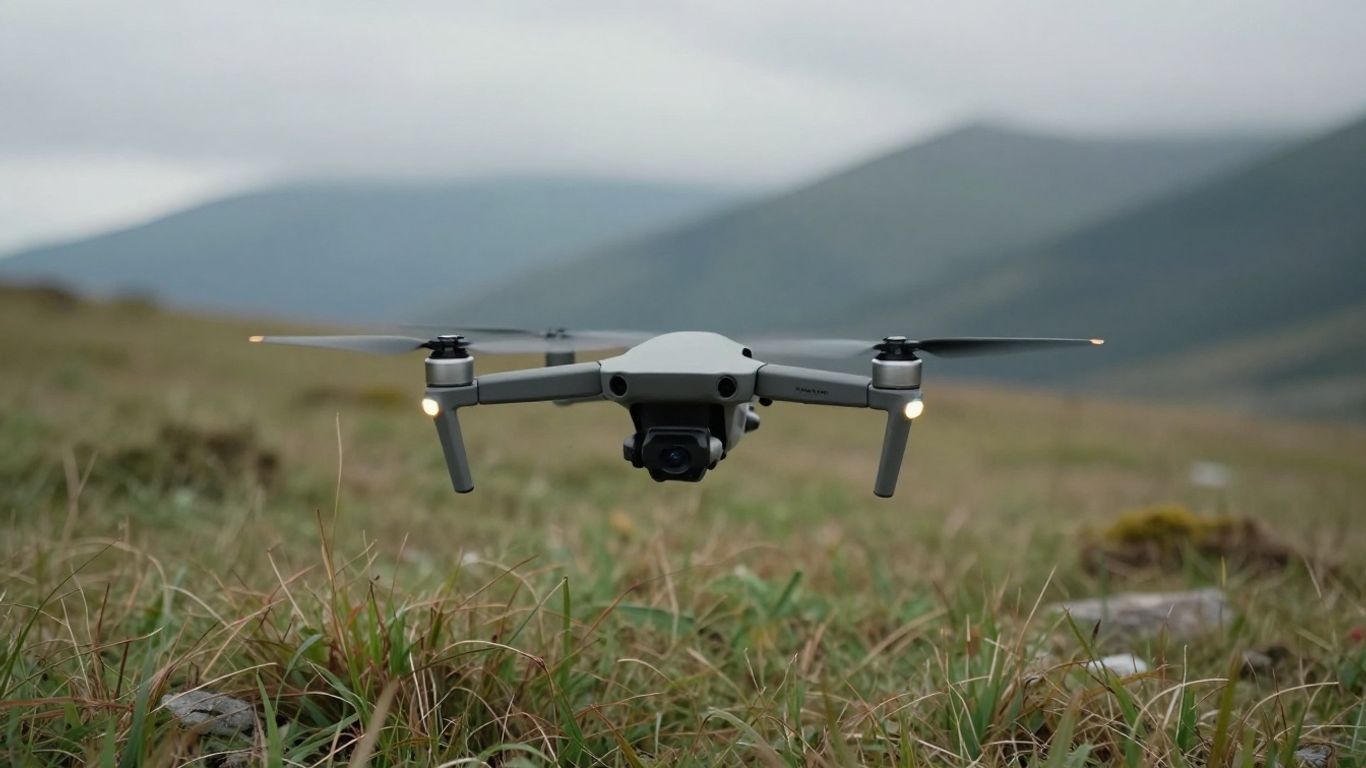
High-resolution imaging and optics capabilities
The ANAFI UKR system utilizes high-fidelity sensors to produce detailed imagery, allowing for precise identification and analysis from varying altitudes. Whether identifying terrain features or monitoring specific assets, the optics provide the clarity needed for accurate decision-making by command teams. These imaging systems are designed to minimize distortion while maximizing captured data.
Zoom functionality and stabilization precision
Equipped with advanced optical and digital zoom, the drone can maintain a safe distance from objects of interest. The gimbal stabilization ensures that regardless of flight maneuvers, the feed remains steady and usable for analytical purposes. This creates a reliable visual link between the field and the operator, preventing the loss of detail often seen in less stable platforms.
Performance in low-light and adverse weather conditions
Operating in challenging light conditions is made possible through sensitive sensor arrays that maintain visibility even when ambient light is minimal. The hardware is also resilient against environmental factors, such as wind or dust, as detailed in the ANAFI UKR GOV performance logs. This ensures that missions are not halted by common weather fluctuations.
Cyber resiliency and data security protocols
Hardware-level encryption for mission data
Data security is foundational to the platform, with all collected imagery and logs undergoing AES-XTS encryption. This ensures that intercepted data remains unusable to third parties, preserving the integrity of sensitive intelligence. Protecting information at the hardware level prevents vulnerabilities that often arise in software-only security architectures.
Secure communication links and frequency hopping
The drone maintains connectivity through dedicated, encrypted communication channels. Adaptive frequency hopping minimizes the risk of signal jamming or interception, allowing for consistent operation in contested environments. This reliability is vital for keeping an open and secure channel throughout high-stakes assignments.
Compliance with defense-grade security standards
Adhering to strict cyber-security benchmarks is a core element of the device’s operational philosophy. Regular review cycles ensure the ANAFI UKR meets the needs of modern government deployments, focusing on mitigating risk and ensuring data sovereignty. This dedication provides peace of mind for operators managing highly sensitive information.
Tactical deployment in field operations
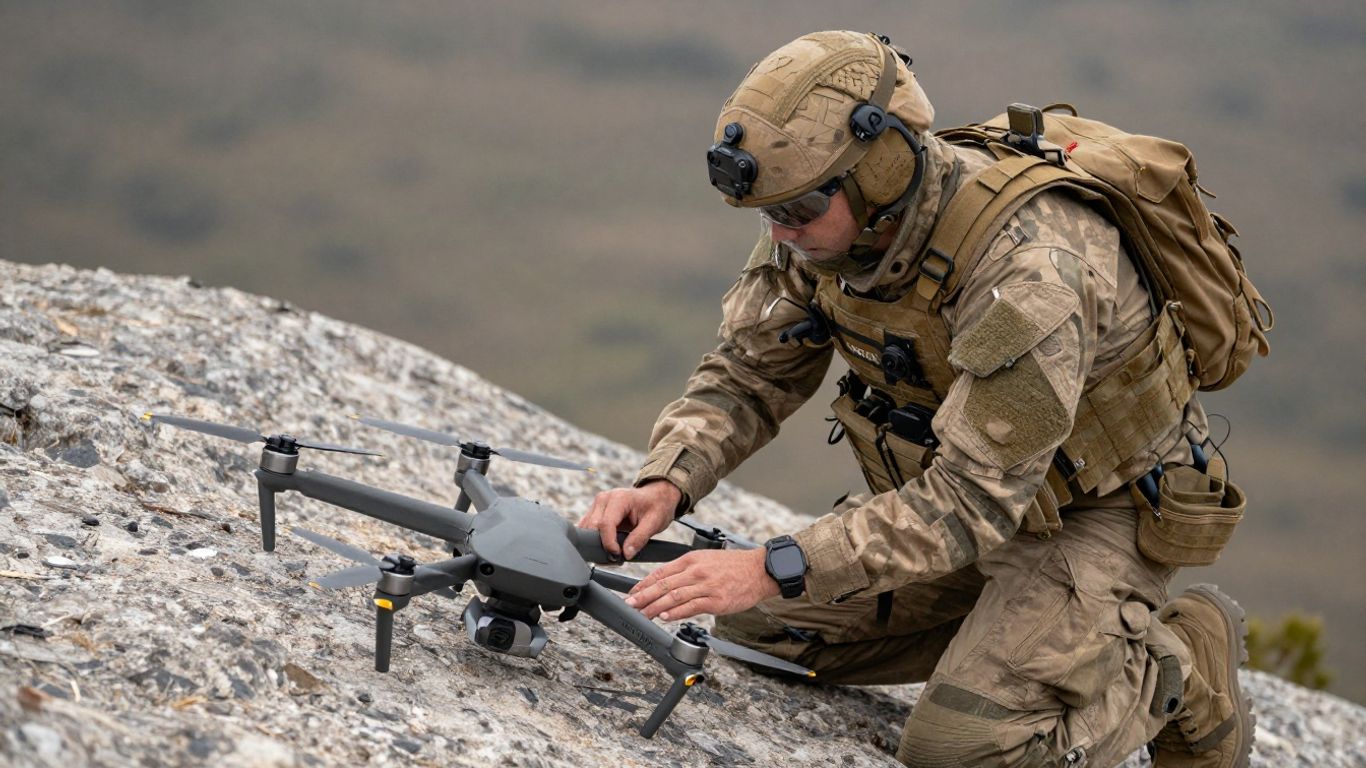
Methods for rapid setup and deployment
Field speed is often the deciding factor in mission success. The design of the ANAFI UKR Parrot enables a sub-two-minute setup time, getting units into the air immediately as the situation requires. Operators find the following steps essential for efficiency:
- Unfold the rotors to the locked position
- Insert the pre-charged flight battery
- Establish encrypted link with the control station
- Run automated pre-flight system diagnostics
Integration with existing command and control infrastructure
Compatibility with standard data links allows this drone to function as a unified part of a broader intelligence network. It provides real-time data streams that feed directly into established management software, enabling command teams to visualize mission progress. This level of synchronization is achieved without requiring significant overhauls to existing logistics.
Portability for light infantry and mobile units
The form factor is optimized for ease of transport, allowing soldiers to carry the unit within a standard backpack. This low physical profile means that teams do not need special support vehicles to introduce aerial reconnaissance into their operations. The lightness of the airframe, when compared to hexacopter platforms, allows for greater flexibility during dismounted patrols where Every gram counts towards fatigue levels.
Battery management and field logistics
Endurance metrics and flight time considerations
Flight time is a critical operational variable that changes based on the configured hardware and specific mission requirements. The table below outlines how different configurations influence flight windows.
| Battery Type | Flight Duration | Range Capacity |
|---|---|---|
| Standard | 38 Minutes | 23 km |
| XLR Smart | 70 Minutes | 40 km |
| Performance | 30 Minutes | 15 km |
Strategies for rapid field charging and battery swapping
Efficient battery logistics involve carrying multiple units to swap out during downtime, ensuring the drone can return to the air without waiting for full recharge cycles. By maintaining a clean rotation, field teams extend their mission window significantly. This logistics strategy is essential for projects requiring consistent data gathering over longer durations.
Maintaining optimal longevity in harsh environments
Protecting individual batteries from extreme temperature shifts and physical damage ensures they retain their capacity over time. Best practices include storing unspent batteries in climate-controlled transport cases while in the field. This keeps the internal lithium-polymer chemistry stable despite external environmental volatility.
Maintenance and lifecycle management
Best practices for routine hardware inspections
Regular inspections are crucial to catch wear on rotors or joints before they cause issues mid-flight. Following a strict maintenance checklist prevents the most common mechanical failures during deployment. A quick sweep, such as checking for debris on sensor glass or tension in the folding arms, goes long way in extending the lifespan of the aircraft.
Troubleshooting common field-related performance issues
When anomalies occur, having a systematic approach for diagnostics helps clear issues quickly. Often, performing a firmware reset or clearing cached data on the controller resolves most communication stutters. If a link feels unstable, checking for external frequency interference in the surrounding area is a standard first step.
Procedures for firmware updates and software security patches
Updates are delivered to address emerging threats and improve system stability. Keeping the software stack current is a necessary operational discipline for ensuring security compliance. The drone, like other advanced AI-powered assets, relies on these updates to maintain its baseline of effectiveness against evolving security challenges.
Conclusion
The ANAFI UKR Parrot serves as a specialized tool for those requiring secure, reliable, and high-performance reconnaissance in diverse operational theaters. By focusing on sovereign design, hardened cybersecurity, and practical deployment, the platform meets the demands of contemporary government and public safety missions. Investing in a robust workflow—from battery management to systematic maintenance—ensures that these aerial resources remain mission-ready when the stakes are highest, much like navigating a complex real estate investment or ensuring high-quality professional carpet installation. Users interested in tailoring their advertising strategy for such professional equipment should remember that compliance with local cookie policies and data privacy standards remains paramount throughout their journey.
Frequently Asked Questions
What makes a drone suitable for reconnaissance?
Reliability, sensor resolution, and secure data transmission are the primary factors that determine suitability for these specialized tasks. A platform must be able to operate in silence while providing clear, usable imagery under a variety of lighting and weather conditions.
How does environment affect flight performance?
Wind speed, temperature, and altitude all impact battery life and maneuverability. Operators must adjust their flight plans based on these variables to maintain stability and ensure the drone returns to the landing point within its operational limits.
Why is data security so important for field drones?
Collected flight data often includes sensitive imagery or reconnaissance details that could be compromised if intercepted. Using robust encryption ensures that only authorized personnel can access or decode the information gathered during flight.
Do I need to be a pilot to operate this drone?
While advanced systems automate much of the flight logic, proficiency in basic flight control and emergency protocols is required for mission safety. Professional-grade equipment typically requires specialized training to manage complex tasks effectively.
How do I maintain optimal battery health?
Keeping batteries within recommended temperature ranges and discharging them only to permitted levels helps preserve their cycle life. Storing them in a cool, dry environment when not in operation also prevents degradation of the internal cells.
Can drones fly in bad weather?
Advanced models are designed with water and dust resistance, allowing them to function in light rain or wind. However, flight should typically be avoided in severe storms, hail, or high winds that exceed the manufacturer’s specified limitations.
What is the advantage of folding drone designs?
Folding components significantly reduce the physical footprint of the unit, allowing for easier movement through tough terrain. This design ensures that personnel are not encumbered by bulky transport cases, facilitating greater agility for mobile teams.